Tag: dance

  • The Geometry of Gesture: Dance and the Power of Line

    The Geometry of Gesture: Dance and the Power of Line

    Dance, as an ancient and expressive form of communication, transcends the spoken word by utilizing the body’s movement through space. At the heart of this kinetic language is geometry—the shapes, lines, and angles formed by dancers as they express complex emotions and narratives through rhythm and dynamism. This article explores the profound impact of geometrical elements in dance, focusing on how lines and shapes are employed to convey meaning and evoke emotion.

    The Intersection of Art and Mathematics

    The convergence of dance and geometry is not a new phenomenon. Historical records depict dance as an integral aspect of cultural rituals, often emphasizing symmetrical formations and choreographed precision. This union of art and mathematics finds roots in the Greek concept of symmetria, which denotes harmony and proportion, and is exemplified through the symmetrical movements in Greek choruses.

    Plato, the great philosopher, once said, “Dance, like music, is a form of art that speaks of harmony among the physical, mental, and emotional realms.” His sentiments underline the importance of balance and proportion, both key elements in geometry, which are echoed in dance movements. The geometric design in dance not only enhances aesthetic appeal but also facilitates the conveyance of a deeper message without uttering a word.

    Understanding the Power of Line

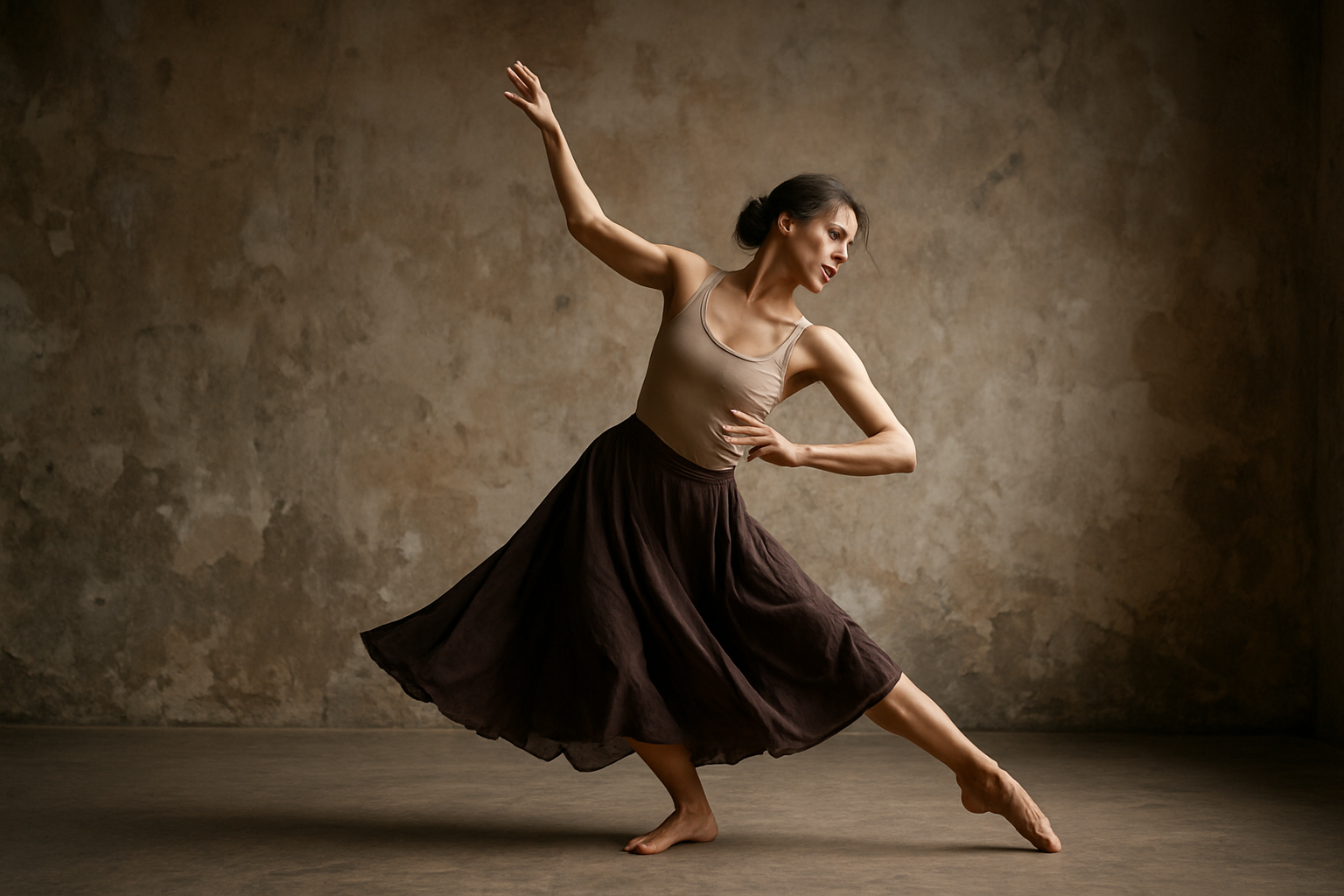
    Lines serve as the most fundamental elements in any visual medium, and dance is no exception. Dancers use lines to create form and structure, guiding the viewer’s eye and shaping the narrative. The lines in dance are not just physical trails left by movements but psychological paths that influence the audience’s perception and emotional response.

    “A line is a dot that went for a walk,” said Paul Klee, a Swiss artist, summing up the essence of lines in art forms. In dance, this principle applies as movements begin from a singular point and expand outward, sketching complex figures in the air.

    • Vertical Lines: Often associated with strength and magnificence, vertical lines are used to signify authority, pride, and an aspirational reach. Dancers using vertical lines can convey the feeling of elevation or resistance against gravity, similar to the towering stance in ballet.
    • Horizontal Lines: These lines suggest calmness, rest, and stability. In dance, horizontal movements often symbolize openness and expansiveness, and are typically seen in sequences that aim to mimic the earth’s flat plane.
    • Diagonal Lines: Representing motion and instability, diagonal lines introduce a dynamic flair to a performance. They illustrate actions such as opposition and conflict, giving energy and tension to the composition.

    Choreographic Applications of Geometry

    Choreographers have long utilized geometric principles to invent new dance forms and narratives. The deliberate arrangement of dancers in predetermined paths constructs a shared experience with the audience, akin to watching a visual artwork unfold in a three-dimensional space.

    • Symmetry and Asymmetry: While symmetry provides a classical sense of balance, asymmetry introduces an unexpected twist to compositions, creating engaging and thought-provoking dance narratives. Symmetrical formations provide a collective harmony amongst dancers, while asymmetrical placements invite individual expression and surprise.
    • Patterns and Repetition: Repetitive structures in dance are drawn directly from geometric principles. They establish a rhythm that mirrors the natural and mathematical world, such as the spiral of a seashell or the symmetry of a snowflake. Repetitive movements create a hypnotic allure, guiding audiences into a state of trance.
    • Pathways and Angles: The use of pathways and angles choreographically can evoke different responses. Curvilinear pathways tend to be gentle and flowing, while angular movements can create stark, impactful impressions that contrast strikingly with smoother lines.

    Symbolism and Cultural Implications

    Diverse cultural dances often integrate geometric concepts to convey stories or uphold traditions. For example, Native American dances frequently incorporate circular formations to symbolize unity and the cyclical nature of life. Similarly, Indian classical dances use intricate hand and foot placements, known as mudras, that create unique shapes, representing various deities, actions, and emotions.

    According to the renowned choreographer Merce Cunningham, “Dance gives dramatic life to geometric forms, making it an ever-changing art.” This quote highlights how geometry imbues dance with endless possibilities for expression across different cultures.

    Modern Interpretations and Innovations

    Contemporary dancers and choreographers are constantly pushing geometric principles to explore new expressions. Technology plays a substantial role in these innovations, with dance companies increasingly using 3D projections, drones, and virtual reality to construct immersive geometrical landscapes.

    For instance, digital artist and choreographer Alexander Whitley combines cutting-edge technology with dance to create stunning visual experiences. In his work “8 Minutes,” dancers navigate a stage where digital projections create an ever-changing geometric environment, blurring the boundary between human and machine interaction.

    Conclusion

    The interplay between dance and geometry offers audiences not only beauty but a deeper insight into how art and mathematics coexist and influence human emotion. Dance fundamentally relies on geometric principles—lines, shapes, and pathways—to articulate a narrative that words alone cannot express.

    As the world of dance continues to evolve, the marriage of traditional and contemporary interpretations of geometry in choreography promises to create endlessly fascinating canvases of movement and form, inviting future generations to explore the space beyond conventional thinking.

    The geometry of gesture will remain a powerful tool in dance, enabling performers to communicate, inspire, and challenge viewers to perceive the world through the eloquent language of movement. As Martha Graham once said, “Dance is the hidden language of the soul,” an assertion made vivid by the geometric frameworks that help translate that language into palpable art.

  • Movement as Message: Decoding the Language of Modern Choreography

    Movement as Message: Decoding the Language of Modern Choreography

    In the realm of dance, choreography stands as the definitive expression of human emotion and storytelling. Modern choreography, in particular, pushes these boundaries, blending traditional techniques with pioneering ideas. This fusion results in a unique language where the body speaks as vividly as any written text. But how do dancers and choreographers convey messages through movement, and why is it essential to understand this “language”?

    The Evolution of Modern Choreography

    Modern choreography, a discipline that emerged in the early 20th century, was a rebellion against the constraints of classical ballet. While ballet adheres to strict positions and movements, modern dance embraced freedom and expression. Pioneers such as Martha Graham, considered the ‘mother of modern dance’, introduced techniques that involved the use of gravity, breath, and the core to portray raw emotion.

    “Dance is the hidden language of the soul,”

    Graham famously said, emphasizing how dance transcends mere physicality.

    The evolution of this art form did not stop with Graham. As time progressed, choreographers like Alvin Ailey, Twyla Tharp, and Merce Cunningham introduced diverse styles and techniques. Each choreographer contributed to transforming modern dance into a versatile language, capable of interpreting a wide array of themes—be it personal, political, or social.

    Choreography as a Language

    Understanding choreography as a language involves recognizing its components. Just like sentences in a spoken language, choreography comprises phrases—determined sequences of movement—that communicate specific meanings. Pina Bausch, a leading figure in dance-theatre, often used repetitive gestures that spectators could read into, forming a lexicon of gestures unique to each production.

    The Core Elements

    • Shape and Space: The utilization of space and the shape of the body within it are crucial for conveying meaning. Is the dancer reaching outward, occupying most of the space, or folding inward, creating a more introspective shape?
    • Dynamics: The energy or force behind a movement can suggest anger, joy, sadness, or tranquility. Sharp, fast movements might convey urgency or violence, whereas slow, flowing motions could suggest calmness or reflection.
    • Timing and Rhythm: The tempo and rhythm at which movements unfold are akin to punctuation in language. A sudden stop in movement can signify a dramatic pause, much like a full stop in a sentence.
    • Gesture: Often derived from everyday movements, gestures in dance can be deeply symbolic. Choreographers like Ailey frequently employed gestures reflective of cultural or historical significance.

    Interpreting Modern Choreography

    Interpreting these choreographic elements relies significantly on both personal and cultural contexts. An audience with knowledge of a choreographer’s history or the socio-political environment may derive a different understanding from those unfamiliar with these aspects. Alvin Ailey’s renowned piece, “Revelations”, draws heavily from African American spirituals and his own experiences in the racially segregated South, offering profound meaning to audiences aware of this background.

    Moreover, the universal nature of movement allows audiences to connect with choreography on a basic human level. Researchers have found that mirror neurons in our brains respond empathetically to the movements we observe, creating an intuitive understanding between dancer and audience.

    The Impact and Relevance of Modern Choreography

    In today’s rapidly changing world, modern choreography remains a powerful medium for expression. Whether tackling personal stories or broader global issues, choreographers use dance to reflect on the human condition. Hofesh Shechter, known for his politically charged performances, uses choreography to comment on contemporary social issues, blending aggressive, dynamic movement with deep social critique.

    The relevance of modern choreography is also evident in its cross-disciplinary influence. Contemporary performance art, film, and even sports choreograph movements to convey intricate stories beyond verbal narrative. Choreography’s very nature as a non-verbal art form allows for inclusion and diversity, bridging cultural and language barriers.

    Engaging with Modern Choreography

    Engaging with modern choreography can begin with attending live performances, which encapsulate the ephemeral beauty of dance. One might also explore platforms like TED, where dancers and choreographers discuss the philosophy behind their work.

    Dance festivals like the Edinburgh International Festival and online resources such as YouTube offer accessible ways to experience a wide range of choreographic works from renowned artists around the globe.

    Conclusion

    Ultimately, the language of modern choreography invites us to expand our understanding and empathy. It encourages us to see movement not just as an aesthetic experience, but as a rich, textured communication medium that challenges, informs, and inspires. As we decode the messages inherent in these artful movements, we gain a deeper appreciation of the shared human experiences they reflect.

  • Rhythmic Revolutions: How Contemporary Dance Rejects Tradition

    Rhythmic Revolutions: How Contemporary Dance Rejects Tradition

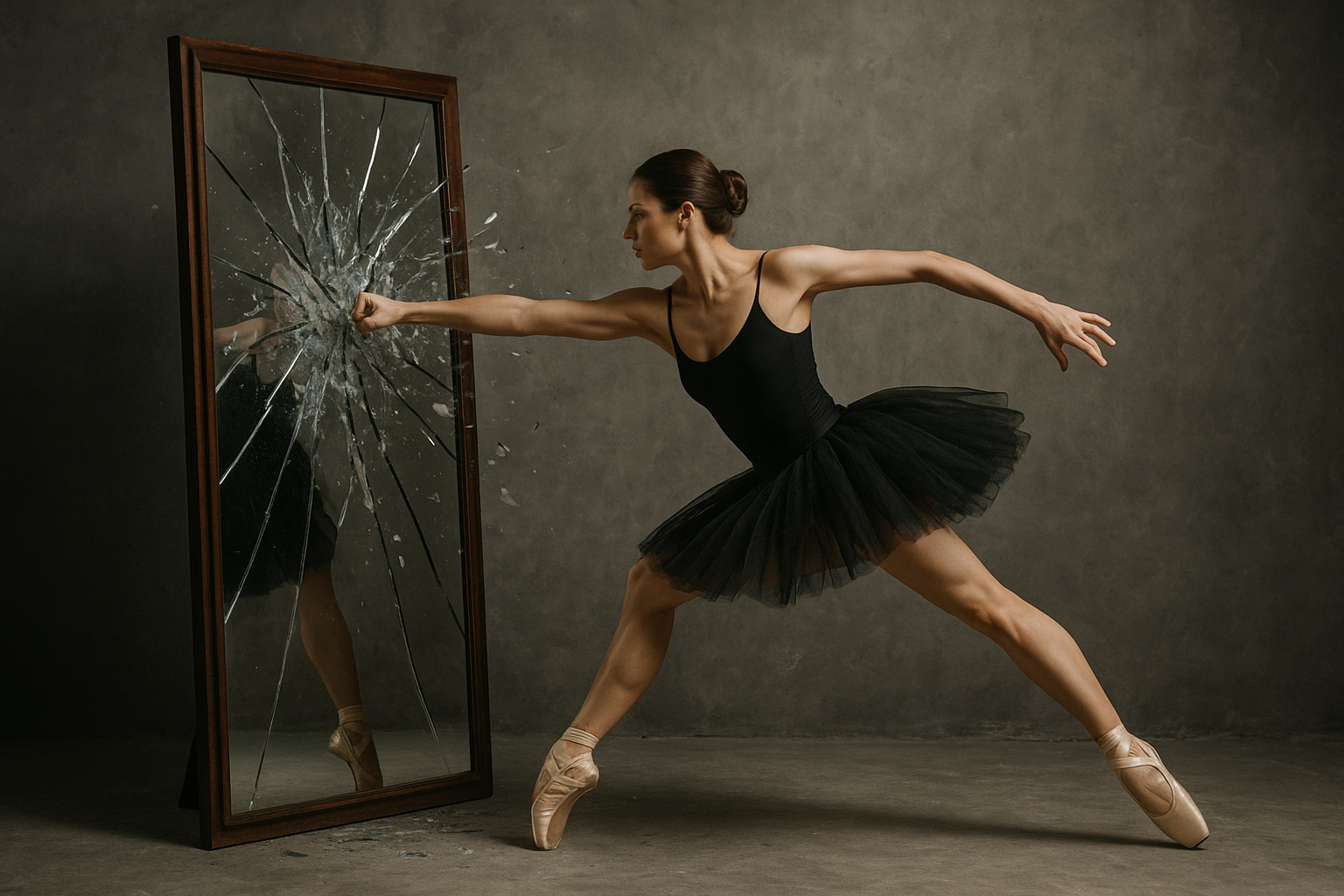
    Dance, an art form as ancient as human civilization itself, has experienced an evolution that reflects the complexities and nuances of the societies that nurture it. Amongst the myriad of dance styles that have emerged over time, contemporary dance stands out for its revolutionary approach, breaking away from the constraints of traditional forms. It defies conventional boundaries and embraces innovation, making it a powerful vehicle for creative expression in today’s world.

    The Origins of Contemporary Dance

    The roots of contemporary dance can be traced back to the early 20th century. During this time, pioneers like Isadora Duncan and Ruth St. Denis began to challenge the rigidity and formality of classical ballet. They sought freedom in movement and sought to express a range of emotions and ideas that traditional techniques couldn’t encapsulate. This rebellion against the existing norms laid the foundation for what we now recognize as contemporary dance.

    Defining Characteristics

    • Fluidity and Freedom: Contemporary dance is characterized by its fluid movement, often allowing dancers to explore space in unconventional ways. There is an emphasis on organic movements and a connection with the floor.
    • Emotional Expression: Unlike ballet, which often prioritizes aesthetic form, contemporary dance places a significant focus on conveying emotion. Dancers are encouraged to express their personal stories and inner conflicts through movement.
    • Inclusivity and Diversity: Contemporary dance is often more inclusive than its predecessors. It blends elements from various dance forms across the world, such as modern, jazz, hip-hop, and even folk styles.
    • Innovation and Experimentation: There are no standard movements in contemporary dance. Choreographers are constantly inventing and experimenting with new ways to use the body and interact with the environment.

    Rejecting Convention: A Reflection of Society

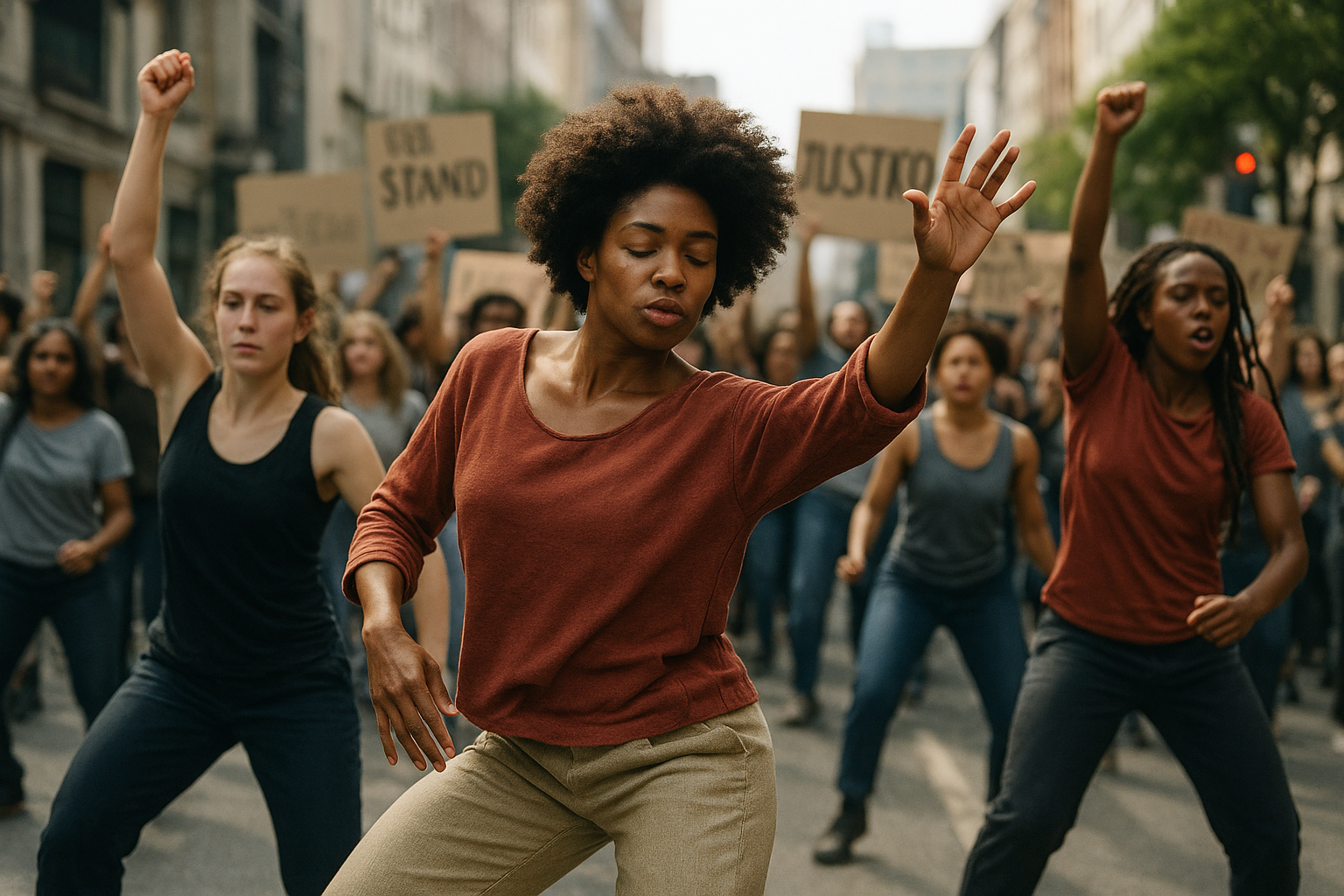
    Contemporary dance’s inclination to reject traditional structures can be seen as a mirror of modern society’s continuous struggle against imposed norms and limitations. This dance form encourages breaking free from gender roles, cultural confines, and social expectations. As noted by artist and scholar Mary Wigman:

    “Dance should be a reflection of the spirit, the pulse of the times, and not just steps to be memorized.”

    A Global Phenomenon

    Contemporary dance is not limited to Western contexts; it is a global phenomenon. For instance, choreographers like Akram Khan infuse traditional Indian dance forms with contemporary dance, creating rich narratives that speak to global audiences. Similarly, Ohad Naharin, known for his development of the “Gaga” movement language, uses contemporary dance to celebrate the capabilities and imperfections of the human body.

    Controversies and Critiques

    While many celebrate contemporary dance for its boundless creativity, it is not without its critics. Some argue that the lack of structure and traditional technique can sometimes lead to performances that are incoherent or inaccessible to audiences not versed in the language of contemporary dance. Nonetheless, this very aspect makes contemporary dance an exciting and unpredictable art form.

    Embracing Technology

    The incorporation of technology in contemporary dance is yet another testament to its revolutionary spirit. From the use of digital media and projections to the integration of virtual reality, contemporary dance is at the forefront of merging technology with art. Choreographer Wayne McGregor, for example, often partners with scientists to explore how technology can extend the human body’s capabilities and explore new dimensions in dance.

    The Role of Education and Community

    Dance education and community engagement play vital roles in spreading contemporary dance’s revolutionary ethos. Dance institutions across the world offer programs that encourage students to explore and create, rather than replicate pre-existing works. This educational philosophy nurtures dancers who are innovators and thinkers, prepared to break norms and contribute to the ever-evolving dance landscape.

    Conclusion

    Contemporary dance, in its rejection of tradition, offers a platform for limitless expression and innovation. It captures the chaos and beauty of the contemporary world and allows both artists and audiences to engage with it in a deeply personal and profound way. As we continue to confront the challenges of the modern era, contemporary dance remains a powerful testament to human resilience and creativity.

  • The Silent Stage: Where Contemporary Dance Meets Visual Art

    The Silent Stage: Where Contemporary Dance Meets Visual Art

    In the realm of artistic expression, the merger of contemporary dance and visual art creates a captivating tapestry where movement and aesthetic vision intertwine seamlessly. This fusion offers a sensory experience that transcends traditional boundaries, inviting audiences to engage in a unique dialogue between the seen and the felt.

    Choreography as Canvas

    The partnership between contemporary dance and visual art is not new, but it is perpetually evolving. Choreographers like Merce Cunningham have famously collaborated with visual artists such as Robert Rauschenberg to produce performances that defy conventional narratives. As Cunningham once said, “The dance gives you what the music can’t; the visual art gives you what the dance can’t.” (Source) These collaborations allow creators to explore new dimensions of storytelling.

    Visual Artists Taking the Stage

    Visual artists, on the other hand, are increasingly taking inspiration from the dynamics of dance to expand their creative horizons. Tino Sehgal, known for his “constructed situations,” engages performers to create art through motion and interaction. His work blurs the line between spectator and participant, urging viewers to contemplate the transient nature of both dance and art.

    “Art is a continuous engagement, not a statement,” Sehgal asserts, pointing to the ephemeral quality shared by dance and performance art. (Tate Modern)

    The Silent Conversation

    The silent stage becomes a platform for this exchange, where visual aesthetics influence choreography and the rhythms of dance inform visual compositions. This interaction challenges audiences to decode layers of meaning woven into every movement and stroke.

    Exhibits such as the “Dancing Museum” initiative have further solidified this collaboration by embedding dancers into museum spaces, turning galleries into live, breathing canvases. Visitors find themselves immersed in a performance that flows around the static artworks, creating a narrative that goes beyond time and space.

    Future Directions

    • Exploring technology: Augmented reality and virtual experiences are pushing the boundaries of how these two art forms can converge.
    • Inclusive storytelling: Stories of diverse cultures and identities are told through the universal languages of dance and visual art.

    As we look to the future, the integration of contemporary dance and visual art continues to innovate, challenging artists and audiences alike to question, experience, and redefine art’s silent stage.