Tag: cultural

  • Data Cannot Tell You Why – The missing dimension of meaning

    Data Cannot Tell You Why – The missing dimension of meaning

    Data Cannot Tell You Why: The Missing Dimension of Meaning

    In the era of big data, numbers and algorithms have come to rule the decision-making processes across sectors ranging from business to healthcare. Yet one question remains elusive: why does the data say what it does? Data alone cannot provide the depths of human meaning or the complexities of decision-making that involve moral, philosophical, or cultural dimensions.

    The Limitation of Quantification

    Modern analytics can process vast amounts of data to discern patterns and automate predictions. However, as sociologist Sherry Turkle points out in her book Reclaiming Conversation, “Technology is seductive when what it offers meets our human vulnerabilities. And as it turns out, we are very vulnerable indeed.” Data offers insights, but without context, it lacks the ability to penetrate the emotional or ethical core of human issues.

    The Role of Human Experience

    Consider the realm of healthcare, where data analytics have transformed everything from patient diagnosis to personalized medicine. Data can reveal correlations between symptoms and diseases, but it cannot explain why a patient feels the way they do, or why a certain treatment resonates on a psychological level. It is the physicians’ experience and empathy that fill these gaps, providing not only care but understanding.

    “Artificial intelligence and machine learning cannot replace the nuance and depth of human insight. They excel at pattern recognition but falter when tasked with understanding” – Dr. Eric Topol, The New York Times.

    Cultural and Ethical Implications

    Another realm where data falls short is in cultural and ethical implications. Algorithms can predict consumer behavior with remarkable accuracy but fail to consider cultural context or ethical dilemmas. A campaign strategy might perform well based on numerical data but could alienate consumers due to cultural insensitivity that numbers can neither foresee nor rectify.

    Conclusion: A Call for Harmony

    The challenge of our time is to integrate the quantitative power of data with the qualitative nuances of human culture and ethics. By acknowledging the limits of data, we open the door to a broader perspective, finding balance between cold logic and the warmth of human understanding. As philosopher Jaron Lanier suggests, embracing complexity and uncertainty allows us to forge a future where data-driven decisions are enriched with meaning.

    In the quest to unlock the true potential of data, it is imperative to remember that numbers can inform, but only human insight can transform.

  • Myth as Memory of the Species – What evolution cannot encode

    Myth as Memory of the Species – What evolution cannot encode

    Myth as Memory of the Species: What Evolution Cannot Encode

    Throughout human history, myths have played a crucial role in the cultural and spiritual lives of societies. They are the narratives that have been passed down through generations, encapsulating not just entertainment, but the values, beliefs, and experiences of entire cultures. As we delve deeper into the significance of myth, one can wonder: is it merely a cultural construct, or does it serve a deeper, perhaps evolutionary purpose?

    The Limitations of Evolution

    Evolution, in its essence, is a biological process that favors traits aiding in the survival and reproduction of a species. These traits are encoded in our DNA and passed on to future generations. According to geneticist Richard Dawkins, “We are survival machines—robot vehicles blindly programmed to preserve the selfish molecules known as genes” (Richard Dawkins, The Selfish Gene).

    While evolution accounts for many of the physical and behavioral characteristics of species, it falls short in explaining the propagation of myths. For myths are not concrete traits one can inherit through genes; rather, they belong to the realm of cultural memory.

    The Role of Mythology in Human Evolution

    Mythology can be viewed as the collective memory of humanity, a series of narratives that encapsulate the essence of human experiences, aspirations, and moral lessons. Carl Jung believed myths operate as a communal memory that connects human beings across time and space. He observed that “Myths are the original revelations of the preconscious psyche, involuntary statements about unconscious psychic happenings,” suggesting that myths arise from a deep-seated need to make sense of the world (Carl Jung, Man and His Symbols).

    • Making Sense of Reality: Myths often provide explanations for phenomena that early human societies found mysterious or unfathomable. These stories helped people understand the forces of nature, the cycle of life and death, and human behavior.
    • Establishing Social Norms: Many myths serve as cautionary tales, warning against certain behaviors, or illustrating the virtues of desirable ones, thereby reinforcing societal norms and values.
    • Fostering Social Cohesion: Shared myths create a sense of belonging and identity within a community. They serve as a common framework through which individuals can connect and communicate.

    The Resilience of Myths

    Myths persist through oral traditions, art, and written records, proving their resilience and adaptability. Unlike genetic traits, which are fixed and slow to change, myths can evolve quickly, reflecting changes in cultural, social, and environmental conditions. They are an art form, continually reshaped by storytellers to maintain their relevance in contemporary societies. In the words of mythologist Joseph Campbell, “Myths are public dreams, and dreams are private myths” (Joseph Campbell, The Power of Myth).

    The enduring power of myths lies in their ability to transcend generations. Despite advancements in science and technology, modern humans still turn to myths to understand human nature and address existential questions. The hero’s journey, a pattern that features in the myths of many cultures, speaks to our innate desire for growth, self-discovery, and the overcoming of obstacles.

    Conclusion

    While evolution may not encode the stories that make up our mythological traditions, these narratives hold a significant place in the fabric of human society. Myths serve as the amalgamation of human wisdom, a reflection of our collective psyche, and the continuation of our cultural heritage. In recognizing myths as the memory of our species, we acknowledge their profound impact on our past, present, and future.

    “Myth is much more important and true than history. History is just journalism and you know how reliable that is” – Joseph Campbell

    In an age where humanity is increasingly interconnected, understanding and preserving these age-old stories could be key to navigating the intricate web of modern life.

  • Myth as Emotional Infrastructure – The hidden architecture of culture

    Myth as Emotional Infrastructure – The hidden architecture of culture

    Myth as Emotional Infrastructure: The Hidden Architecture of Culture

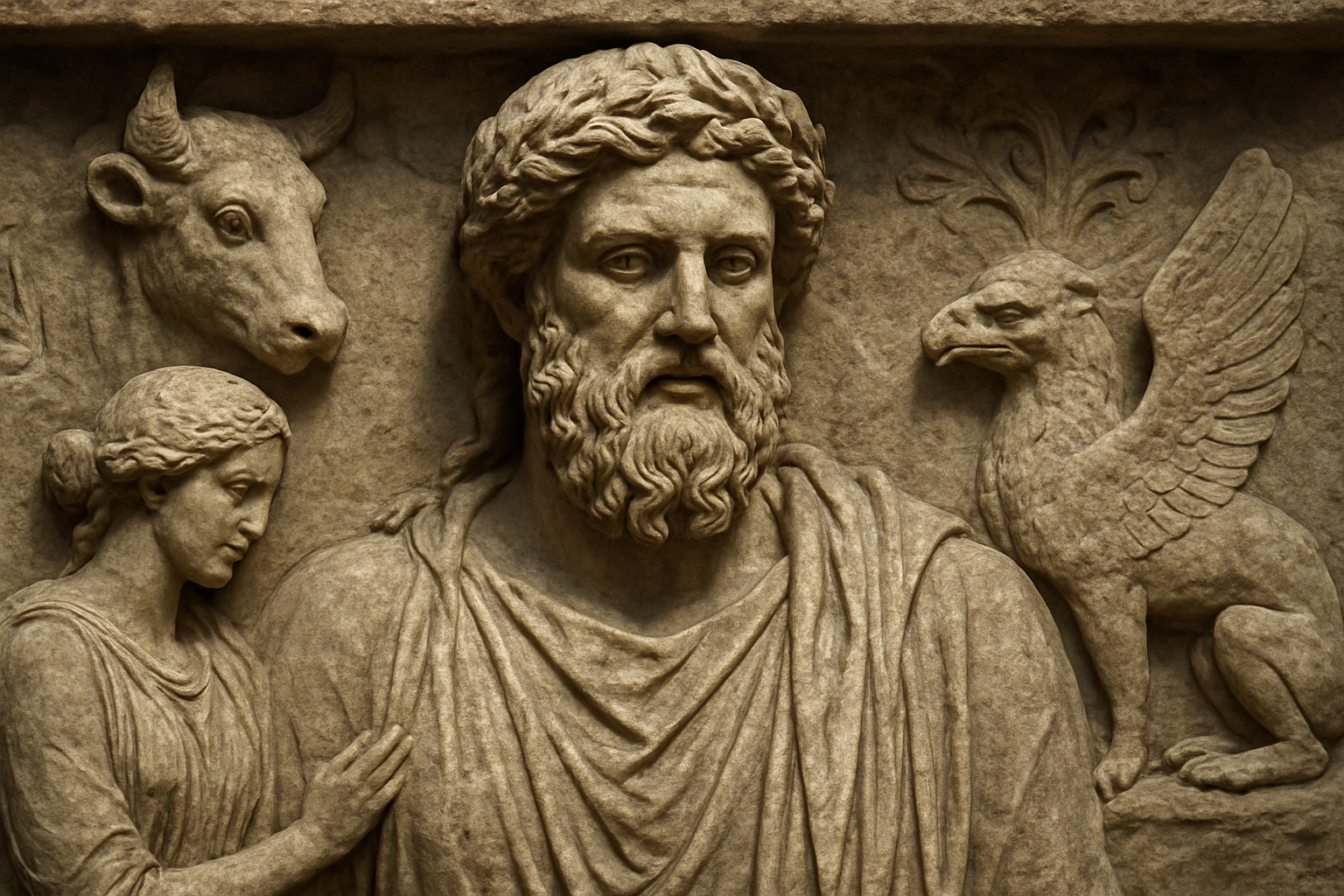
    In the tapestry of human culture, myths are the golden threads that weave together our shared understanding, beliefs, and values. Often dismissed as mere fairy tales or relics of past civilizations, myths are, in fact, the emotional infrastructure upon which societies build their beliefs, ethics, and philosophies. This article explores the essential role that myths play in shaping cultural narratives and sustaining the emotional and moral architecture of human communities.

    The Timelessness of Myth

    Myths are not just stories; they are a crucial part of the human experience. Joseph Campbell, a prominent mythologist, once noted, “Myths are public dreams, dreams are private myths.” Myths serve as a vehicle for conveying profound truths and universal experiences. They transcend time, offering insights not only into past civilizations but also into contemporary society.

    “Every society needs a myth to live by, to anchor its identity in the chaos of the universe.” – Mircea Eliade

    The power of myth lies in its ability to resonate with fundamental aspects of the human experience—identity, purpose, morality, and mortality. As a cultural touchstone, myths provide a collective narrative that helps individuals make sense of their personal and communal existence.

    Myths as Emotional Infrastructure: Understanding the Architecture

    Myths function as emotional infrastructure by providing a shared framework for understanding the world. They are the hidden architecture that supports the weight of cultural values and morals. Here are some key ways in which myths serve as this foundational support:

    • Identity and Belonging: Myths offer narratives that help define who we are as individuals and as members of a community. They give us a sense of belonging and continuity, linking us to our ancestors and their experiences.
    • Ethical Guidelines: Through legendary tales of gods, heroes, and historical events, myths provide moral and ethical guidelines. They offer lessons on courage, justice, and the consequences of human actions.
    • Cultural Cohesion: Myths create a shared history and purpose, fostering unity and cohesion within a society. They bridge the gap between the individual and the collective, harmonizing personal dreams with cultural narratives.
    • Explaining the Unknown: Myths often address existential questions and explain natural phenomena, offering comforting frameworks for understanding the world’s mysteries.

    Examples of Myths Across Cultures

    Each culture has its own set of myths that carry unique insights and values:

    • Greek Mythology: The stories of Olympian gods and ancient heroes like Hercules and Persephone embody themes of power, hubris, and the interplay between fate and free will. As History notes, these myths have significantly influenced Western literature and thought.
    • Aboriginal Dreamtime: In Australian Aboriginal cultures, Dreamtime stories explain the origin of the world, its creatures, and human customs. According to Queensland Department of Communities, these stories are vital for cultural preservation and teaching Aboriginal law and morality.
    • Norse Mythology: Tales of Odin, Thor, and Ragnarok reflect themes of bravery, the inevitability of fate, and the cyclical nature of time and creation. The Encyclopædia Britannica highlights how these myths continue to influence modern literature and popular media.

    The Relevance of Myths in Modern Culture

    In contemporary society, the relevance of myths can often be overlooked, yet they continue to shape our worldviews and cultural expressions. Consider, for example, the role of myths in pop culture, where superhero stories function as modern epic tales. They convey messages about responsibility, power, and the battle between good and evil, tapping into age-old archetypes recognized across cultures.

    Similarly, popular movies, such as Star Wars and The Lord of the Rings, embody mythical themes and structures, creating new myths for modern audiences. George Lucas, the creator of Star Wars, famously acknowledged Joseph Campbell’s influence, using the hero’s journey as a template for his saga. As Campbell wrote in The Power of Myth, “The hero is the man or woman who has been able to battle past his or her personal and local historical limitations to the generally valid, normally human forms.”

    Preserving and Transforming Myths

    As collective narratives, myths are never static. They evolve with societies, adapting to new contexts while preserving core values. This dynamic nature enables myths to remain relevant, providing continuity amid societal change. The digital age offers new platforms for myth-making, with virtual realities and interactive media extending mythic storytelling to new frontiers.

    Myths’ adaptability is crucial, especially in times of cultural upheaval. They act as stabilizers, comforting societies by reaffirming shared values and beliefs. However, their transformation also raises questions about authenticity and cultural appropriation, as myths are retold across diverse cultures and media.

    Conclusion: Understanding the Unseen Infrastructure of Myths

    Recognizing myths as emotional infrastructure allows for a deeper understanding of culture’s architecture—the unseen framework that supports and shapes human civilizations. Myths are more than ancient stories; they are living pieces of our cultural identity. As such, understanding their role is essential for appreciating the emotional and historical depth of human society.

    In a world where globalization and technological advances are rapidly altering cultural landscapes, myths remind us of our fundamental human connections and shared experiences. They anchor us, weaving a rich tapestry of stories that continue to guide, teach, and inspire across generations.

  • The Rattle of Reform: Challenging Authority in Traditional Arts

    The Rattle of Reform: Challenging Authority in Traditional Arts

    The world of traditional arts, deeply woven into the fabric of cultural heritage and identity, stands at a crossroads. Modern artists and critics are increasingly challenging established norms, paving the way for reform and innovation. This avant-garde movement seeks to honor the past while embracing the future, creating a new paradigm of artistic expression.

    Breaking Boundaries

    One primary catalyst behind these reforms is the desire to break free from the constraints that traditional practices impose. Many contemporary artists argue that rigidity in traditional arts stifles creativity. As noted by renowned ethnomusicologist Gillian Rapley, “The vitality of any art form lies in its ability to evolve while retaining its root essence.”(1) By questioning the authority of conventional methods, artists breathe new life into time-honored practices.

    A Clash of Generations

    The push for reform has also amplified a generational clash within communities. Younger artists often advocate for an inclusive approach, integrating diverse cultural influences and technological advancements into their work. This is sometimes met with resistance from older generations, who fear that change may lead to the erosion of cultural identity.

    “Our traditions are a beacon of identity; however, they must not become shackles that bind us,” says Michael Takeuchi, an innovator in traditional Japanese calligraphy.(2)

    Embracing Innovation

    • Technology: With the advent of digital media, artists incorporate modern tools and platforms to reinterpret traditional themes. Virtual reality, for instance, allows for immersive storytelling that traditional methods could not achieve.
    • Fusion of Forms: Artistic fusion, where different cultural art forms are blended, has become a popular method for challenging artistic authority. For example, Indo-fusion dance combines classical Indian dance styles with contemporary movements, offering a fresh perspective on performance art.

    A Respectful Dialogue

    While reformists seek to redefine boundaries, the need for a respectful dialogue between tradition and innovation remains crucial. The aim is not to undermine but to enrich and expand the potential of traditional arts. As Alicia Sun, a cultural historian, points out, “True reform happens not when we discard the past, but when we use it as a launchpad for new ideas.”(3) By engaging in this conversation, artists ensure that traditional arts remain relevant and vibrant.

    The rattle of reform is a testament to the enduring power of art as a dynamic force in society. As artists continue to challenge and reinterpret, the future looks promising for both conservation and innovation in the traditional arts.


    References:

    1. Gillian Rapley, Ethnomusicology Quarterly, “The Dynamics of Tradition,” www.ethnomusicologyquarterly.org/article/dynamics.
    2. Michael Takeuchi, Interview with the Contemporary Artists Network, “Redefining Calligraphy,” www.contemporaryartistsnetwork.org/interviews/takeuchi.
    3. Alicia Sun, “Cultural Heritage and Modernity,” Heritage Journal, www.heritagejournal.org/article/modernity.
  • The Choreography of Change: Dance and Societal Evolution

    The Choreography of Change: Dance and Societal Evolution

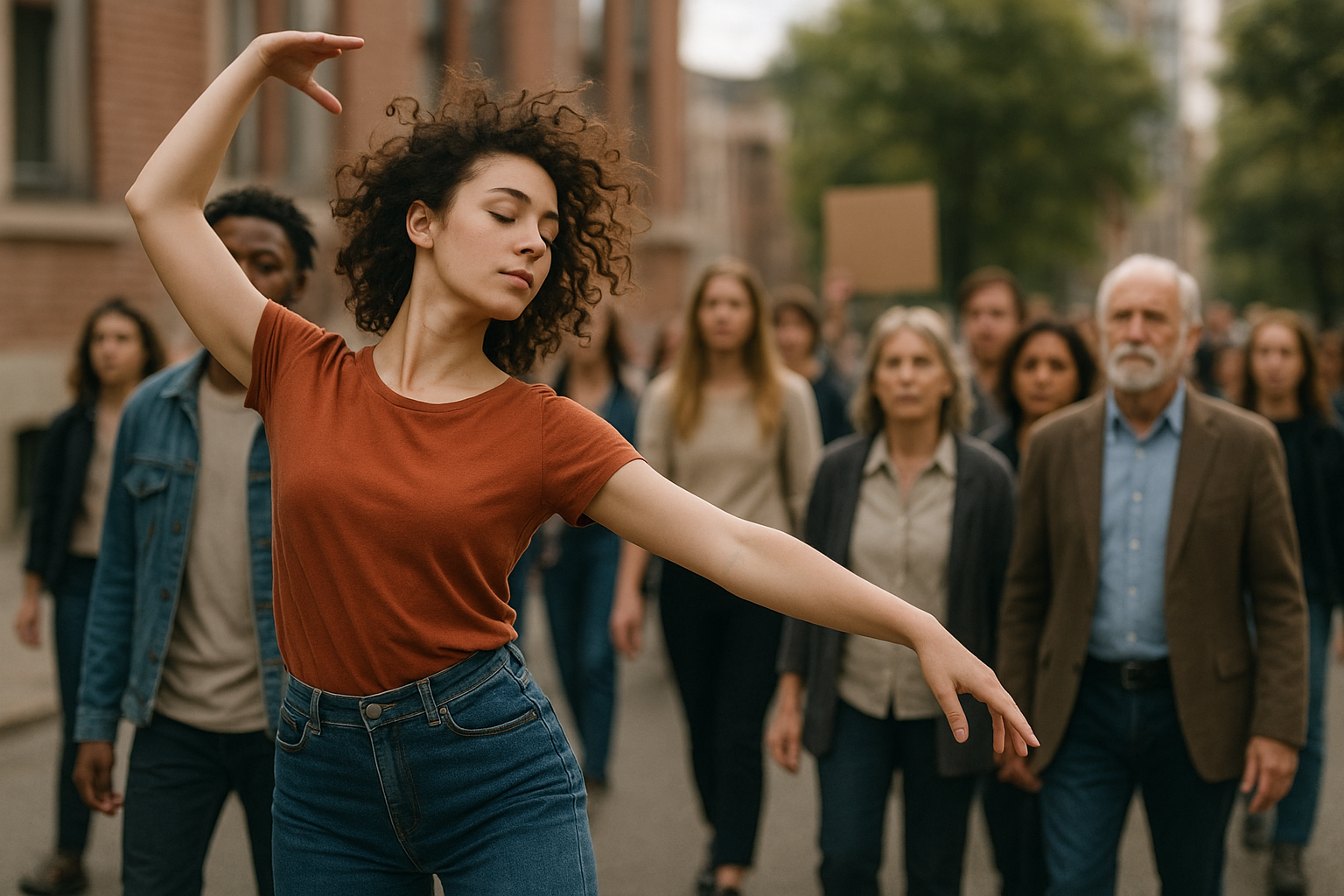
    Throughout history, dance has not only mirrored the cultural values of its time but also served as an agent of change, challenging norms and inspiring transformation. From the sacred rituals of ancient civilizations to the dynamic expressions found in contemporary urban landscapes, dance continues to be a potent force in shaping and reflecting societal evolution.

    Dance as a Reflection of Society

    Dance is deeply woven into the cultural fabric of societies worldwide. In many cultures, it plays a crucial role in ceremonies and rituals, encapsulating sacred stories and traditions. For instance, the Hula in Hawaii is not merely entertainment but a narrative dance that tells the stories of the land and people. Such dances preserve the cultural heritage and pass it down through generations.

    The Power of Dance in Social Movements

    More than just a reflection, dance has also been a catalyst for social change. In the 20th century, dance movements often intersected with broader social issues. The 1920s saw the emergence of the Charleston, a dance that broke free from the formal constraints of previous eras, symbolizing the new-found freedom and rebellion of the post-war generation.

    “The Charleston really did epitomize the wild and carefree exuberance of the Roaring Twenties,” says historian John Smith.

    Moreover, the Civil Rights Movement in the United States saw dance emerge as a form of protest and expression. Choreographers like Alvin Ailey created works that challenged racial barriers and conveyed powerful messages about equality and inclusion. Ailey’s Revelations, a masterpiece deeply rooted in his African-American heritage, continues to resonate globally, emphasizing the enduring struggle for civil rights.

    Contemporary Dance and Cultural Dialogue

    In today’s globalized world, dance has become a medium for cross-cultural dialogue and exchange. Contemporary dance forms like hip-hop transcend borders, fostering understanding among diverse groups. In cities such as New York and Los Angeles, flash mobs and spontaneous public performances engage communities, create connections, and sometimes even spark discussions on pertinent social issues.

    With the rise of digital platforms, dance has gained new momentum, reaching wider audiences and influencing cultural trends. This digital age offers a unique opportunity for dance to continue its role in societal evolution, challenging perceptions and promoting unity.

    Conclusion

    The interaction between dance and society illustrates a compelling choreography of change—a dynamic interplay that reflects and influences the spirit of the times. As long as people continue to move in harmony with rhythm and purpose, dance will remain a vital force in the evolution of human societies.

  • Shattering the Mirror: The Deconstruction of Dance Tradition

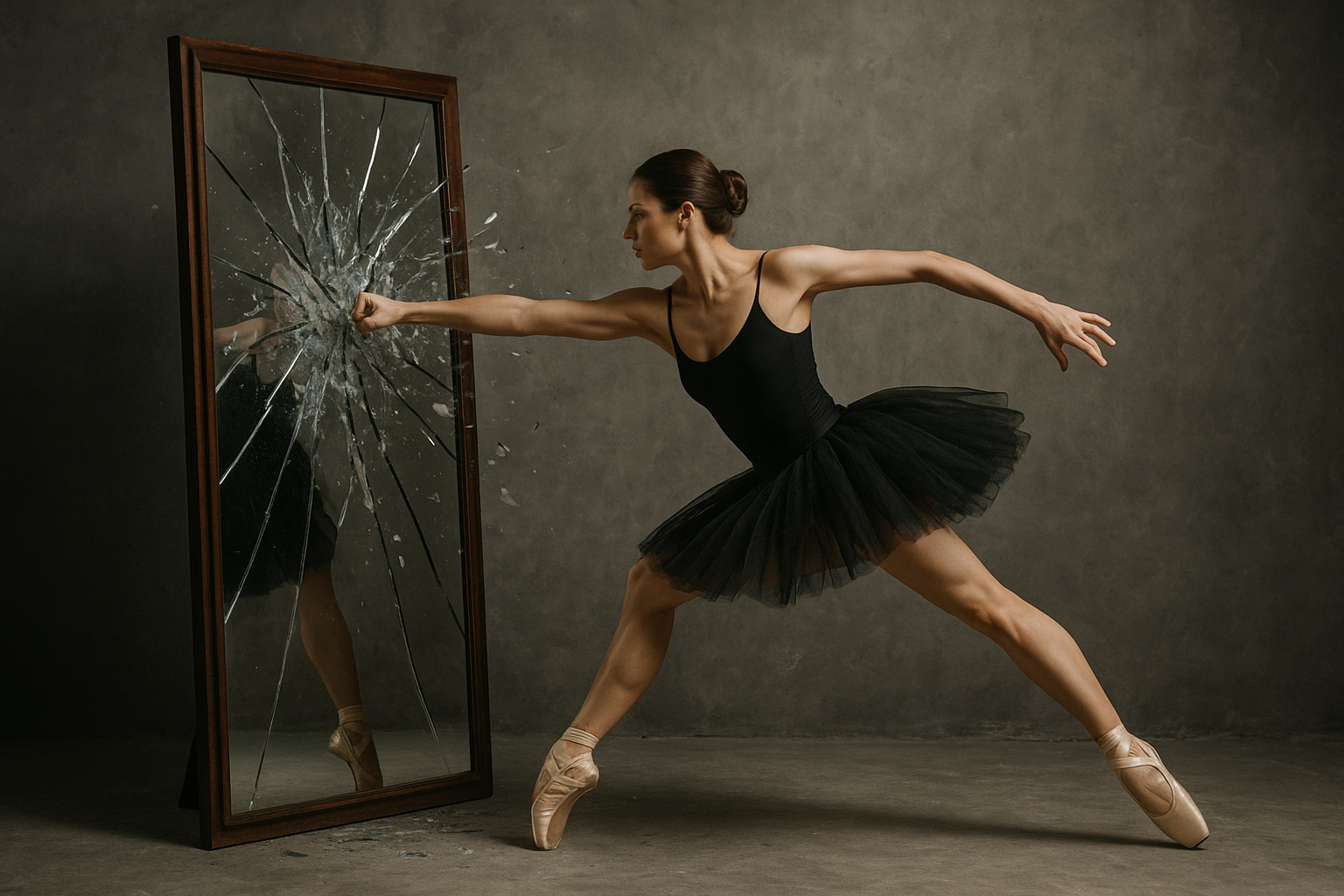
    Shattering the Mirror: The Deconstruction of Dance Tradition

    Dance, a universal language, has been a reflection of cultural identity, tradition, and evolution. It is both an art and a form of communication, able to convey deep emotions and stories without words. Yet, in recent years, the traditional mirror of dance reflects not an unyielding gaze into the past, but a kaleidoscope of deconstruction, innovation, and new narratives. This article delves into how dance traditions are being re-examined, deconstructed, and reimagined in contemporary contexts.

    The Historical Foundation of Dance

    Throughout history, dance has served as a vehicle for storytelling and cultural preservation. Consider classical ballet, which epitomizes the codification of movement and narrative. Originating in the courts of the Italian Renaissance before spreading to France and Russia, ballet became a highly structured art form, as referenced by Britannica, which states, “The dance form reached its peak as a complex danced drama during the 19th-century Romantic ballet.”

    Similarly, traditional dances such as India’s Bharatanatyam or Spain’s Flamenco are steeped in cultural rituals, often being passed down through generations. Each style not only embodies artistic expression but also serves as a living history of its people.

    Challenging the Status Quo

    While honoring tradition is vital, the modern era has ushered in waves of change that urge us to rethink established norms, including those in dance.

    The Influence of Postmodern Dance

    In the 1960s, the postmodern dance movement emerged, challenging existing perceptions by questioning the very essence of dance. Pioneering artists like Yvonne Rainer and Trisha Brown embraced the phrase ‘no to spectacle’ and questioned narrative and form. Their work eschewed the traditional elements of structured choreography, costumes, and mood-setting music.

    Rainer, in her “No Manifesto”, famously declared, “No to spectacle, no to virtuosity, no to transformations and magic and make-believe, no to the glamour and transcendency of the star image.”

    The Rise of Contemporary Dance

    Contemporary dance, distinct from its classical predecessors, merges elements from various styles, fostering an open-ended platform for expression. Its very nature is one of fusion and reinvention. As such, it serves as a powerful mechanism for deconstructing traditional dance and reconstructing it with new relevance.

    According to the Dance Consortium, a collective that aims to increase public interest in dance, contemporary dance is “characterized by its expressive nature, its use of unconventional techniques, and its acceptance of a wide array of influences.”

    Cultural Intersections

    Dance is increasingly seen as a reflection of globalization, where cross-cultural exchanges enrich traditional practices. This intersection has given rise to innovative collaborations and hybrid dance forms.

    • Interactive Fusion: Dancers frequently integrate elements from diverse traditions, creating unique expressions. For instance, the ‘Bollywest’ genre blends Bollywood and Western modern dance, appealing to broad audiences.
    • Cultural Dialogues: Modern-day choreographers often engage with issues of identity and belonging, expressing themes of diaspora, migration, and cultural hybridity. Choreographer Akram Khan, whose works intertwine Kathak and contemporary dance, exemplifies this blend.

    In an interview with The Guardian, Khan discusses how, “Dance has become a dialogue between cultures, an interaction where traditional boundaries dissolve into shared humanity.”

    Social and Political Narratives

    Dance is more than an art form; it’s a powerful tool for social commentaries and political movements.

    • Protest and Activism: Dance has been prominently featured in movements such as Black Lives Matter, where dancers use their bodies to protest against racial injustices.
    • Gender and Representation: Many choreographers focus on breaking gender stereotypes, questioning norms, and opening up spaces for underrepresented voices in the dance community.

    Dance in this century, thus, is not insular but deeply interconnected with societal currents, boldly addressing the issues of the day through innovative performance.

    The Digital Revolution

    The rise of digital platforms and technology has further expanded the canvas of dance. Virtual reality and digital mapping allow for unforeseen possibilities, as performances are released from traditional spaces and extended into digital realms.

    Live-streamed performances and online dance challenges on platforms like TikTok democratize and decentralize the art form, engaging global audiences and influencing new styles and trends.

    Conclusion: Realigning the Mirror

    As dance continues to evolve, breaking free from its own constraints, it calls into question what it means to preserve tradition while embracing change. The creative deconstruction of dance tradition is not the erasing of history but its reimagining, offering audiences new perspectives. As this dynamic art form continues to develop, it invites both artists and audiences alike to reflect on, challenge, and contribute to its bold narrative.

    Indeed, as choreographer Martha Graham aptly summarized, “Dance is the hidden language of the soul.” As we deconstruct its traditions, may we uncover even deeper meanings beneath its mesmerizing surface.

    This shattering of the mirror is not a critique but an evolution—an opportunity to see beyond reflections and discover the vast possibilities of human expression that lie beyond.

  • The Weight of the Ancestors: Traditional Forms in a Modern Context

    The Weight of the Ancestors: Traditional Forms in a Modern Context

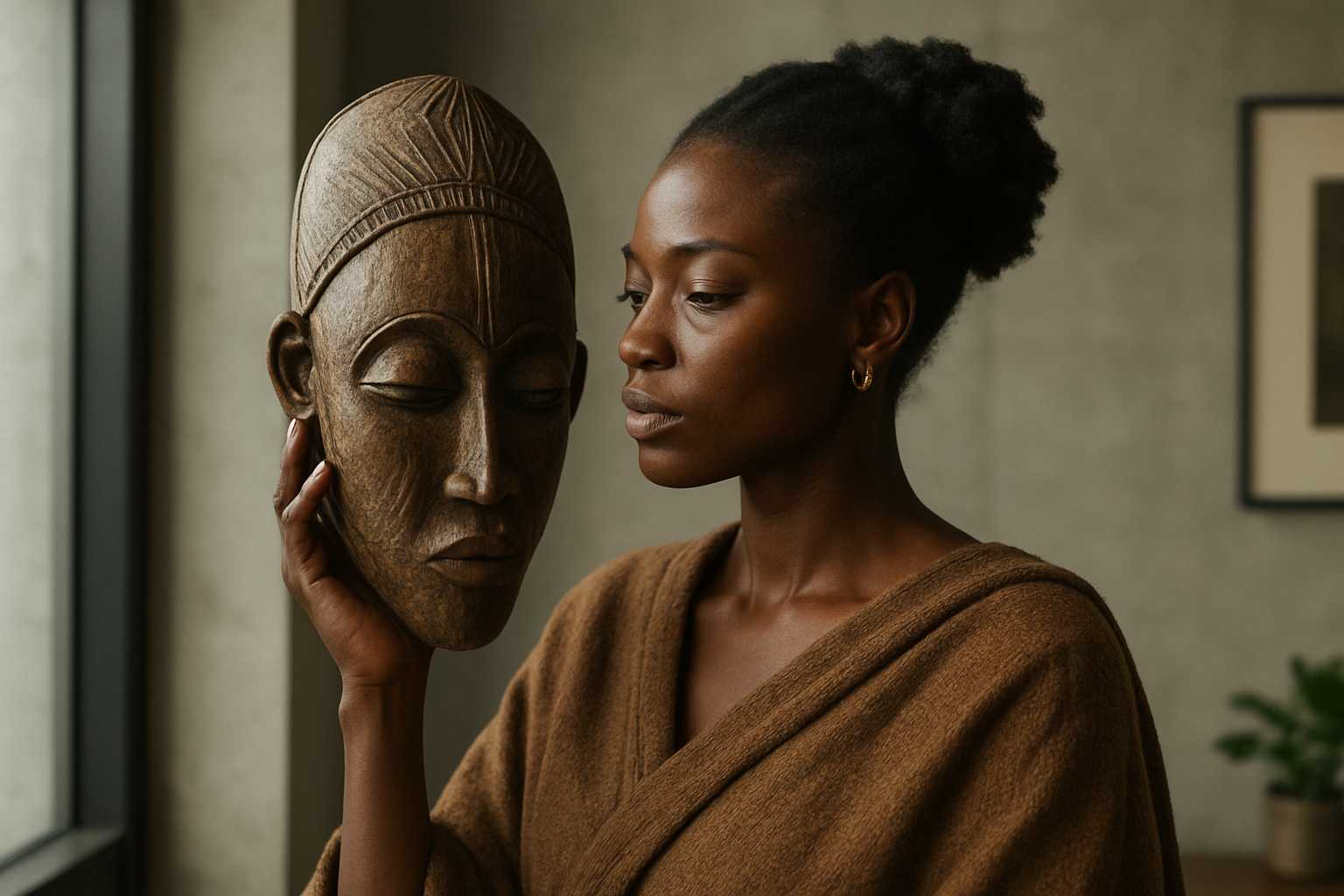
    The echoes of ancient traditions linger in the modern world, influencing art, culture, and society in diverse ways. Despite the rapid pace of global change, many traditional forms continue to find relevance and a stronghold in contemporary settings. These forms, deeply rooted in historical contexts, provide a sense of identity and continuity in an ever-evolving landscape.

    The Timelessness of Tradition

    As cultures evolve, traditional forms often serve as anchors, offering stability and a sense of belonging. Traditional dances, music, and art have perpetuated their significance, evolving yet maintaining their core essence. One example is the Japanese tea ceremony, or chanoyu, which embodies the principles of harmony, respect, purity, and tranquility. It remains a vibrant practice, teaching patience and mindfulness amidst today’s fast-paced life.

    Reinterpreting Traditional Arts in Modern Society

    The preservation of traditional arts in contemporary times often requires a fusion of the old with the new. Artists and practitioners are constantly finding novel ways to keep these forms alive, ensuring they resonate with modern audiences. The revitalization of traditional African music is a testament to this trend. Contemporary African musicians, like Nigeria’s Burna Boy, have blended traditional sounds with modern genres, bringing African rhythms to global audiences.

    • Burna Boy: Known for his Afro-fusion music, Burna Boy integrates traditional Nigerian music with global sounds, creating a unique style that resonates worldwide.
    • Preservation through Innovation: By innovating within tradition, modern artists can protect and promote their cultural heritage.

    According to a UNESCO report, such initiatives are crucial for cultural sustainability, as they bridge the gap between generations and promote cultural diversity.

    The Influence of Ancestral Wisdom

    Ancestral wisdom often finds expression through traditional forms, offering lessons that remain pertinent. Native American storytelling, for example, weaves together history, moral guidance, and entertainment, reflecting community values and philosophies. These narratives have adapted and endured, ensuring that they remain accessible and relevant to younger generations.

    “Traditional stories not only help us to connect with our past but also guide us in navigating the complexities of today’s world.” – Smithsonian Magazine

    Maintaining Cultural Identity

    Cultural identity is intrinsically linked to traditional forms, providing a unique lens through which communities view themselves. The Maori haka, a ceremonial dance of New Zealand’s indigenous people, epitomizes this connection. Originally performed during wartime, the haka has been adapted as a symbol of unity and pride in modern New Zealand, especially in sports and public ceremonial occasions.

    • Maori Haka: The haka’s transformation into a symbol of national pride highlights the potential of traditional forms to evolve without losing their essence.
    • Global Resonance: Traditional forms like the haka can transcend cultural boundaries, earning respect and admiration from diverse audiences worldwide.

    The Challenges of Modernization

    The modernization of traditional forms is not without challenges. The risk of commodification and loss of authenticity poses a threat to cultural heritage. As traditional artifacts and practices become commercialized, there can be a tendency to dilute their cultural significance for broader appeal.

    Moreover, globalization can lead to the homogenization of culture, where unique traditional forms risk being overshadowed by dominant cultural norms. This underscores the importance of conscious preservation efforts and educational initiatives.

    The Role of Technology

    Technology plays a crucial role in preserving and promoting traditional forms. Digital platforms offer new avenues for dissemination and engagement, allowing traditional practices to reach wider audiences than ever before. Social media channels, online workshops, and virtual reality experiences have become instrumental in sustaining cultural heritage.

    • Digital Preservation: Platforms such as YouTube and TikTok have enabled cultural practitioners to showcase and teach traditional forms globally.
    • Virtual Reality: VR experiences allow users to immerse themselves in traditional settings, experiencing cultural practices firsthand.

    As described by The Guardian, such technologies not only preserve traditional forms but also enrich them, enhancing their relevance for contemporary audiences.

    Conclusion

    The weight of the ancestors is indeed significant but equally empowering. Traditional forms continue to inform modern identities, acting as bridges between the past and present. As society progresses, it remains imperative to respect and preserve these cultural treasures in innovative ways, ensuring they continue to inspire and educate future generations.

  • Shifting Perspective: When Tradition Becomes Inspiration

    Shifting Perspective: When Tradition Becomes Inspiration

    In a rapidly evolving world, the delicate balance between innovation and tradition often fuels debates across diverse fields—from technology to art and culture. As society advances, there is an inclination to view traditions as relics of the past. However, many are beginning to realize that traditions can serve as a profound source of inspiration, bridging the generational gap and fostering a sense of identity and continuity.

    The Role of Tradition in Modern Society

    Traditions are the bedrock of cultural identity. They provide a sense of belonging and continuity that is pivotal amidst the transient nature of contemporary life. According to a Britannica article, “Traditions offer a way for societies to maintain a connection with their cultural heritage while providing frameworks within which new ideas can be explored.”

    The past decade has seen a resurgence of interest in cultural practices and traditional crafts. From artisanal goods becoming increasingly popular among younger generations to the adoption of sustainable farming practices inspired by traditional methods, the old is becoming new again.

    Tradition as a Catalyst for Innovation

    Interestingly, rather than stifling creativity, traditions often serve as a springboard for innovation. Historically, many great innovators have drawn deeply from traditional knowledge and practices. For example, architect Frank Lloyd Wright famously stated, “Every great architect is — necessarily — a great poet. He must be a great original interpreter of his time, his day, his age.”

    Wright’s designs, such as the iconic Fallingwater, are testaments to the seamless integration of modernist designs with natural landscapes, drawing from Japanese traditional aesthetics that emphasize harmony with nature.

    Examples of Tradition Fueling Innovation

    • Fashion: The fashion industry continually revisits traditional attire. For instance, the Indian sari is continuously reimagined by designers worldwide who incorporate modern fabrics and cuts while retaining its essence.
    • Technology: In the tech world, traditional algorithms and ancient problem-solving methods are often revisited and adapted to solve new-age problems. The inspiration from the abacus, an ancient calculating tool, can be seen in today’s computer programming.
    • Cuisine: Culinary arts also demonstrate the fusion between tradition and innovation with chefs globally taking classic dishes and giving them a modern twist, like molecular gastronomy that transforms traditional Indian spices into new forms.

    Preservation Versus Progress

    While the blend of tradition and innovation can lead to remarkable outcomes, this synergy often comes against a backdrop of tension between preservation and progress. The fear is that as we innovate, we might lose sight of the original cultural significance of these traditions.

    “The risk of transforming traditions is that they might lose their authenticity,” notes cultural anthropologist Dr. Emily Ryder. “However, when approached with respect and an understanding of their origins, innovation can lead to a revitalization of these traditions, making them relevant to younger generations.”

    Therefore, the challenge lies in ensuring that while traditions are being transformed, their essence remains intact, allowing them to inspire future generations.

    The Future of Tradition-Inspired Innovation

    The future holds exciting potential for tradition-inspired innovation. As global awareness of cultural diversity improves, the appreciation for traditional knowledge and practices is likely to deepen. This growing sensitivity can facilitate more responsible and respectful adaptations of traditions in modern endeavors.

    One notable example is the increased incorporation of indigenous knowledge in environmental conservation efforts. By integrating traditional ecological knowledge with modern scientific practices, environmentalists can develop more sustainable approaches to managing natural resources. A report by the Intergovernmental Panel on Climate Change highlights, “Combining indigenous and local knowledge with the latest scientific research contributes to greater resilience and reduces vulnerability to climate change.”

    Conclusion

    In conclusion, traditions should not be viewed solely as instruments of the past but rather as dynamic, living entities capable of inspiring novel expressions across various disciplines. By respecting and embracing the lessons embedded in traditions, society can unlock a wellspring of inspiration that fuels innovation while retaining a strong sense of identity.

    As we move forward, the challenge for individuals and communities alike will be to strike a harmonious balance—honoring the rich tapestry of our cultural heritage while simultaneously forging paths toward a future that is both innovative and deeply rooted in tradition.

  • Sacred Geographies

    Sacred Geographies

    Sacred Geographies: Mapping the Spiritual Terrain

    Throughout history, humans have imbued certain places with profound spiritual significance. These sacred geographies are often seen as bridges between the earthly and the divine, holding cultural, spiritual, and sometimes even political importance. But what defines a sacred geography, and why do these places hold such sway over human consciousness?

    Defining Sacred Geographies

    Sacred geographies are locations that communities regard as holy or spiritually significant. These can include natural formations, such as mountains, rivers, and forests, as well as man-made structures like temples, shrines, and altars. The sacredness of these sites often stems from religious beliefs, historical events, or the presence of natural beauty that inspires awe and reverence.

    • Mount Kailash: Situated in Tibet, Mount Kailash is considered sacred in Hinduism, Buddhism, Jainism, and Bon. It is believed to be the abode of Lord Shiva, and pilgrims undertake arduous journeys to circumambulate the mountain.
    • Uluru: In the heart of Australia, Uluru is a massive sandstone monolith sacred to the Anangu people. Known for its stunning natural beauty, it is a place of deep spiritual significance and is associated with numerous creation stories.
    • Vatican City: As the epicenter of the Roman Catholic Church, Vatican City is a spiritual hub for millions of Catholics worldwide. It’s home to St. Peter’s Basilica, the Sistine Chapel, and the Pope.

    The Role of Sacred Geographies

    Sacred geographies serve various roles in society, from fostering spiritual growth and community cohesion to providing a sense of identity and continuity. As Joseph Campbell once said, “Your sacred space is where you can find yourself over and over again.” [Source]

    For indigenous communities, these sacred sites are often integral to their cultural heritage and spiritual practices. They are places where ancestors are honored, and traditional knowledge is passed down through generations. In many cases, the protection of these sites is crucial for the preservation of cultural identity.

    Challenges and Conservation

    Despite their importance, sacred geographies face numerous challenges, including environmental degradation, tourism pressures, and geopolitical conflicts. Preserving these sites requires a delicate balance between accessibility and conservation. Efforts are often made to involve local communities in conservation initiatives to ensure that these sacred places remain protected for future generations.

    “The world is full of places that possess an energy and atmosphere that demands our respect and reverence.” – John O’Donohue

    In conclusion, sacred geographies are more than just physical locations; they are integral to the human experience, offering a space for reflection, connection, and transcendence. By respecting and preserving these spaces, we honor the intricate tapestry of beliefs and traditions that shape our world.