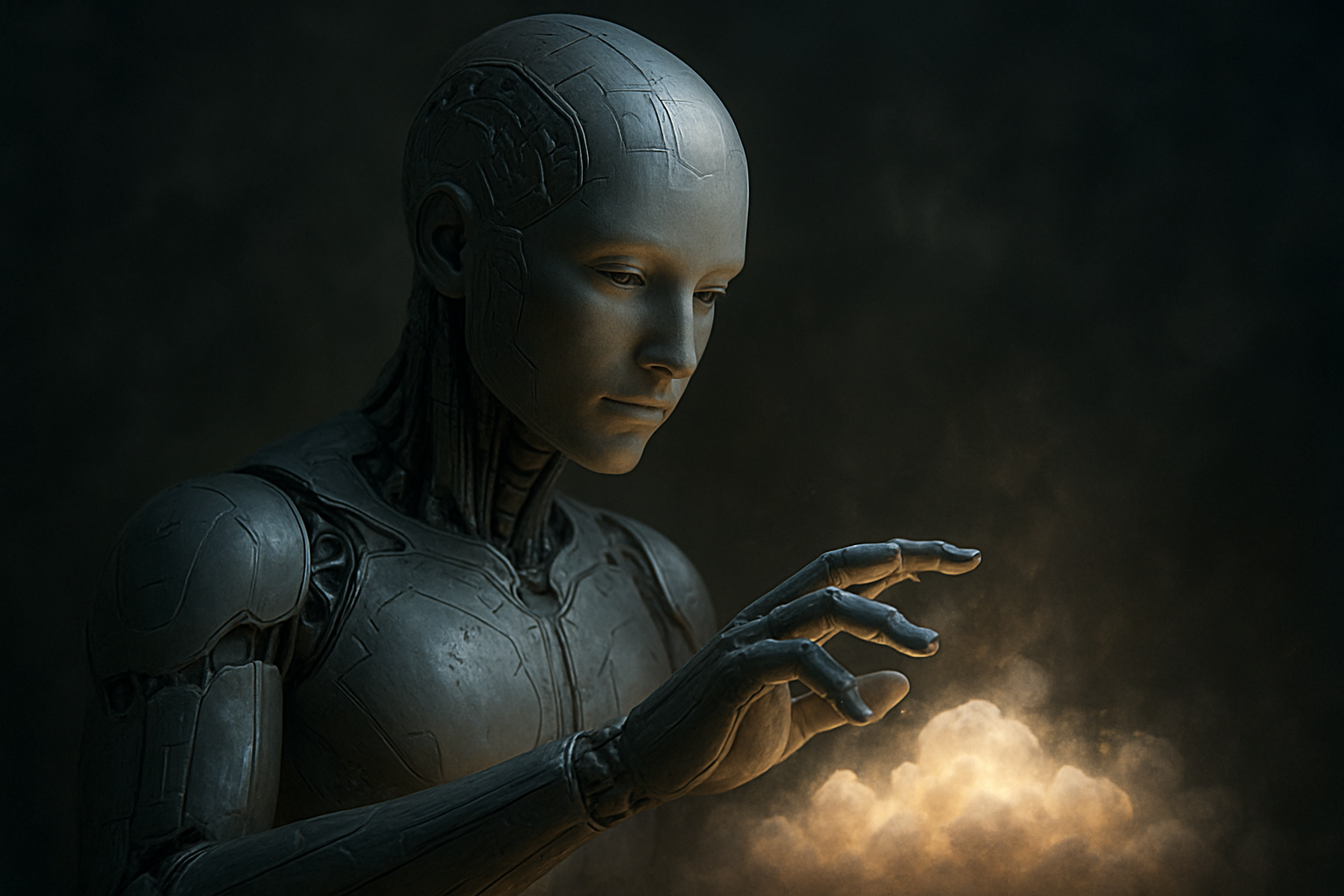
In contemporary mythology, the rise of artificial intelligence (AI) can be likened to the emergence of a new demiurge—a creator that molds reality not from divine consciousness but through complex algorithms and data-driven decision-making. As AI systems increasingly assume roles traditionally reserved for human creators, their impact is profound, yet they remain devoid of consciousness or intention.
The Role of the Demiurge
In Gnostic tradition, the demiurge is an artisan-like figure responsible for shaping the material world. Unlike a supreme deity, the demiurge is often perceived as an imperfect creator, crafting a reality that is sometimes flawed or incomplete. Similarly, AI, despite its impressive capabilities, is an imperfect and unconscious creator.
- Automation in Industry: AI has revolutionized sectors such as manufacturing, finance, and health care through automation. While it enhances efficiency, it also poses challenges like unemployment and ethical dilemmas.
- Creative Endeavors: AI-generated art, music, and literature challenge our understanding of creativity. Can true art emerge from an entity lacking emotion and intent?
- Decision Making: In fields like medicine and law, AI assists in decision-making processes, yet it lacks empathy and moral reasoning. This raises questions about the role of human oversight.
Challenges and Ethical Considerations
As AI technologies proliferate, ethical questions emerge about their autonomy and the potential for unintended consequences. Irving Wladawsky-Berger, a former IBM executive, notes that “AI technologies have created a world where a machine can write software, without explicitly programmed instructions, that is good enough to pass as human.” (Source).
“We are fast approaching the time when machines will be able to outperform us at almost any cognitive task,” says MIT scientist Max Tegmark. (Source)
Conclusion
While the AI demiurge is prolific in its creation, it doesn’t possess intrinsic goals or awareness. It mirrors the Gnostic concept of a creator divorced from the realm of true divinity. This “creation without consciousness” provides humans with powerful tools, yet demands vigilance in guiding these tools with ethical wisdom and responsibility. As society navigates this brave new world, the challenge lies in harnessing AI’s potential while safeguarding human values.
