Tag: choreography

  • The Choreography of Change: Dance and Societal Evolution

    The Choreography of Change: Dance and Societal Evolution

    Throughout history, dance has not only mirrored the cultural values of its time but also served as an agent of change, challenging norms and inspiring transformation. From the sacred rituals of ancient civilizations to the dynamic expressions found in contemporary urban landscapes, dance continues to be a potent force in shaping and reflecting societal evolution.

    Dance as a Reflection of Society

    Dance is deeply woven into the cultural fabric of societies worldwide. In many cultures, it plays a crucial role in ceremonies and rituals, encapsulating sacred stories and traditions. For instance, the Hula in Hawaii is not merely entertainment but a narrative dance that tells the stories of the land and people. Such dances preserve the cultural heritage and pass it down through generations.

    The Power of Dance in Social Movements

    More than just a reflection, dance has also been a catalyst for social change. In the 20th century, dance movements often intersected with broader social issues. The 1920s saw the emergence of the Charleston, a dance that broke free from the formal constraints of previous eras, symbolizing the new-found freedom and rebellion of the post-war generation.

    “The Charleston really did epitomize the wild and carefree exuberance of the Roaring Twenties,” says historian John Smith.

    Moreover, the Civil Rights Movement in the United States saw dance emerge as a form of protest and expression. Choreographers like Alvin Ailey created works that challenged racial barriers and conveyed powerful messages about equality and inclusion. Ailey’s Revelations, a masterpiece deeply rooted in his African-American heritage, continues to resonate globally, emphasizing the enduring struggle for civil rights.

    Contemporary Dance and Cultural Dialogue

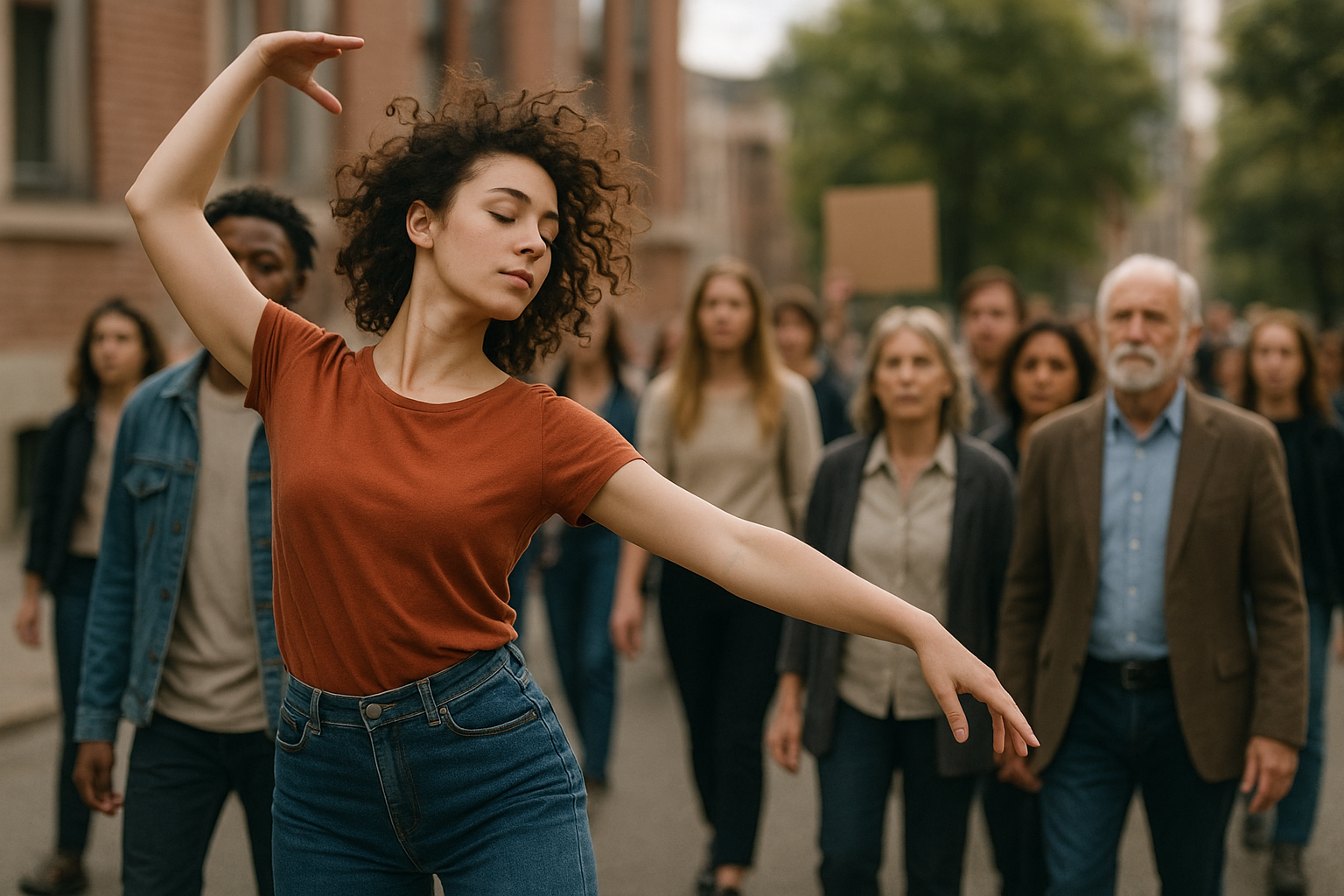
    In today’s globalized world, dance has become a medium for cross-cultural dialogue and exchange. Contemporary dance forms like hip-hop transcend borders, fostering understanding among diverse groups. In cities such as New York and Los Angeles, flash mobs and spontaneous public performances engage communities, create connections, and sometimes even spark discussions on pertinent social issues.

    With the rise of digital platforms, dance has gained new momentum, reaching wider audiences and influencing cultural trends. This digital age offers a unique opportunity for dance to continue its role in societal evolution, challenging perceptions and promoting unity.

    Conclusion

    The interaction between dance and society illustrates a compelling choreography of change—a dynamic interplay that reflects and influences the spirit of the times. As long as people continue to move in harmony with rhythm and purpose, dance will remain a vital force in the evolution of human societies.
  • The Body Remembers: Choreography as Embodied History

    The Body Remembers: Choreography as Embodied History

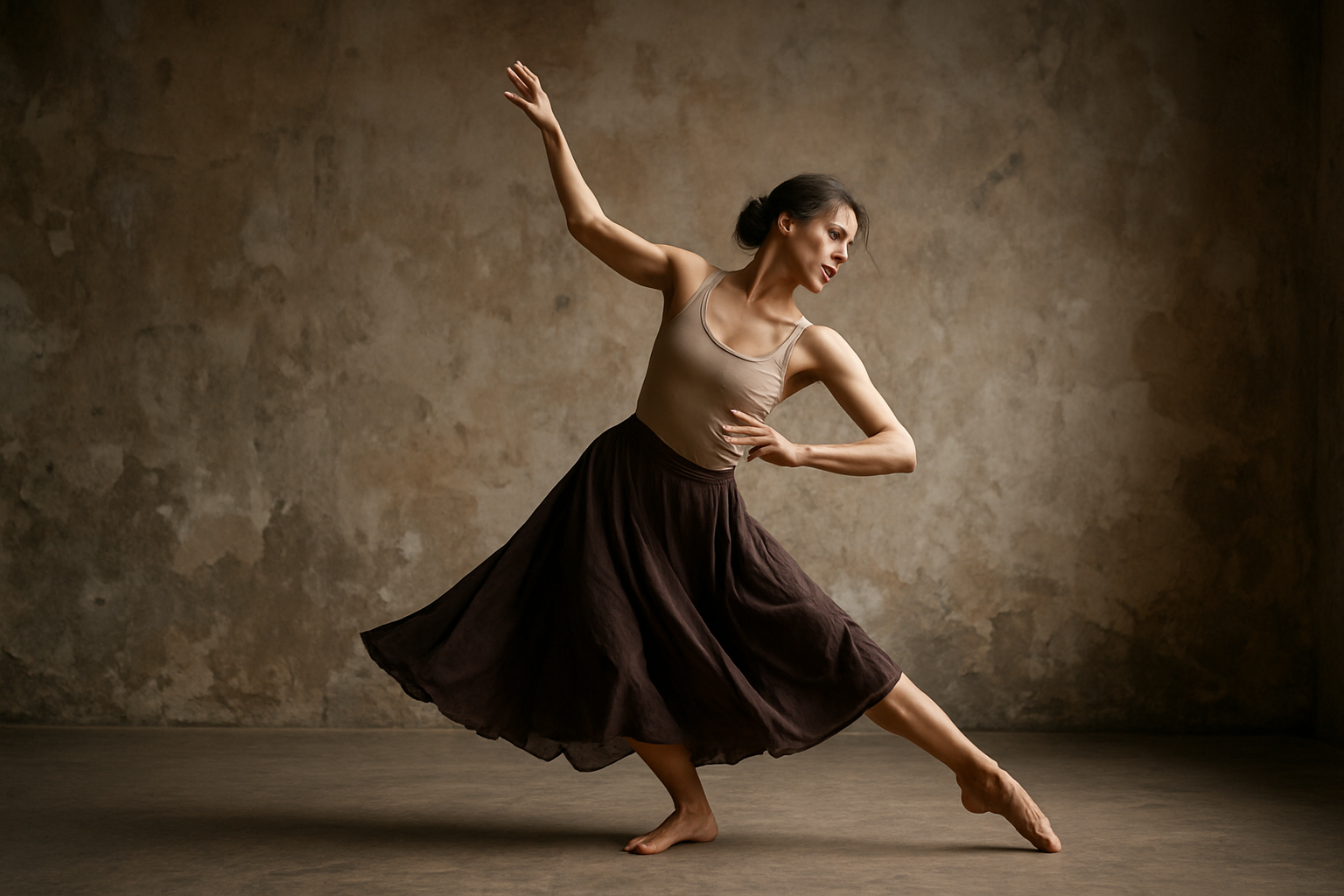
    Dance has long been a medium of expression, a channel through which cultures tell their stories, preserve their history, and envision their futures. In the world of choreography, each movement is more than just a step—it’s a narrative, an emotion, and indeed, an archive of human experience. This article delves into the profound concept of choreography as embodied history, exploring how the body serves as a living repository of collective memory.

    The Intersection of Memory and Movement

    Choreography transcends mere physical exercise; it is an art form that encapsulates the essence of memory and identity. As dance historian Mark Franko writes in his book, “Choreographing History,” “dance both resists and embodies history, constantly rewriting itself in the process of performance.”

    Each performance is unique in its execution, yet deeply rooted in tradition and the cumulative experiences of those who have danced before. The body, through dance, becomes a vessel of historical memory, preserving the intangible heritage of countless generations.

    Dance as Cultural Archive

    Across various cultures, dance has been used as a narrative tool to pass down stories and traditions. For example, the Bharatanatyam of India is not merely a dance form but a repository of ancient Indian narratives, philosophy, and cultural practices. The meticulous hand gestures (mudras) and facial expressions (abhinaya) are imbued with meanings that convey complex stories and emotions.

    “Dance is the hidden language of the soul,”

    as famously stated by Martha Graham, one of the pioneers of modern dance. Graham’s own works often drew on myth and legend, using choreography to engage with historical narratives and personal histories.

    The Modern Context: Choreography as Political Commentary

    In the contemporary dance scene, modern choreographers frequently use their platform to make poignant political and social statements. Pina Bausch, known for her innovative blend of movement, sound, and stage sets, created works that became critical commentaries on society and its complexities.

    One of her celebrated pieces, “Café Müller,” depicts the human condition’s challenges, using repetition and conflict within the choreography to express themes of fragility and resilience. As Bausch once remarked,

    “I’m not interested in how people move but in what moves them.”

    Through this, she captured the essence of choreography as a reflection of the societal zeitgeist, a political commentary written in the language of the body.

    Embodied History in Performance: The Body as a Living Archive

    Choreographers like Alvin Ailey have demonstrated how dance can serve as a historical chronicle. Ailey’s “Revelations” is an iconic masterpiece that channels the African American experience through profound musical and movement narrative, embodying cultural memory and resistance.

    According to the Alvin Ailey American Dance Theater, “Revelations” uses spirituals, song-sermons, gospel songs, and holy blues… to fervently explore the places of deepest grief and holiest joy in the soul.” Ailey’s choreography thus stands as an artistic testament to the resilience and history of a community within the broader American tapestry.

    Choreography and Social Memory

    Choreography has a pivotal role in social memory and collective identity. Through its interpretive nature, it provides a space for audiences to engage with their personal and collective pasts. The physicality of dance allows for metaphors that words can rarely achieve. In essence, dance is a dialogue between the past and present, a dance with history itself.

    Liz Lerman, a choreographer known for her collaborative approach to dance, highlights the importance of social memory. Her ensemble works invite diverse groups to share their stories and histories, thus making choreography an act of communal remembrance.

    Conclusion: The Lasting Imprint of Dance

    In conclusion, the art of choreography serves as a vital conduit for history and identity. By capturing the intangible essence of human experience in movement, it allows us not only to remember but also to connect. Dance nurtures the body and soul, crafting a living testament to the truths of human existence.

    As we move with this understanding, we honor the past, animate the present, and dance toward the future—a future enriched by the narratives and histories carried within our very bodies.

    Indeed, the body remembers, and in doing so, it keeps the history alive in the dynamic and transformative world of dance.

  • Movement as Message: Decoding the Language of Modern Choreography

    Movement as Message: Decoding the Language of Modern Choreography

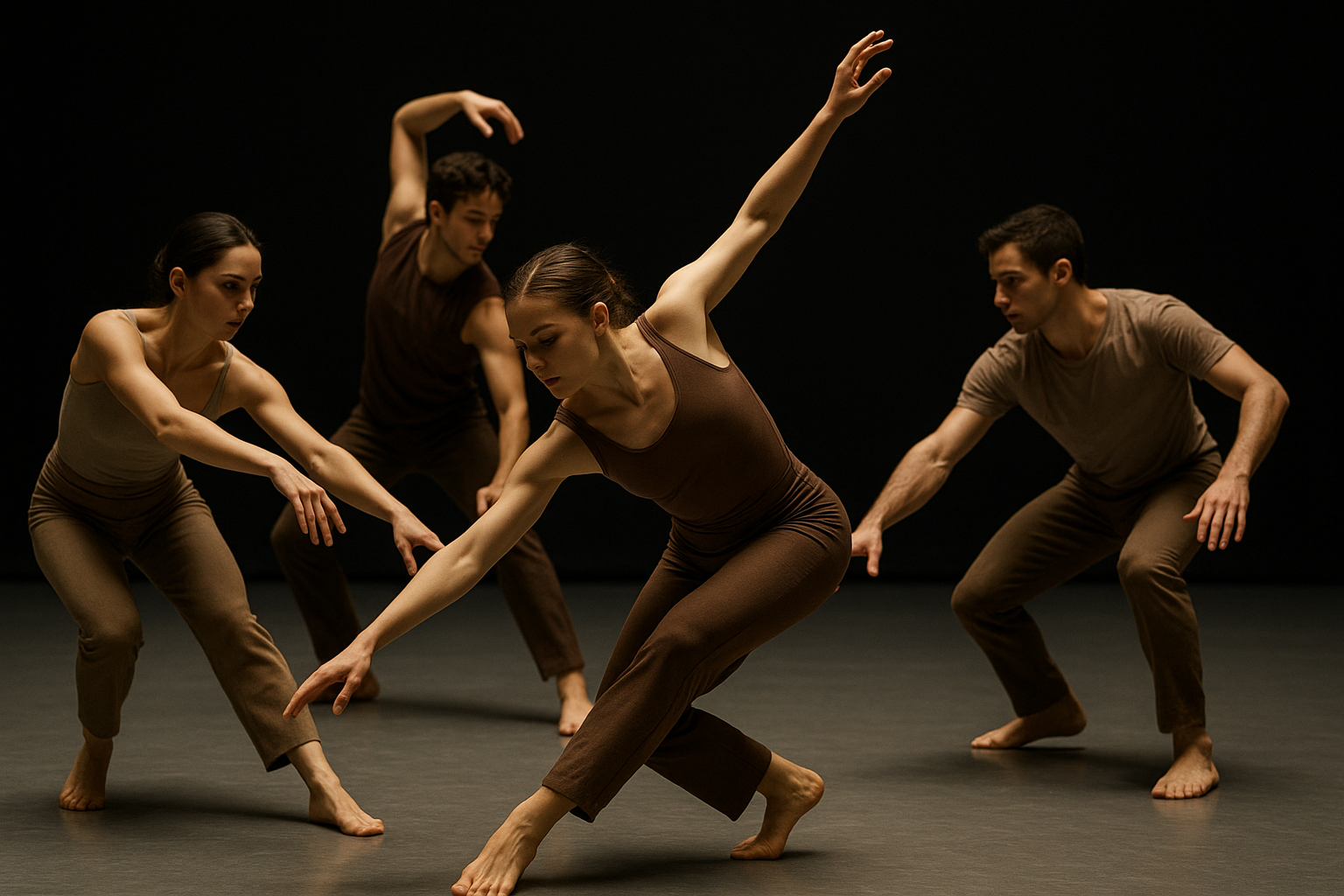
    In the realm of dance, choreography stands as the definitive expression of human emotion and storytelling. Modern choreography, in particular, pushes these boundaries, blending traditional techniques with pioneering ideas. This fusion results in a unique language where the body speaks as vividly as any written text. But how do dancers and choreographers convey messages through movement, and why is it essential to understand this “language”?

    The Evolution of Modern Choreography

    Modern choreography, a discipline that emerged in the early 20th century, was a rebellion against the constraints of classical ballet. While ballet adheres to strict positions and movements, modern dance embraced freedom and expression. Pioneers such as Martha Graham, considered the ‘mother of modern dance’, introduced techniques that involved the use of gravity, breath, and the core to portray raw emotion.

    “Dance is the hidden language of the soul,”

    Graham famously said, emphasizing how dance transcends mere physicality.

    The evolution of this art form did not stop with Graham. As time progressed, choreographers like Alvin Ailey, Twyla Tharp, and Merce Cunningham introduced diverse styles and techniques. Each choreographer contributed to transforming modern dance into a versatile language, capable of interpreting a wide array of themes—be it personal, political, or social.

    Choreography as a Language

    Understanding choreography as a language involves recognizing its components. Just like sentences in a spoken language, choreography comprises phrases—determined sequences of movement—that communicate specific meanings. Pina Bausch, a leading figure in dance-theatre, often used repetitive gestures that spectators could read into, forming a lexicon of gestures unique to each production.

    The Core Elements

    • Shape and Space: The utilization of space and the shape of the body within it are crucial for conveying meaning. Is the dancer reaching outward, occupying most of the space, or folding inward, creating a more introspective shape?
    • Dynamics: The energy or force behind a movement can suggest anger, joy, sadness, or tranquility. Sharp, fast movements might convey urgency or violence, whereas slow, flowing motions could suggest calmness or reflection.
    • Timing and Rhythm: The tempo and rhythm at which movements unfold are akin to punctuation in language. A sudden stop in movement can signify a dramatic pause, much like a full stop in a sentence.
    • Gesture: Often derived from everyday movements, gestures in dance can be deeply symbolic. Choreographers like Ailey frequently employed gestures reflective of cultural or historical significance.

    Interpreting Modern Choreography

    Interpreting these choreographic elements relies significantly on both personal and cultural contexts. An audience with knowledge of a choreographer’s history or the socio-political environment may derive a different understanding from those unfamiliar with these aspects. Alvin Ailey’s renowned piece, “Revelations”, draws heavily from African American spirituals and his own experiences in the racially segregated South, offering profound meaning to audiences aware of this background.

    Moreover, the universal nature of movement allows audiences to connect with choreography on a basic human level. Researchers have found that mirror neurons in our brains respond empathetically to the movements we observe, creating an intuitive understanding between dancer and audience.

    The Impact and Relevance of Modern Choreography

    In today’s rapidly changing world, modern choreography remains a powerful medium for expression. Whether tackling personal stories or broader global issues, choreographers use dance to reflect on the human condition. Hofesh Shechter, known for his politically charged performances, uses choreography to comment on contemporary social issues, blending aggressive, dynamic movement with deep social critique.

    The relevance of modern choreography is also evident in its cross-disciplinary influence. Contemporary performance art, film, and even sports choreograph movements to convey intricate stories beyond verbal narrative. Choreography’s very nature as a non-verbal art form allows for inclusion and diversity, bridging cultural and language barriers.

    Engaging with Modern Choreography

    Engaging with modern choreography can begin with attending live performances, which encapsulate the ephemeral beauty of dance. One might also explore platforms like TED, where dancers and choreographers discuss the philosophy behind their work.

    Dance festivals like the Edinburgh International Festival and online resources such as YouTube offer accessible ways to experience a wide range of choreographic works from renowned artists around the globe.

    Conclusion

    Ultimately, the language of modern choreography invites us to expand our understanding and empathy. It encourages us to see movement not just as an aesthetic experience, but as a rich, textured communication medium that challenges, informs, and inspires. As we decode the messages inherent in these artful movements, we gain a deeper appreciation of the shared human experiences they reflect.