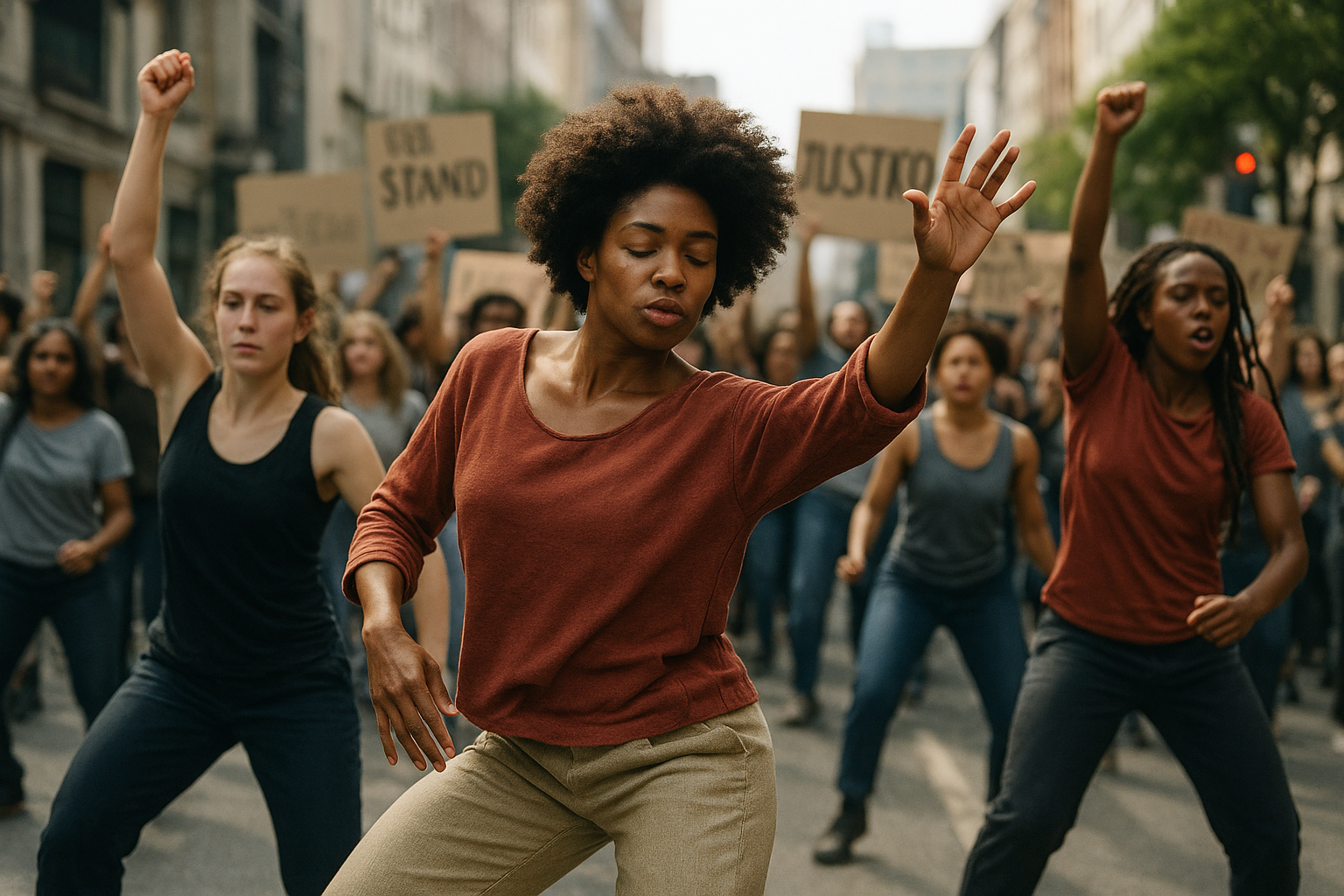
The fusion of dance and activism is not a new phenomenon, but in the 21st century, this relationship has blossomed into a compelling force for social change. Dance, with its powerful storytelling and emotive capacity, has become a tool for protest, awareness, and unity across the globe. From large-scale performances to intimate solo acts, dancers are shedding light on critical issues that affect our societies.
Dance as a Platform for Social Justice
Dance transcends language barriers, offering a universal platform to address injustices. In recent years, movements such as Black Lives Matter have seen dancers using their art to protest police brutality and systemic racism. Choreographers like Camille A. Brown, known for her work that “reclaims cultural narratives of African American identity”, have been pivotal in these efforts. According to The New York Times, Brown’s works provide “a platform for healing and empowerment and a call to action against injustice.”
Environmental Awareness through Dance
The environmental crisis has inspired countless dance projects aimed at raising awareness. A significant example is the Dance for the Climate initiative, which uses performances to highlight issues related to global warming and sustainability. Dancers collaborate with environmental groups to create visually stunning presentations that emphasize the urgent need for action against climate change.
“Dance can have an enormous impact on how we process and understand the world around us. In its most profound moments, it forces us to confront difficult realities, from ecological devastation to human rights abuses,” said Dr. Katherine Zubko, author of Yoga and Buddhism in the International Marketplace (source: University Archives).
Empowerment and Community Building
Community dance projects have been instrumental in fostering empowerment and solidarity. Take, for example, the work of Liz Lerman, who has engaged communities by incorporating local stories and histories into her dance performances. Her projects often bring together diverse groups of people, offering an inclusive space for collective expression and healing.
Moreover, initiatives like Dancing Grounds in New Orleans engage youth and adults alike in building strong, resilient communities through dance. They emphasize inclusivity, offering workshops and performances that address topics such as body image, gender identity, and political engagement.
Technological Innovations in Dance Activism
In the digital age, technology has expanded the reach and influence of dance activism. Social media platforms like Instagram and TikTok are rife with viral dance challenges that often carry socio-political messages. The #DanceActivism hashtag has grown significantly, with dancers from around the world sharing their performances and drawing attention to their causes.
- #DanceForRefugees – An initiative raising awareness and support for displaced individuals worldwide.
- #EndViolenceThroughDance – A movement highlighting the global fight against gender-based violence.
Technology also facilitates online collaborations, allowing dancers and choreographers to create and share performances, despite geographic and cultural barriers. These digital connections help to bolster global solidarity, emphasizing that the fight for justice knows no borders.
The Challenges Ahead
While dance activism is a powerful force, it faces challenges. Funding limitations, political repression, and institutional barriers often hinder the full potential of dance as a medium for change. Moreover, there is a continuous struggle to maintain the balance between artistic expression and political messaging, ensuring that performances remain authentic and impactful.
Nonetheless, organizations and individuals continue to push boundaries, creating space for dance to not only survive but thrive as a form of activism in the 21st century. With each step, twist, and leap, dancers lay the groundwork for conversations that propel societies towards equity and justice.
Conclusion
Dance, in its myriad forms, remains a vital vehicle for activism in the modern era. By connecting emotionally with audiences, fostering community ties, and embracing technological advances, dancers are more equipped than ever to bring about real, tangible change. As we move further into the 21st century, dance will undoubtedly continue to enkindle dialogue, inspire action, and remind us of the shared humanity that defines our collective steps toward a better future.