
Tag: capturing

  • The Paradox of Permanence: Capturing the Fleeting in Still Images

    The Paradox of Permanence: Capturing the Fleeting in Still Images

    Photography is often described as the art of capturing a moment in time. Yet, there lies an inherent paradox in the medium: the more we strive to preserve the transient, the more its ephemeral nature eludes us. This dichotomy between permanence and transience gives photography its profound depth and magnetic allure.

    “Photography takes an instant out of time, altering life by holding it still.” – Dorothea Lange

    This quote by renowned photographer Dorothea Lange encapsulates the delicate dance between the fleeting and the fixed. The very act of taking a photograph is an attempt to crystallize a moment that has already begun to slip away.

    Photography: A Testament to Time

    Photography, unlike other art forms, holds the unique ability to freeze time. Each photograph is a testament to a single fraction of a second, a glimpse into the past that can evoke memories and emotions long after the moment has passed. This act of preservation is both powerful and poignant, as it immortalizes the impermanent.

    • Historical Significance: Photographs often serve as historical documents, preserving the cultural and social milieu of an era.
    • Emotional Resonance: They capture emotions and expressions that might otherwise be forgotten or overlooked.

    The Fleeting vs. The Forever

    The paradox of permanence in photography goes beyond just capturing life; it interrogates our perception of reality and memory. Every image is inherently constructed, influenced by the photographer’s intent, angles, and the captured subject’s positioning. David Hockney once noted, “All painting is drawing, and all drawing is putting down lines around ideas.”

    In a digital age where images can be endlessly altered and reproduced, the lines between reality and representation blur further, challenging the notion of absolute permanence.

    • Digital Manipulation: With advancements in technology, photographs can be edited to such an extent that they may no longer truthfully represent the original moment.
    • Ephemeral Sharing: Social media platforms have transformed personal photography into a quick exchange of fleeting snippets rather than enduring keepsakes.

    The paradox, then, invites us to reflect on what we wish to capture and why. Does the photograph exist simply to recollect, or does it tell a story that endures beyond memory? Photography continues to intrigue with its dual power to both preserve and let slip away, embodying a delicate balance of the momentary and the eternal.

    Whether through the lens of nostalgia or artistry, the world of still images remains a domain where time stands still—even if just for the blink of a shutter.
  • Capturing the Unspeakable: Photography of Trauma and Healing

    Capturing the Unspeakable: Photography of Trauma and Healing

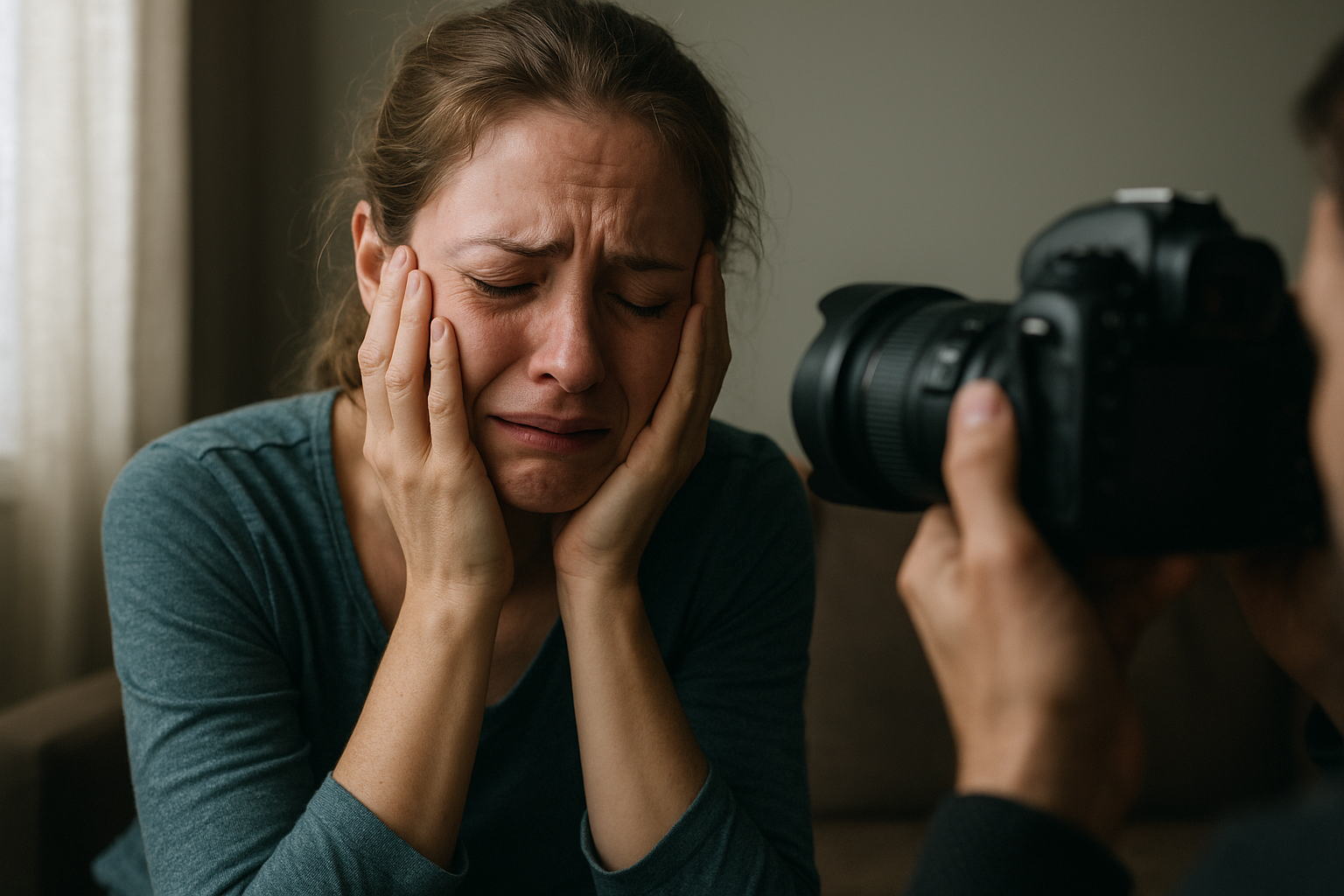
    Photography has long been a powerful medium for capturing the spectrum of human experience. Among its most profound roles is in depicting trauma and subsequent healing, offering both an outlet for expression and a tool for raising awareness. In arenas marked by conflict, personal loss, or collective suffering, photography provides a lens through which the unspeakable becomes tangible and ultimately, perhaps, a prompt for healing.

    The Power of Visual Testimony

    Photographs have the unique ability to tell stories that transcend language barriers, often communicating emotions too deep for words. They serve as visual testimonies that preserve and honor the pain of those who have endured devastation. Susan Sontag in her seminal work On Photography wrote, “Photographs are a way of imprisoning reality… One can’t possess reality, one can possess images—one can’t possess the present but one can possess the past.” This encapsulates how photography can capture moments of trauma that demand recognition and remembrance (New York Times).

    Fostering Empathy and Connection

    Images of trauma often evoke strong emotional responses, invoking empathy and spurring action. Photographers such as James Nachtwey, known for documenting war and famine, or Lynsey Addario, capturing the nuances of life in conflict zones, have used their craft to bridge gaps between disparate worlds. By bringing viewers face-to-face with the stark realities of suffering, these images can foster a sense of global empathy and urgency for change.

    Photography as a Healing Process

    Beyond raising awareness, photography can be an instrumental part of the healing process for both subjects and photographers themselves. Creating art from personal distress allows individuals to explore and perhaps transform their experiences of pain. In trauma therapy, the use of photography can help individuals process their narratives, creating a visual diary of recovery.

    “Photography opened my eyes, it healed me, it grounded me,” says Sheila Pree Bright, an acclaimed photographer whose work addresses identity and social injustices. Her projects often focus on underrepresented voices, providing platforms for stories that might otherwise remain untold.

    A Call for Ethical Engagement

    However, documenting trauma through photography comes with ethical considerations. Photographers must navigate the fine line between storytelling and exploitation, ensuring that dignity and context are prioritized over sensationalism. Ethically engaged photography demands respect for subjects’ stories and agency, aiming to empower them rather than reduce them to mere objects of spectacle.

    In conclusion, while photography of trauma and healing must be approached with sensitivity and ethical mindfulness, its impact in bearing witness to suffering and promoting empathy cannot be understated. Ultimately, these images foster a shared humanity, prompting viewers to recognize and act upon the often unspoken sufferings of our world.

  • Capturing the Ghost: Photography’s Hold on the Intangible

    Capturing the Ghost: Photography’s Hold on the Intangible

    Capturing the Ghost: Photography’s Hold on the Intangible

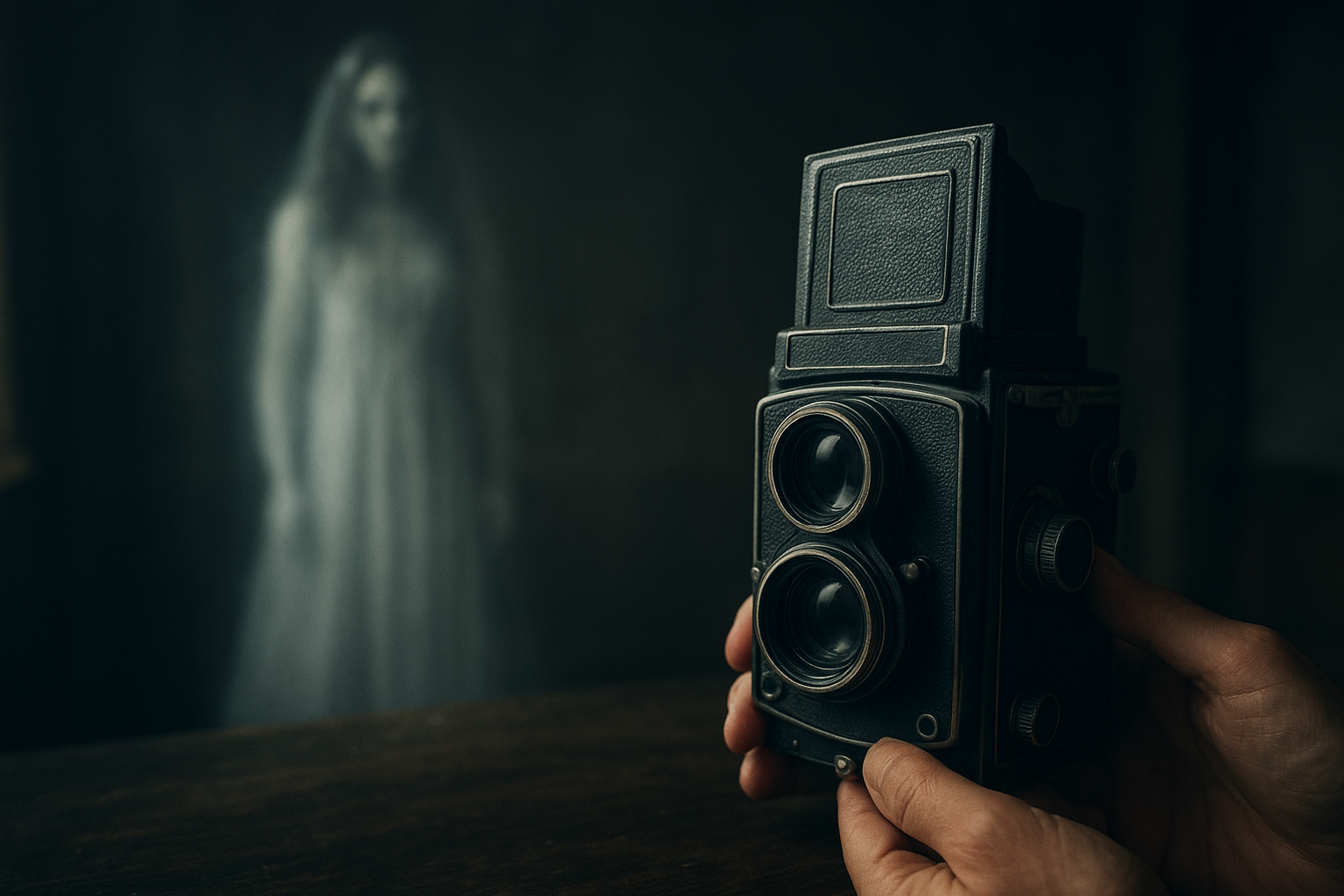
    In the realm of the supernatural, photography has long held a captivating allure. The idea that a camera might capture something beyond the physical realm is both intriguing and chilling. Throughout the history of photography, there have been claims and controversies surrounding the depiction of the ethereal, the unseen, and the intangible.

    The Early Days of Spirit Photography

    In the late 19th century, as photography burgeoned into a popular medium, it was swiftly adopted by those wishing to document the supernatural. William H. Mumler, one of the earliest known photographers to claim to capture ghosts, brought spirit photography to the public’s attention. According to the Smithsonian Magazine, Mumler accidentally discovered double exposure, which produced ghostly figures in his images. While skeptics quickly discredited him, many spiritualists embraced his photographs as evidence of the afterlife.

    Photography as a Tool for Mystery

    Today, while the art of spirit photography is often regarded with skepticism, its allure remains. Modern paranormal investigators continue to use cameras to explore the mysterious, employing everything from infrared imagery to high-speed film. However, the relationship between modern photography and the supernatural isn’t solely tethered to the investigative. It also inspires artists who explore themes of absence, presence, and the fleeting nature of existence.

    “Photographs can make us believe in things, but they can also be oracles. They can conjure memories, dreams, stories… The presence (or absence) of a figure in a photograph can summon a thousand unwritten words.” — Source: New York Times

    The Symbolic Power of the Unseen

    Photography’s power lies not only in its capacity to document what is in front of the lens but also in its ability to symbolize what is not. Using strategic absence and presence, photographers can evoke a sense of the intangible. Through techniques like long exposure or creative lighting, they hint at stories beyond the frame.

    As we continue to advance technologically, with tools like AI and digital enhancements, the line between capturing reality and creating illusion blurs further. Though science and skepticism guide our understanding of the world, the allure of the mystery—perhaps even the ghost in the photograph—persists.

    In the end, capturing the ghost through photography may not be about proving the unseen but rather about embracing the magical potential of what photography can evoke.