Tag: burnout

  • Why Rest Alone Doesn’t Cure Burnout

    Why Rest Alone Doesn’t Cure Burnout


    Why Rest Alone Doesn’t Cure Burnout

    Why Rest Alone Doesn’t Cure Burnout

    “Burnout doesn’t show up out of nowhere. It is a gradual process, hampered by society’s definition of success that equates productivity with personal worth.” – Emily and Amelia Nagoski, authors of “Burnout: The Secret to Unlocking the Stress Cycle”

    Rest is essential for maintaining mental and physical health, but it doesn’t always provide a solution when dealing with burnout. Burnout, a state of emotional, mental, and physical exhaustion caused by prolonged stress, requires more than just rest to be addressed effectively.

    Understanding Burnout

    • Burnout is not simply feeling tired or stressed; it’s a chronic state of exhaustion that affects individuals emotionally, mentally, and physically.
    • It often occurs when people feel overwhelmed, under-resourced, and lacking control over their lives and work.

    The misconception of rest as a cure for burnout

    “When we’re exhausted, it can be tempting to retreat into isolation and take time off. But the problem is that when we’re burned out, our problems don’t go away – they just follow us.” – Sherry Cormier, professor emerita of psychology at the University of Nevada, Reno

    Rest can help to alleviate some symptoms of burnout and contribute to recovery. However, it is not a comprehensive solution. Burnout requires addressing the root causes, such as work overload, lack of control, or unsupportive environments, which often persist even during periods of rest.

    Addressing burnout effectively

    • Prioritize self-care and make time for activities that bring joy and relaxation.
    • Reach out to friends, family, or mental health professionals for support.
    • Advocate for changes in the workplace that promote work-life balance and reduce stress levels.

    Burnout is a complex issue that requires more than just rest to address. By understanding its causes, seeking help, and advocating for change, individuals can begin to overcome burnout and reclaim their well-being.
  • Meditation as Resistance to Burnout Culture

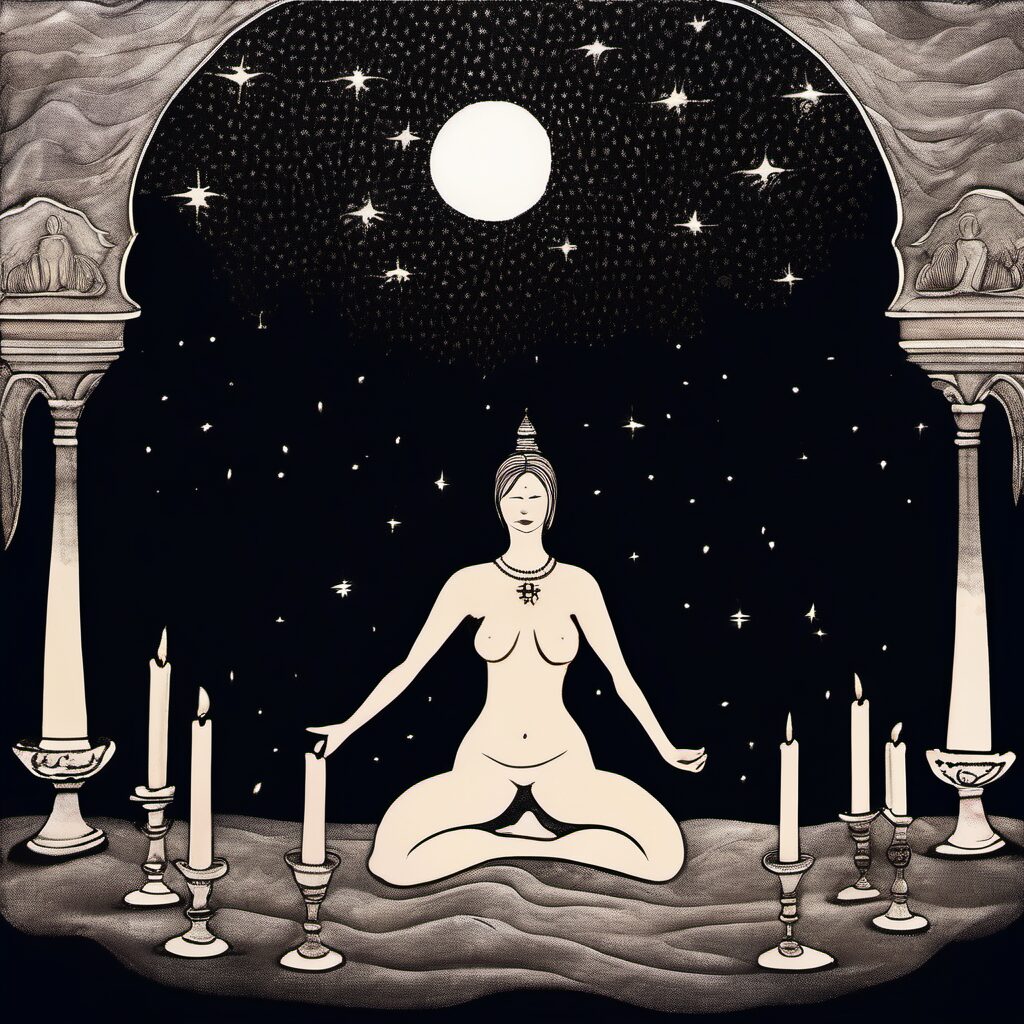
    Meditation as Resistance to Burnout Culture


    Meditation as Resistance to Burnout Culture

    Meditation as Resistance to Burnout Culture

    “In the pursuit of constant productivity, we often forget to take care of our minds and bodies. This relentless drive can lead to burnout, a state of emotional, physical, and mental exhaustion.” – World Health Organization

    In today’s fast-paced society, the concept of burnout has become increasingly prevalent. As we strive for success and productivity, it is essential to find ways to counterbalance the stressors that come with this lifestyle. One such method is meditation.

    The Power of Meditation

    Meditation, a practice dating back thousands of years, offers a means to combat burnout by promoting mental clarity and emotional balance. By focusing on the present moment, individuals can reduce anxiety, improve focus, and foster a sense of calmness.

    “Meditation has been shown to significantly decrease stress levels and improve overall well-being.” – Harvard Medical School

    Integrating Meditation into Daily Life

    Integrating meditation into one’s daily routine can be a simple yet powerful tool for resisting burnout. Here are a few steps to help you get started:

    • Find a quiet space: A peaceful environment helps to minimize distractions and promote focus.
    • Choose a time: Schedule a regular meditation session that works best for your lifestyle, whether it’s in the morning, afternoon, or evening.
    • Set a duration: Start with short sessions (5-10 minutes) and gradually increase as you become more comfortable.
    • Find a technique: There are many meditation techniques available, such as mindfulness, loving-kindness, or body scan. Experiment to find the one that works best for you.

    A Sustainable Lifestyle

    By incorporating meditation into your daily life, you can cultivate a more balanced and sustainable approach to work, relationships, and personal well-being. Remember, it’s essential to prioritize self-care in order to resist burnout culture and lead a happier, healthier life.

  • Preventing Burnout by Redefining Success

    Preventing Burnout by Redefining Success


    Preventing Burnout by Redefining Success

    Preventing Burnout by Redefining Success

    “Success is not the key to happiness. Happiness is the key to success. If you love what you are doing, you will be successful.” – Albert Schweitzer

    In today’s fast-paced world, burnout has become a common issue among individuals striving for success. The relentless pursuit of achievement can often lead to exhaustion, stress, and decreased productivity. However, redefining our understanding of success can help prevent this vicious cycle.

    The Traditional Definition of Success

    For many, success is synonymous with wealth, power, and recognition. This conventional definition often leads to a never-ending race that can result in burnout.

    “Burnout is the extinction of motivation or engagement in tasks that were once source of satisfaction, inspiration, and enthusiasm.” – Christina Maslach, a leading researcher on burnout.

    Redefining Success

    To prevent burnout, it is essential to redefine success in a more balanced and fulfilling manner. Here are some ways to do so:

    • Prioritize work-life balance: Recognize that personal life and well-being are just as important as professional achievements.
    • Set realistic goals: Achievable goals promote motivation and reduce the risk of burnout.
    • Find meaning in work: Engage in tasks that provide personal satisfaction, rather than solely focusing on external rewards.

    “The best way to find yourself is to lose yourself in the service of others.” – Mahatma Gandhi

    Finding Balance and Inner Peace

    By redefining success and adopting a balanced approach to life, one can achieve inner peace and prevent burnout. It is essential to remember that true success comes from within, and it is never too late to make positive changes for a happier, healthier, and more fulfilling life.

  • Burnout and the Crisis of Modern Identity

    Burnout and the Crisis of Modern Identity


    Burnout and the Crisis of Modern Identity

    Burnout and the Crisis of Modern Identity

    “The high priestess of burnout,” as Anna Quindlen once described herself, has become a common figure in today’s society. The relentless pursuit of productivity and success has led to an epidemic of burnout among individuals worldwide.

    Anna Quindlen, author and journalist

    In the era of constant connectivity and information overload, it is no wonder that the concept of ‘burnout’ has gained significant traction.

    Symptoms and Causes

    • Emotional exhaustion: feelings of chronic fatigue, irritability, or helplessness
    • Alienation from work: a loss of personal accomplishment and a decline in performance
    • Reduced sense of personal accomplishment: feelings of failure and self-doubt

    Burnout is often the result of prolonged exposure to work-related stressors, such as unmanageable workloads, lack of control over one’s work, or insufficient rewards for efforts. In addition, the blurring of boundaries between work and personal life exacerbates these issues.

    The Crisis of Modern Identity

    “What we have come to understand as burnout is not just exhaustion; it’s a state of chronic spiritual emergency.”

    Dr. Herbert J. Moller, psychologist

    Modern identity, in part, has been shaped by the need to define ourselves through our work and productivity. As a result, burnout can lead to feelings of loss or crisis of self-worth.

    Mitigating Burnout

    To combat burnout, it is essential to adopt healthy coping strategies such as setting boundaries between work and personal life, practicing mindfulness, and seeking support from family, friends, or mental health professionals.

    “Take care of yourselves. Protect yourselves from this culture that is killing you.”

    Christina Fichtner, author of “The Burnout Group”

  • Burnout Prevention Is a Daily Practice, Not a Vacation

    Burnout Prevention Is a Daily Practice, Not a Vacation


    Burnout Prevention Is a Daily Practice, Not a Vacation

    Burnout Prevention Is a Daily Practice, Not a Vacation

    “The best thing for the inside of a man is the outside of a horse.” – Ralph Waldo Emerson

    In today’s fast-paced world, burnout has become a common issue among professionals. However, a much-needed vacation might not always be the solution.

    Daily Routine as a Shield Against Burnout

    • Mindfulness: Start your day with mindfulness exercises to maintain mental clarity and focus throughout the day.
    • Regular Breaks: Short breaks every hour can help reduce stress and increase productivity.
    • Healthy Lifestyle: Regular exercise, balanced diet, and adequate sleep are essential for maintaining energy levels.

    The Importance of Work-Life Balance

    It’s crucial to create a healthy separation between work and personal life. Engaging in hobbies, spending time with loved ones, and taking time off can prevent burnout and promote overall well-being.

    “Don’t let your fires go out, keeping your imagination fan burning brightly, feeding it tilted wick of feeding dreams.” – Steve Jobs

    Seek Support and Encouragement

    Whether it’s a mentor, coach, or peer, having someone to confide in can provide valuable insights and help manage stress more effectively.

    Remember, burnout prevention is a continuous journey, not a destination. By incorporating these practices into your daily life, you’ll be better equipped to handle the challenges that come your way.

  • Emotional Burnout vs Physical Burnout: Knowing the Difference

    Emotional Burnout vs Physical Burnout: Knowing the Difference


    Emotional Burnout vs Physical Burnout: Knowing the Difference

    Emotional Burnout vs Physical Burnout: Knowing the Difference

    “Burnout is not simply a state of chronic stress or exhaustion. It’s a psychological, emotional, and often physical crisis.” – Dr. Christina Maslach

    Both emotional burnout and physical burnout are common experiences in today’s fast-paced world. However, understanding the differences between these two states can help individuals take better care of their mental and physical health.

    Emotional Burnout

    • Long-term stress: Emotional burnout often results from prolonged exposure to emotional stressors, such as work-related pressure or personal problems.
    • Emotional exhaustion: Individuals may experience feelings of exhaustion, cynicism, and detachment from their work or relationships.
    • Reduced productivity: Emotional burnout can lead to decreased motivation and a lack of focus, resulting in reduced performance at work or school.

    Physical Burnout

    • Fatigue: Physical burnout often manifests as persistent fatigue and a lack of energy.
    • Injuries and illnesses: Continuous stress can weaken the immune system, making individuals more susceptible to injuries, infections, and chronic health conditions.
    • Poor sleep quality: Burnout may lead to disturbed sleeping patterns, making it difficult for the body to recover and heal.

    Prevention and Recovery

    Preventing and recovering from burnout requires a holistic approach that addresses both emotional and physical well-being. Some strategies include: practicing mindfulness, setting boundaries, maintaining a healthy work-life balance, exercising regularly, eating nutritious foods, seeking support from friends, family, or professionals, and taking time for self-care and relaxation.

    “Take care of your body with steadiness and watch the cells begin to sing the songs they were sick of not singing.” – Kahlil Gibran

  • Burnout Is Not Laziness: It’s a Nervous System Injury

    Burnout Is Not Laziness: It’s a Nervous System Injury


    Burnout Is Not Laziness: It’s a Nervous System Injury

    Burnout Is Not Laziness: It’s a Nervous System Injury

    In today’s fast-paced world, the term ‘burnout’ has become increasingly common. However, many people misunderstand it as mere laziness or weakness. This article aims to debunk this misconception by exploring burnout as a serious issue affecting countless individuals worldwide.

    “Burnout is not simply exhaustion. It’s a state of emotional, mental, and physical collapse caused by prolonged stress and lack of coping resources.” – Dr. Herbert J. Freudenberger, Psychologist (Source)

    Understanding Burnout

    Burnout is a syndrome that develops as a response to chronic emotional stress. It’s characterized by feelings of exhaustion, cynicism, and reduced efficacy. Unlike regular fatigue, burnout persists long after the initial stressor has been removed.

    “Burnout isn’t just something you get over on your own — it requires a system-level response.” – Dr. Christina Maslach, Psychologist (Source)

    Recognizing Burnout Symptoms

    • Exhaustion: Individuals experiencing burnout often report feeling constantly drained, even after adequate rest.
    • Detachment: They may feel emotionally detached from their jobs or activities they once enjoyed.
    • Reduced Efficiency: Burnout can lead to a significant decline in productivity and job satisfaction.

    Preventing and Overcoming Burnout

    To prevent burnout, it’s crucial to maintain a healthy work-life balance, practice self-care, and seek support when needed. If you’re already experiencing burnout, consider reaching out to a mental health professional for guidance.

    “It’s not about finding the right work-life balance; it’s about creating a life you don’t need to escape from.” – Matthew McConnaughey (Source)

  • Healing Burnout by Remembering Who You Are

    Healing Burnout by Remembering Who You Are


    Healing Burnout by Remembering Who You Are

    Healing Burnout by Remembering Who You Are

    In the fast-paced world we live in, burnout is a common issue that many individuals face. It’s essential to understand that healing starts with reconnecting with oneself, as emphasized by the ancient wisdom of mythology.

    “To find yourself, think for yourself.” – Socrates

    The Hero’s Journey: A Path to Self-Discovery

    One of the most famous journeys in mythology is Joseph Campbell’s concept of The Hero’s Journey. This narrative arc represents a hero’s quest and eventual return, often with newfound self-awareness.

    • Separation: The hero leaves the comfort of their ordinary world, embarking on their journey towards self-discovery.
    • Initiation: The hero faces trials and learns valuable lessons that help them grow and transform.
    • Return: The hero returns home, having gained wisdom and a deeper understanding of themselves and their place in the world.

    Mythological Figures Overcoming Burnout

    Many mythological figures have faced burnout and emerged stronger through self-discovery. One such example is Persephone, the queen of the underworld.

    “Though she was held captive in the underworld, her story shows that even in the darkest times, one can find strength and eventually return to the light.” – Unknown

  • Exercise for Burnout Is Not About Pushing Harder

    Exercise for Burnout Is Not About Pushing Harder


    Exercise for Burnout Is Not About Pushing Harder

    Exercise for Burnout Is Not About Pushing Harder

    In today’s fast-paced world, the concept of burnout has become increasingly common. Many people believe that intense exercise can help alleviate this state of chronic stress and exhaustion. However, a counterintuitive approach might be more effective: relaxation through exercise instead of pushing harder.

    “Exercise is really just a tool to allow us to relax deeply.” – Dr. Kelly Starrett, founder of MobilityWOD

    • Mindfulness: Focusing on the present moment during exercise can help reduce stress levels and promote mental clarity. By becoming aware of your body’s movements and breathing patterns, you allow yourself to connect with your workout in a more mindful way.
    • Low-Impact Exercises: High-intensity workouts can often exacerbate burnout due to their physical and mental demands. Opting for low-impact exercises, such as yoga, swimming, or cycling, allows you to enjoy the benefits of exercise without causing additional stress on your body.
    • Progressive Muscle Relaxation: This technique involves tensing and then releasing each muscle group throughout your body, promoting a state of deep relaxation. By incorporating this method into your workout routine, you can counteract the effects of burnout and improve overall well-being.

    “The opposite of burnout is not just exhaustion. It’s creatively spent and emotionally alive.” – Dr. Havi Carel, philosopher

    Remember that exercise should be a source of rejuvenation rather than another stressor in your life. By focusing on mindfulness, low-impact exercises, and progressive muscle relaxation, you can effectively combat burnout and embrace the transformative power of physical activity.

  • Burnout Recovery Is a Whole-Life Redesign

    Burnout Recovery Is a Whole-Life Redesign


    Burnout Recovery Is a Whole-Life Redesign

    Burnout Recovery Is a Whole-Life Redesign

    “Recovering from burnout isn’t just about taking a break or managing stress levels – it’s about redesigning your whole life.”
    Dr. Christina Maslach, a researcher specializing in work burnout

    Understanding Burnout

    Burnout is a state of emotional, mental, and physical exhaustion caused by excessive and prolonged stress. It often occurs in people who have demanding jobs or high-stress lifestyles.

    The Importance of Whole-Life Redesign

    Recovering from burnout requires addressing the root causes, which may be deep-seated in personal and professional life. This redesign process involves identifying unhealthy patterns, setting boundaries, and creating a balance that promotes well-being.

    Steps to Whole-Life Redesign

    • Identify stressors: Determine the sources of your stress and identify any unhealthy patterns or habits that contribute to burnout.
    • Set boundaries: Learn to say no, prioritize self-care, and establish clear work-life balance boundaries.
    • Practice mindfulness: Incorporate mindfulness practices such as meditation, yoga, or journaling to manage stress and promote mental clarity.
    • Seek support: Connect with friends, family, or mental health professionals for emotional support during your recovery process.

    Resources for Burnout Recovery

    For more information on burnout and recovery strategies, consider the following resources: