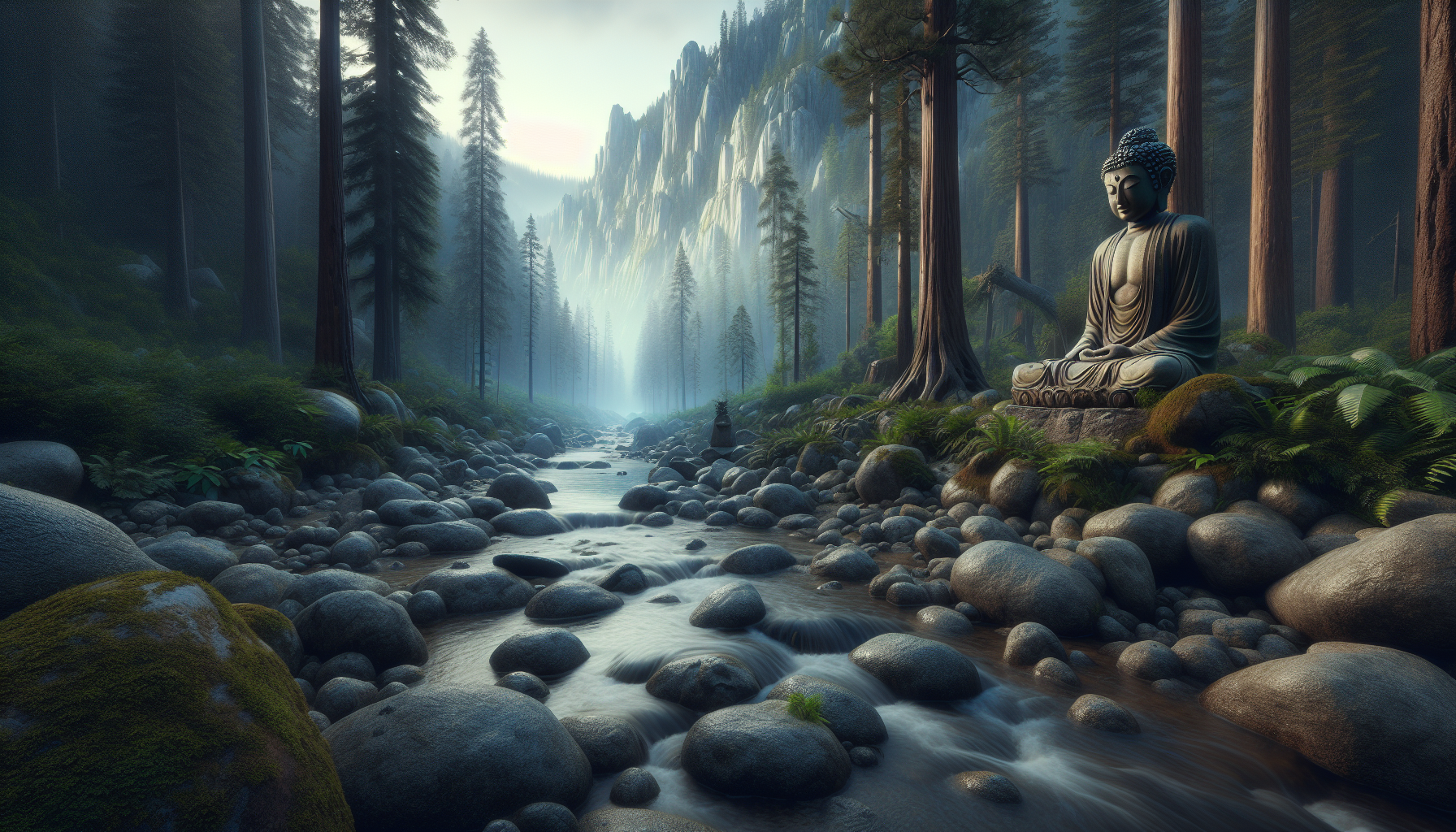
Desert Dharma: Embracing Buddhist Practices in Arid Landscapes
The desert might not be the first place that comes to mind when thinking of Buddhism. However, the synergy between the stark, serene landscapes of arid regions and the meditative practices of Buddhism is a powerful one. The quietude and expansiveness of deserts make them an ideal backdrop for spiritual exploration and mindfulness.
An Unlikely Harmony
Deserts, with their vast emptiness, offer a unique space for introspection. While traditional Buddhist practices often take place in lush, temple-laden settings, the minimalism of a desert can foster a deep connection with one’s inner self.
According to Lion’s Roar, “The desert’s stillness and silence provide the perfect conditions for meditation, allowing practitioners to delve deeply into their thoughts and emotions.” This notion speaks to the heart of what many spiritual seekers aim to achieve: a profound journey into the self, uninterrupted by the distractions of more populated environments.
Desert Retreats: A Growing Trend
In recent years, spiritual retreats in desert locations have gained popularity. Places like Joshua Tree in California and the expanses of New Mexico offer retreats that combine traditional Buddhist teachings with the unique attributes of the desert.
- Joshua Tree, California: Known for its vast, otherworldly landscapes, Joshua Tree has become a hub for spiritual retreats. The integration of Buddhist meditation teaches people how to cultivate mindfulness amidst the natural beauty of the arid land.
- Taos, New Mexico: Taos has become a center for alternative spiritual practices, including deserts that cradle Buddhist enclaves focused on mindfulness and Vipassana meditation.
These retreats often feature a blend of structured meditation sessions, dharma talks, and opportunities to explore the desert, creating a holistic experience that nurtures both body and spirit.
The Spiritual Significance of Deserts
Throughout history, deserts have been seen as places of transformation. In many cultures, they are viewed as spiritual crucibles where individuals can experience profound personal growth and insight.
Matthew Capacci, a well-known spiritual writer, notes in his book “Desert Dharma”, “Deserts challenge and cleanse the soul, stripping away the unessential until only the truth remains.” This purification process resonates deeply with Buddhist teachings, which emphasize letting go of attachments and illusions.
Practicing Mindfulness Amidst the Sands
Buddhist practices in desert settings often involve using the natural environment as a meditation tool. The act of walking slowly across sand dunes, for example, becomes a practice in mindful movement.
The pairing of barren landscapes with meditation grounds people in the present moment. Each step on the warm sand becomes a meditation on balance and presence.
- Mindful Walking: Utilizing the desert’s sparsity, practitioners engage in walking meditations that emphasize every footfall as a reminder of staying grounded and aware.
- Silence Retreats: The natural silence of the desert enriches silent retreats, supporting the practice of noble silence and deep introspection.
These practices offer a tangible connection to the earth and allow individuals to embody principles of impermanence and acceptance, crucial aspects of Buddhist teachings.
Challenges in the Arid Environment
While deserts offer unique opportunities for spiritual practices, they are not without their challenges. The extremes in temperature and the harshness of the environment require preparation and respect. Practitioners must balance spiritual pursuits with the practical necessities of staying hydrated and protected from the elements.
“A retreat in the desert demands resilience and adaptability, reflecting the spiritual challenges of life and the need for balance,” notes Sophia Novak, a mindfulness coach and desert retreat facilitator.
Such environments test the practitioner’s ability to remain centered and calm under pressure, an invaluable skill in both spiritual and everyday contexts.
The Future of Desert Dharma
As interest in mindfulness and alternative spirituality continues to grow, desert dharma presents a compelling option for those looking to deepen their practice. The unique combination of landscape and philosophy offers a one-of-a-kind experience that can be both profound and life-changing.
In a world overwhelmed by noise and haste, the call of the desert is a call to slow down, step back, and find serenity within oneself. Whether for a seasoned Buddhist practitioner or a newcomer longing for peace, desert dharma provides a journey worth undertaking.