Tag: beauty

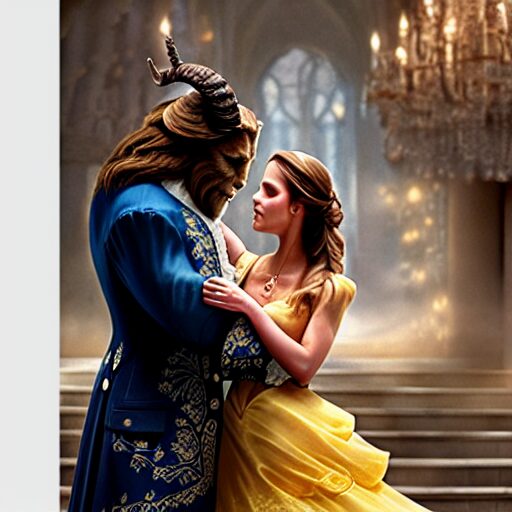
  • The Beauty and the Beast – Decoding the “Monstrous Bridegroom” trope.

    The Beauty and the Beast – Decoding the “Monstrous Bridegroom” trope.


    The Beauty and the Beast – Decoding the “Monstrous Bridegroom” trope

    The Beauty and the Beast: Decoding the “Monstrous Bridegroom” Trope

    The classic fairytale, “Beauty and the Beast,” is a captivating narrative that transcends generations. One of its most intriguing aspects is the trope of the “monstrous bridegroom.” This article delves into this compelling theme, exploring its origin, evolution, and significance in the story.

    The Origins of the Monstrous Bridegroom

    “There are two kinds of stories in this world: love stories and ghost stories. All other stories are variations on those two themes.” – Neil Gaiman

    The “Beauty and the Beast” folklore has roots dating back to ancient Greece, where it was known as Cupid and Psyche (Cupid and Psyché). However, it wasn’t until the 18th century that the modern interpretation of the tale emerged in Jeanne-Marie Leprince de Beaumont’s short novel. The “monstrous bridegroom” trope was firmly established in this version, where the Beast is a cursed prince and the love interest of Belle.

    The Evolution of the Monstrous Bridegroom

    Over time, adaptations of “Beauty and the Beast” have evolved to reflect societal changes. For instance, in Disney’s 1991 animated film, the Beast was reimagined as a more sympathetic character, emphasizing his humanity beneath the beastly exterior. This change reflected a shift in popular sentiment towards acceptance of those who appear different or ‘monstrous.’

    The Significance of the Monstrous Bridegroom

    The “monstrous bridegroom” trope serves several purposes within the story. Firstly, it offers a critique of superficial beauty, as Belle falls in love with the Beast for his kindness and character rather than his appearance. Secondly, it explores themes of transformation and redemption, as the Beast undergoes changes both internally and externally to win Belle’s heart.

    Conclusion

    The “monstrous bridegroom” trope in “Beauty and the Beast” offers a compelling exploration of love, acceptance, and transformation. Its enduring popularity underscores the timeless nature of these themes, making the story as relevant today as it was when first told centuries ago.

    Further Reading

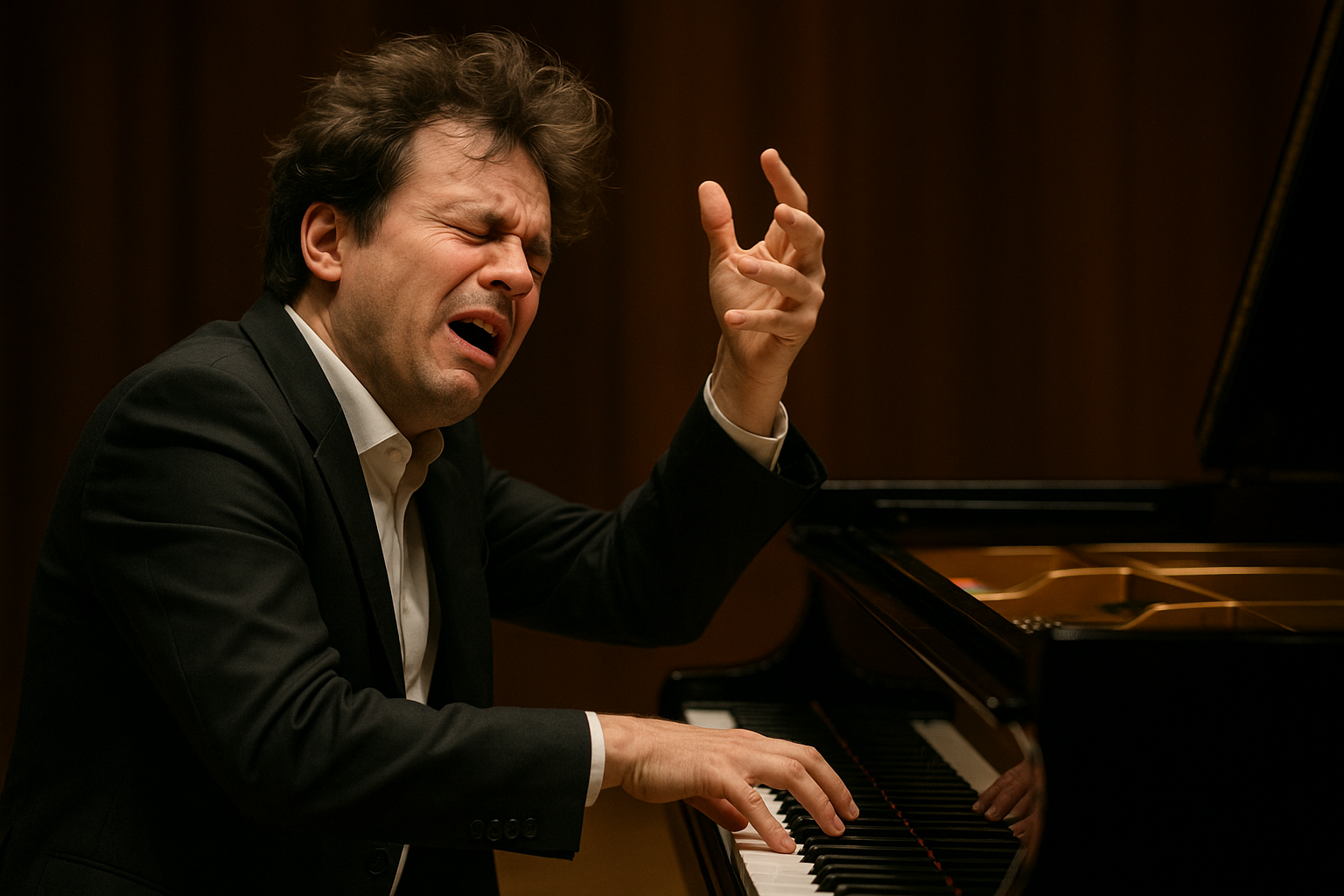
  • The Ecstasy of Error: Embracing Imperfection in Performance

    The Ecstasy of Error: Embracing Imperfection in Performance

    In the fast-paced world of performance, whether on stage, in sports arenas, or in corporate boardrooms, the pursuit of perfection often takes center stage. Yet, a growing chorus of voices is beginning to recognize the value of imperfection as a critical component of authentic and compelling performances. The ecstasy of error, a concept that celebrates mistakes as learning opportunities and catalysts for creativity, invites performers and audiences alike to redefine success and embrace the unexpected.

    The Beauty of Imperfection

    Throughout history, artists and thinkers have recognized the beauty inherent in imperfection. The Japanese concept of wabi-sabi venerates simplicity and the beauty of things incomplete or imperfect. As author Richard Powell puts it, “Wabi-sabi nurtures all that is authentic by acknowledging three simple realities: nothing lasts, nothing is finished, and nothing is perfect.”

    This philosophy is particularly pertinent in performances where spontaneity and human error inject authenticity and relatable vulnerability. Consider the timeless appeal of live music. Every concert is an opportunity for musicians to reinterpret their own work, perhaps hitting a wrong note or missing a cue, adding a unique, ephemeral quality to each performance. It is these imperfections that often render a performance memorable and genuine.

    The Science Behind the Mistake

    From a psychological standpoint, the fear of making mistakes is deeply ingrained in many of us. However, research suggests that making errors can actually stimulate learning processes. According to a study published in the Journal of Experimental Psychology, mistakes activate brain regions associated with learning and memory, suggesting that error-making is essential for growth and skill acquisition (APA Journal).

    “An error is not a stepping stone to a decision; it is a decision in itself,” states psychologist James Reason, emphasizing the reflective potential of errors.

    The performance arts are replete with examples of how mistakes lead to unexpected creative breakthroughs. Choreographer Crystal Pite advises her dancers to “keep your mistakes as gifts,” transforming potential missteps into new creative avenues.

    Case Studies in Error-Driven Innovation

    • Live Theatre: In the realm of live theatre, actors are trained to adapt to unforeseen circumstances such as forgotten lines or technical malfunctions. These improvisations often enrich performances, enchanting the audience with spontaneous comedy or drama that might be absent in a flawless rendition.
    • Sports: Athletes like Michael Jordan have achieved greatness by learning from their failures. In his own words, “I’ve missed more than 9,000 shots in my career. I’ve lost almost 300 games. 26 times, I’ve been trusted to take the game-winning shot and

  • The Documentary Sublime: Finding Beauty in the Mundane

    The Documentary Sublime: Finding Beauty in the Mundane

    In an era dominated by the extraordinary and the sensational, the documentary genre quietly asserts its power by revealing the beauty in the ordinary. This approach, often referred to as the “documentary sublime,” seeks to illuminate the extraordinary aspects of the mundane, transforming them into artful narratives that captivate and inspire.

    The Essence of the Documentary Sublime

    At its core, the documentary sublime is about finding the beauty in everyday life. By focusing on the seemingly trivial and overlooked aspects of our world, filmmakers uncover layers of meaning and emotion. This technique elevates ordinary scenes into captivating stories that resonate on a deeply human level. As filmmaker Werner Herzog once remarked, “The poetic, the cinematic sublime, is something that lies within the sensory(IndieWire).

    Techniques of the Sublime

    Several techniques are pivotal in achieving the documentary sublime:

    • Attention to Detail: A meticulous focus on details can transform the ordinary into something profound. Close-ups, slow-motion shots, and ambient sounds invite viewers to pause and appreciate the nuances of everyday moments.
    • Emphasis on Authenticity: By breaking away from the polished aesthetics of mainstream cinema, documentary filmmakers portray the raw and unfiltered aspects of life. This authenticity fosters a connection between the viewer and the subject.
    • Narrative Depth: Through careful storytelling, filmmakers delve into human experiences, emotions, and struggles. Even the simplest stories can become powerful narratives. “In the particular is contained the universal,” noted James Joyce, a principle many documentarians embrace.

    Examples of the Documentary Sublime

    Films like Honeyland and Leviathan exemplify the documentary sublime. Honeyland, directed by Tamara Kotevska and Ljubomir Stefanov, uses intimate storytelling and breathtaking cinematography to depict the life of a Turkish beekeeper in North Macedonia. It explores themes of environmentalism and cultural tradition, turning the protagonist’s simple life into a resonating narrative. Meanwhile, Leviathan employs avant-garde visuals to delve into the life of New England fishermen, offering a spellbinding view of a harsh, yet beautiful world above and below the sea.

    Conclusion

    Ultimately, the documentary sublime teaches us to appreciate the ordinary. It reminds us to find beauty in the rhythms of daily life, where every moment, no matter how monotonous, tells a story worth exploring. By capturing these narratives, the documentary sublime offers audiences a chance to reflect and find resonance in their own lives. In the words of filmmaker Ken Burns, “The common themes in our stories are the basic questions—who we are, what we are, where we are, and where we’re going(The New York Times).

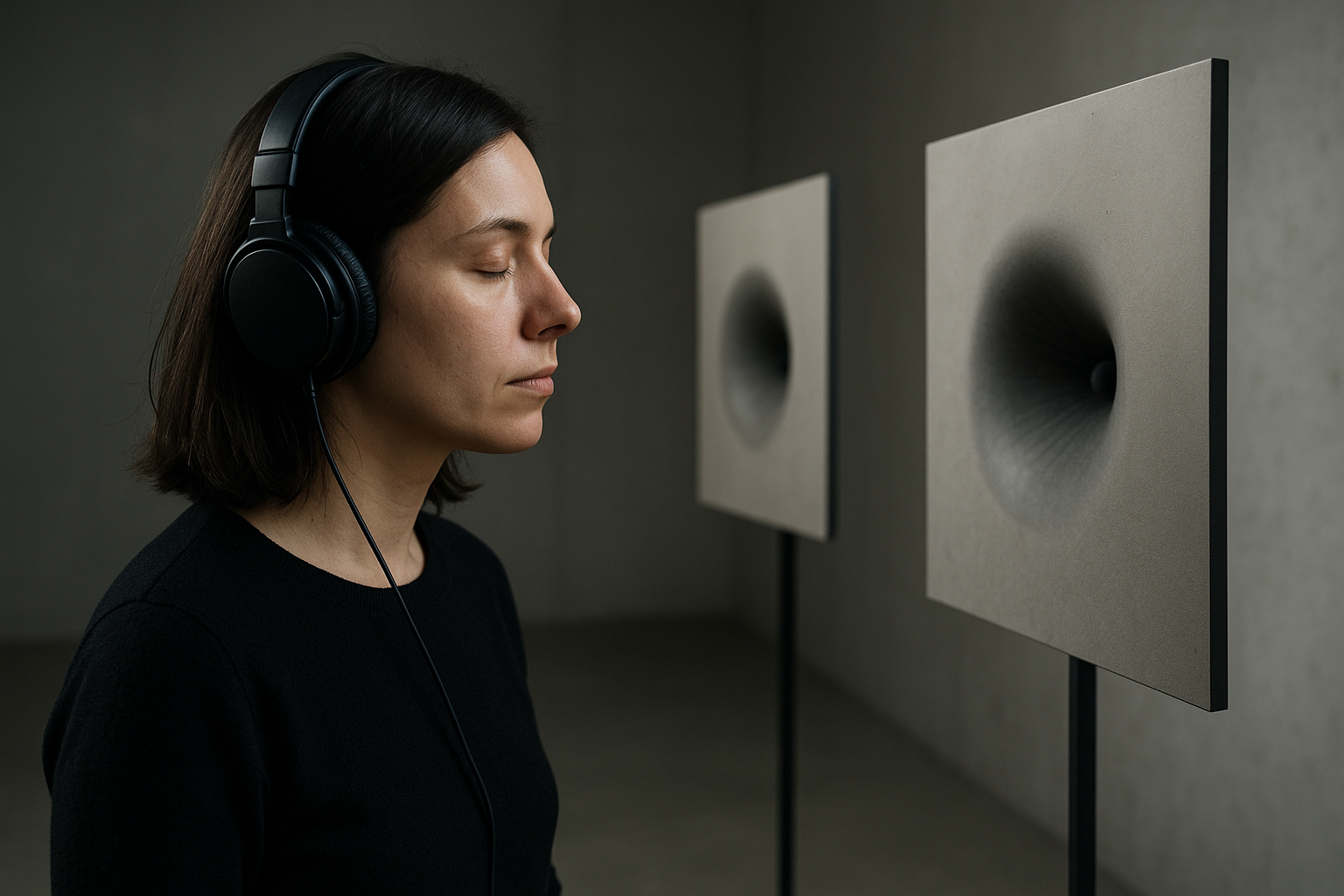
  • Dissonance and Discovery: New Forms in Auditory Art

    Dissonance and Discovery: New Forms in Auditory Art

    Auditory art, a realm where sound transcends traditional musical boundaries, has always been a dynamic field of exploration. In recent years, an exciting trend has emerged: the embrace of dissonance as a tool for discovery. Artists are harnessing the power of unconventional sound structures to challenge listeners and expand the auditory experience.

    The Nature of Dissonance

    Dissonance, often characterized by tension and instability in sound, breaks away from harmonious norms. While harmony aims to soothe and unify, dissonance provokes and incites a reaction. According to Encyclopaedia Britannica, dissonance “creates a sense of unrest,” paving the way for resolution or further exploration.

    Modern Auditory Explorations

    Contemporary auditory artists are increasingly incorporating dissonance as a critical component of their work, hoping to evoke deeper emotional responses from their audiences. These artists move beyond traditional melodies and rhythms to craft landscapes of sound that invite introspection.

    • Experimental Music: Musicians like John Zorn and Meredith Monk employ dissonance extensively. Monk, in particular, uses vocal techniques that challenge conventional tonal beauty, transforming voice into a multifaceted instrument.
    • Sound Installations: Sound installations leverage dissonance to engross audiences in new auditory worlds. Max Neuhaus’s “Times Square” plays with ambient noise, encouraging listeners to reconsider their acoustic environments.
    • Electronic Avant-Garde: Artists such as Aphex Twin and Autechre embrace the chaotic potential of electronic instruments, producing complex soundscapes that often defy traditional compositional logic.

    The Impact on Listeners

    Dissonance in auditory art invites listeners to move past mere consumerism and engage critically with what they hear. As Philip Ball notes in The Music Instinct: How Music Works and Why We Can’t Do Without It, “Dissonance challenges our brain, inviting us to use parts of perception that we often neglect” (Philip Ball).

    “There is no excellent beauty that hath not some strangeness in the proportion.” — Francis Bacon

    This historical perspective highlights the inherent beauty of dissonance, encouraging audiences to discover the aesthetics in what might initially seem jarring or unfamiliar.

    A Future of Sonic Innovation

    As auditory artists continue to experiment, the possibilities for innovation are boundless. By embracing the strange and unfamiliar, they not only redefine the limits of sound but also challenge cultural and emotional perceptions, leading us into uncharted auditory territories.

    Indeed, the journey through dissonance and discovery is not merely for artists but for all who are willing to listen and find beauty in the unexpected.