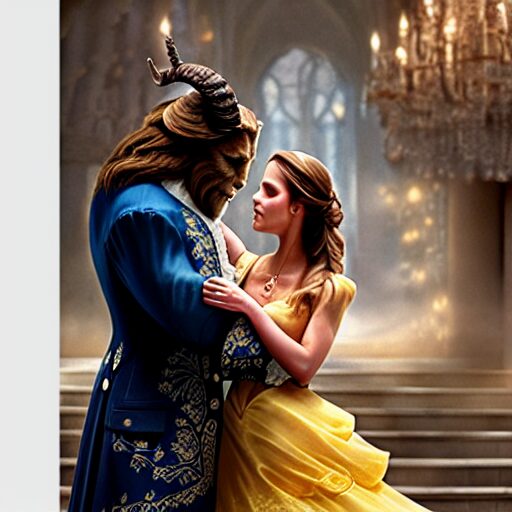
The Beauty and the Beast: Decoding the “Monstrous Bridegroom” Trope
The classic fairytale, “Beauty and the Beast,” is a captivating narrative that transcends generations. One of its most intriguing aspects is the trope of the “monstrous bridegroom.” This article delves into this compelling theme, exploring its origin, evolution, and significance in the story.
The Origins of the Monstrous Bridegroom
“There are two kinds of stories in this world: love stories and ghost stories. All other stories are variations on those two themes.” – Neil Gaiman
The “Beauty and the Beast” folklore has roots dating back to ancient Greece, where it was known as Cupid and Psyche (Cupid and Psyché). However, it wasn’t until the 18th century that the modern interpretation of the tale emerged in Jeanne-Marie Leprince de Beaumont’s short novel. The “monstrous bridegroom” trope was firmly established in this version, where the Beast is a cursed prince and the love interest of Belle.
The Evolution of the Monstrous Bridegroom
Over time, adaptations of “Beauty and the Beast” have evolved to reflect societal changes. For instance, in Disney’s 1991 animated film, the Beast was reimagined as a more sympathetic character, emphasizing his humanity beneath the beastly exterior. This change reflected a shift in popular sentiment towards acceptance of those who appear different or ‘monstrous.’
The Significance of the Monstrous Bridegroom
The “monstrous bridegroom” trope serves several purposes within the story. Firstly, it offers a critique of superficial beauty, as Belle falls in love with the Beast for his kindness and character rather than his appearance. Secondly, it explores themes of transformation and redemption, as the Beast undergoes changes both internally and externally to win Belle’s heart.
Conclusion
The “monstrous bridegroom” trope in “Beauty and the Beast” offers a compelling exploration of love, acceptance, and transformation. Its enduring popularity underscores the timeless nature of these themes, making the story as relevant today as it was when first told centuries ago.