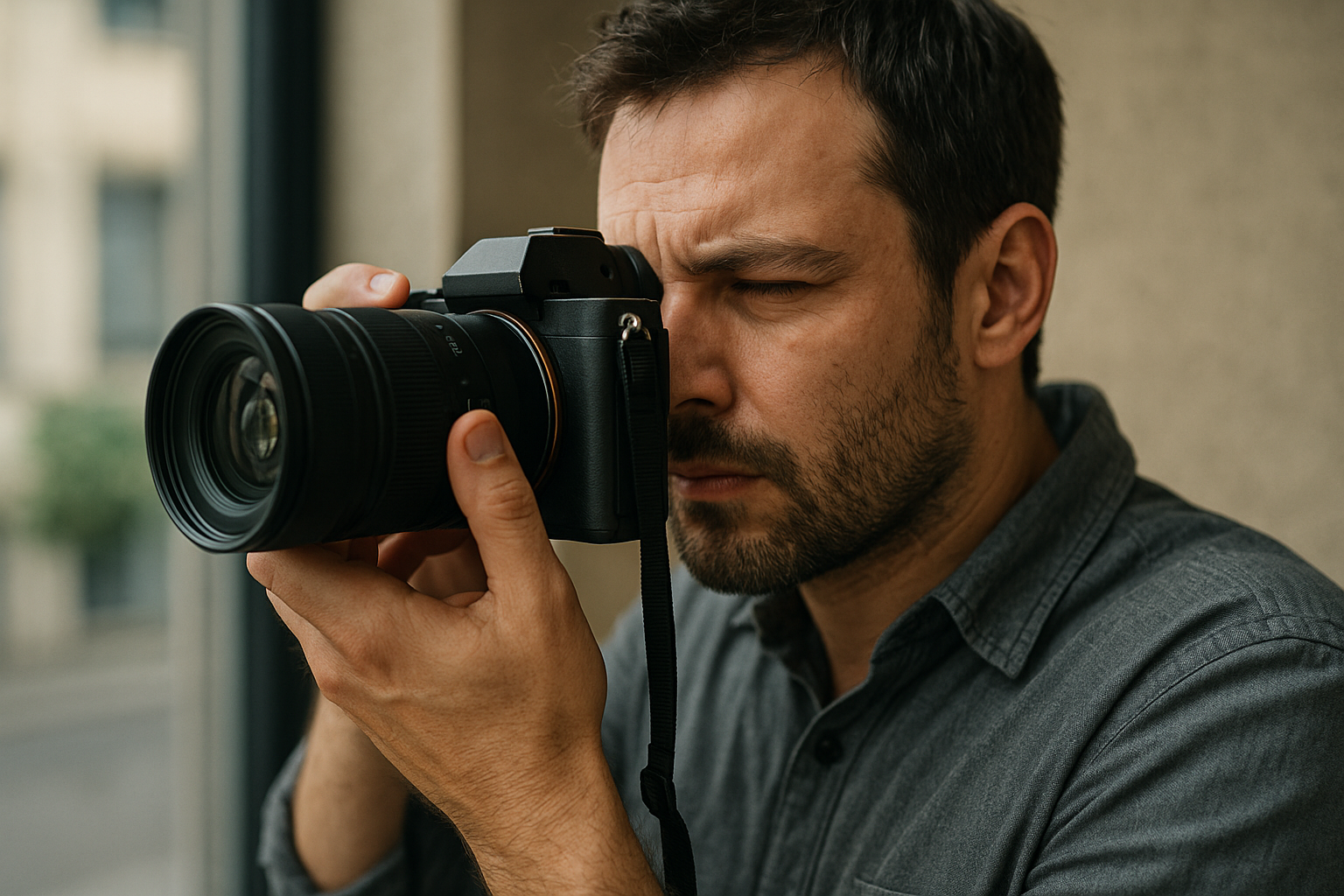
In an era where visual content inundates our digital spaces, photography stands at the crossroads of truth and manipulation. The authenticity of a photograph, once considered a faithful depiction of reality, is increasingly under scrutiny in the post-truth age. As technology evolves, so too do the tools that alter our perceptions of reality, casting doubt on the integrity of the photographic image.
The Historical Lens
Photography has long been revered for its ability to capture a moment in time, rendering the complex textures of life into still images. From the harrowing portraits of the Great Depression by Dorothea Lange to the indelible landscapes photographed by Ansel Adams, the camera was once considered a trustworthy witness.
“Photography takes an instant out of time, altering life by holding it still.” – Dorothea Lange
The Digital Revolution
The advent of digital technology has equipped photographers with sophisticated tools to enhance and manipulate images, leading to a new era of photography where the lines between reality and fiction blur. Digital editing software like Adobe Photoshop enables users to transform ordinary pictures into extraordinary fabrications, paving the way for innumerable creative possibilities, yet simultaneously raising ethical questions about authenticity.
The digital manipulation of images can range from simple color corrections to complete overhauls that create entirely new compositions. This leads to the pertinent question: when does alteration become deception?
Photographic Authenticity in the Post-Truth Era
In today’s post-truth society, where emotions and personal beliefs often overshadow objective facts, photography’s role as a purveyor of truth is increasingly complicated. Social media platforms amplify this issue, as images can be easily shared without context, sometimes being stripped of their original meaning. As noted by Errol Morris, a renowned filmmaker and author, “The problem with photographs is that they are so easily manipulated.”
Errol Morris’ work delves into the complexities of photography and truth-seeking, and emphasizes the personal responsibility of photographers to uphold honesty in their art.
Conclusion: Striking a Balance
While the post-truth era challenges the concept of authenticity in photography, it also presents an opportunity to explore the medium’s inherent subjectivity. Photographers may need to establish a tacit agreement with their audience, clearly delineating between reality, artistic interpretation, and outright manipulation.
As photography continues to evolve, it is imperative to consider how these images are created, shared, and perceived—ultimately striving to preserve the nucleus of truth that makes a photograph compelling.