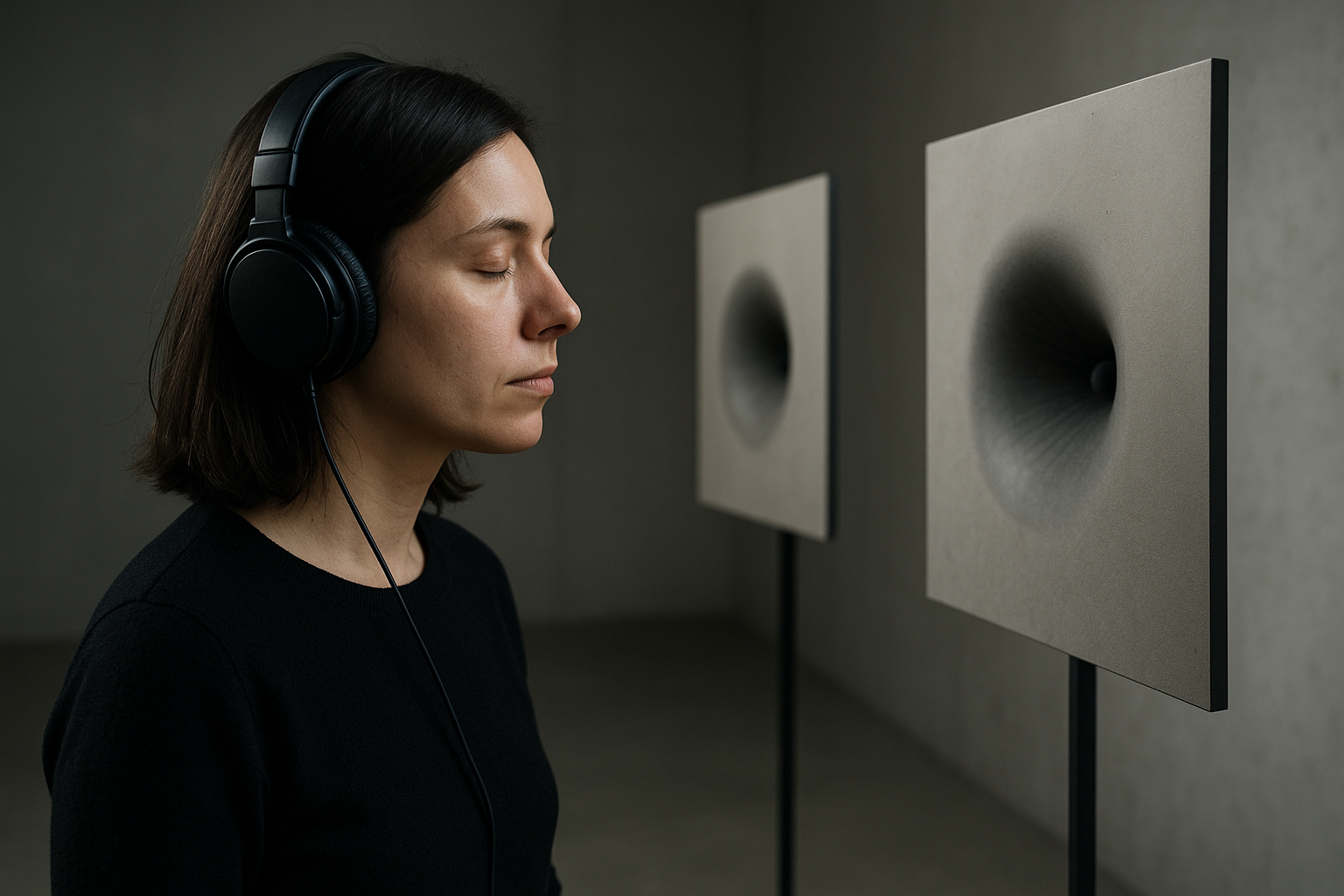
Auditory art, a realm where sound transcends traditional musical boundaries, has always been a dynamic field of exploration. In recent years, an exciting trend has emerged: the embrace of dissonance as a tool for discovery. Artists are harnessing the power of unconventional sound structures to challenge listeners and expand the auditory experience.
The Nature of Dissonance
Dissonance, often characterized by tension and instability in sound, breaks away from harmonious norms. While harmony aims to soothe and unify, dissonance provokes and incites a reaction. According to Encyclopaedia Britannica, dissonance “creates a sense of unrest,” paving the way for resolution or further exploration.
Modern Auditory Explorations
Contemporary auditory artists are increasingly incorporating dissonance as a critical component of their work, hoping to evoke deeper emotional responses from their audiences. These artists move beyond traditional melodies and rhythms to craft landscapes of sound that invite introspection.
- Experimental Music: Musicians like John Zorn and Meredith Monk employ dissonance extensively. Monk, in particular, uses vocal techniques that challenge conventional tonal beauty, transforming voice into a multifaceted instrument.
- Sound Installations: Sound installations leverage dissonance to engross audiences in new auditory worlds. Max Neuhaus’s “Times Square” plays with ambient noise, encouraging listeners to reconsider their acoustic environments.
- Electronic Avant-Garde: Artists such as Aphex Twin and Autechre embrace the chaotic potential of electronic instruments, producing complex soundscapes that often defy traditional compositional logic.
The Impact on Listeners
Dissonance in auditory art invites listeners to move past mere consumerism and engage critically with what they hear. As Philip Ball notes in The Music Instinct: How Music Works and Why We Can’t Do Without It, “Dissonance challenges our brain, inviting us to use parts of perception that we often neglect” (Philip Ball).
“There is no excellent beauty that hath not some strangeness in the proportion.” — Francis Bacon
This historical perspective highlights the inherent beauty of dissonance, encouraging audiences to discover the aesthetics in what might initially seem jarring or unfamiliar.
A Future of Sonic Innovation
As auditory artists continue to experiment, the possibilities for innovation are boundless. By embracing the strange and unfamiliar, they not only redefine the limits of sound but also challenge cultural and emotional perceptions, leading us into uncharted auditory territories.
Indeed, the journey through dissonance and discovery is not merely for artists but for all who are willing to listen and find beauty in the unexpected.