Tag: artists

  • The Canvas of Culture: Visual Art as Social Commentary

    The Canvas of Culture: Visual Art as Social Commentary

    Throughout history, visual art has served not only as a medium of aesthetic expression but also as a powerful tool for social commentary. Artists have used their craft to challenge societal norms, criticize political systems, and bring attention to social injustices. In doing so, art becomes a mirror reflecting the complexities of the cultural and political landscapes from which it emerges.

    The Historical Perspective

    From the politically charged works of Francisco Goya to the poignant murals of Diego Rivera, history provides a wealth of examples where art has influenced public consciousness. Goya’s The Third of May 1808, for instance, vividly captures the horrors of war and the brutal suppressions by Napoleon’s armies in Spain. Meanwhile, Rivera’s murals depict the struggles and victories of the working class, bringing light to issues of labor and inequality.

    “Artists play a vital role in exposing the gritty facets of the human experience. By doing so, they offer audiences a chance to engage with these themes critically, fostering a space where dialogue and change are possible.”
    Artsy Editorial

    Contemporary Reflections

    In the modern context, artists continue to utilize their work as a medium for commentary and change. The guerrilla art of Banksy, renowned for its satirical edge, underscores this dynamic. His work challenges notions of capitalism, authority, and consumerism, often provoking conversation on a global scale.

    Another profound example can be seen in the works of Ai Weiwei, whose installations and sculptures address themes of human rights and freedom of expression. Weiwei’s Remembering memorializes the thousands of children who died in the 2008 Sichuan earthquake, bringing attention to the corrupt construction practices that led to the tragedy.

    Art as a Catalyst for Change

    Visual art has the unique ability to transcend language barriers and evoke emotion, making it an effective means of inspiring action. The provocative nature of art compels viewers to confront uncomfortable truths and initiate dialogue. As society continues to evolve, the role of art as a commentator and catalyst for change remains indispensable.

    Ultimately, as described by Tate, social commentary art challenges audiences to reconsider their understanding of the world, encouraging reflection and progress. As we navigate the complexities of the modern age, the canvas of culture will undoubtedly continue to serve as a vibrant declaration of the human condition.

    Whether through a brushstroke or a graffiti tag, visual art will persist as a resonant force in the ongoing dialogue about society’s greatest challenges and triumphs.

  • Pixel Pilgrimages: Digital Art and the Quest for Meaning

    Pixel Pilgrimages: Digital Art and the Quest for Meaning

    In a world where technology constantly reshapes our daily existence, digital art emerges as a potent force in the search for personal and collective meaning. This new age of artistic expression, driven by the pixel, invites both creators and observers to embark on profound journeys of understanding and reflection.

    The Rise of Digital Art

    Digital art is not merely a modern incarnation of traditional forms; it is a unique medium that stands at the intersection of technology, creativity, and philosophy. As technology advances, artists have tools that allow for previously unimaginable exploration of color, form, and multimedia.

    “Digital design is like painting, except the paint never dries.” — Neville Brody

    This limitless potential has spurred artists to delve deeper into existential themes, turning pixels into a tool for pilgrimage—a journey into the soul and the mysteries of existence.

    Exploring Existential Themes

    Digital art, with its flexibility, allows for the exploration of complex themes such as identity, reality, and connection. As images and experiences are shared across the globe with just a click, artists and viewers alike engage in a dialogue about what it means to exist in an increasingly digital world.

    • Identity: Artists like JODI deconstruct the concept of identity by manipulating digital interfaces and systems, questioning the binaries of self and other, online and offline.
    • Reality: Virtual reality installations, such as those by Jonathan Monaghan, offer immersive experiences that challenge the boundaries between the digital and the real.
    • Connection: Video game art and interactive installations create shared spaces for audiences, fostering a sense of community and shared exploration.

    A New Spiritual Journey

    The incorporation of digital art into personal and communal rites of passage is akin to a spiritual journey, a merging of the physical with the virtual. It allows us to explore our innermost thoughts and the grand questions of life in a space unbounded by the limitations of the material world.

    “The virtual reality experience is not about the technology. It’s about the creation of meaning.” — Chris Milk

    As we continue to navigate the complexities of the digital age, art becomes a vehicle for meaning-making, a lens through which we can see and understand our place in the universe. Pixel pilgrimages are not merely technological journeys but spiritual ones—quests for truth, connection, and a deeper understanding of the human experience.

  • Seeing the Song: Visualizing Contemporary Musical Structures

    Seeing the Song: Visualizing Contemporary Musical Structures

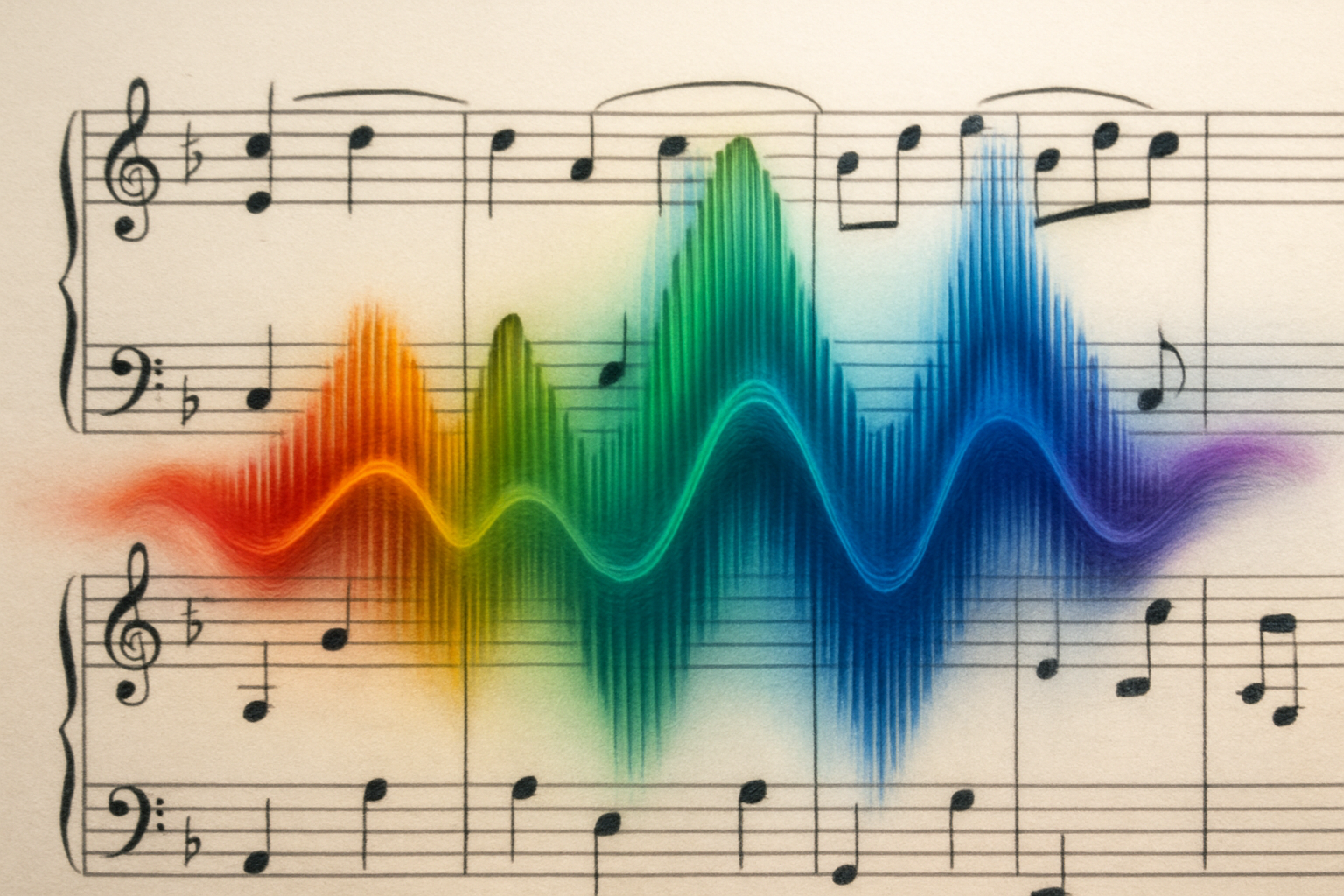
    The intersection of music and visual art has long been a subject of fascination and critical analysis. In recent years, the evolution of technology has transformed this convergence, allowing contemporary artists and scholars to visualize musical structures in innovative ways. This intriguing dialogue between sound and sight prompts us to explore how we can ‘see’ the song.

    The Evolution of Musical Visualization

    The concept of visualizing music isn’t new. Attempts date back to the Baroque period, where visual art attempted to capture the essence of musical compositions. These early endeavors mainly focused on allegorical representations. Fast forward to the 20th century, and we see a more structured approach with composers like Wassily Kandinsky and Paul Klee, whose paintings often sought to express musical elements through color and form.

    “Color is the keyboard, the eyes are the harmonies, the soul is the piano with many strings. The artist is the hand that plays, touching one key or another, to cause vibrations in the soul.” – Wassily Kandinsky

    Digital Revolution and New Media

    With the advent of digital technology, the visualization of music has taken on new dimensions. Consider the impact of computers and software that can analyze musical data and represent it visually. This technology allows artists and scientists alike to explore music in a spatial context, using visuals to reveal patterns and structures that were previously intangible.

    The Role of Software and Algorithms

    Programs like Adobe After Effects and Processing have become essential tools for artists. They allow for the translation of sound waves into intricate designs that move in synchrony with the music. For instance, sound visualization in interactive installations uses sound frequencies to drive animations, transforming the auditory experience into a visual journey.

    Data Sonification

    Data sonification is another captivating trend whereby numerical data is represented through sound, often producing surprising musical results. Conversely, transformations of this auditory data back into visual form have revealed new aesthetic possibilities.

    • The Music Animation Machine: This tool translates classical music into visual scrolling scores, providing a visual representation of music’s temporal and harmonic structure.
    • Visit Music Animation Machine

    Graphic Scores in Contemporary Composition

    Graphic scores push the boundary of traditional music notation. They often employ a combination of symbols, colors, lines, and images to signify musical gestures and characteristics. Pioneered by composers like John Cage and Morton Feldman, these scores are as much pieces of art as they are guides for performance.

    Graphic scores invite performers to interpret the visual cues, creating unique, often unpredictable musical experiences. This openness exemplifies the fluidity between visual and auditory experiences and challenges conventional notions of how music should be notated and perceived.

    The Interplay of Synesthesia

    Synesthesia adds an intriguing personal layer to the visualization of music. This neurological phenomenon occurs when stimulation of one sensory pathway leads to automatic, involuntary experiences in another. For some individuals, music induces the perception of colors or shapes. This remarkable condition has inspired many artists, including Kandinsky, who often used his synesthetic experiences as a foundation for his art.

    “For Kandinsky, color was a means of exerting a direct influence upon the soul… color could be used in a painting as something autonomous and apart from a visual description of an object or other form.” – National Library of Medicine

    Case Studies in Music Visualization

    • Brian Eno’s “77 Million Paintings”: A generative piece of software art that visualizes tonal clusters and ambient soundscapes through constantly evolving visual images.
    • Ryoji Ikeda’s “data.scan”: Uses raw data output visualized in a minimalistic, digital aesthetic to create a symphony of sight and sound.

    Both Eno and Ikeda push the conventional boundaries of performance, using technology to present music as both an acoustic and a visual phenomenon.

    Conclusion: Envisioning the Future

    The visualization of music not only enhances our sensory appreciation but also deepens our understanding of musical structure and intention. As technology continues to advance, it offers tantalizing possibilities for creative expression and cross-disciplinary collaboration between musicians, visual artists, and technologists.

    In embracing these intersections, we are led to reconsider the very nature of music—the universal language of sound—and its ability to transcend traditional forms to engage audiences more holistically. As we move forward, we are reminded of the profound connections between seeing and hearing as we learn to read, interpret, and appreciate music not only with our ears but with our eyes.

  • The Empty Space: Minimalism and Meaning in Contemporary Art

    The Empty Space: Minimalism and Meaning in Contemporary Art

    In the bustling world of contemporary art, where maximalist expressions often dominate, minimalism offers a refreshing retreat into simplicity and serenity. Emerging in the late 1950s as a response to abstract expressionism, minimalism focuses on the essence of art, stripping down to its fundamentals to explore space, form, and meaning.

    Minimalism is not just an artistic style but a philosophy that champions the idea that ‘less is more.’ Through its focus on simplicity and the reduction of clutter, minimalism encourages both artists and viewers to engage deeply with the artwork presented.

    “The essence of Minimalist art is its rejection of the idea that art should reflect the personal expression of the artist,” notes The Art Story.

    Key Characteristics of Minimalism

    • Reduction and Simplification: Minimalist art uses simple geometric shapes and monochromatic palettes to achieve clarity and focus.
    • Objective Over Subjective: The movement emphasizes objectivity, often eliminating any trace of the artist’s hand or emotion in the work.
    • Focus on Space: The use of empty space is deliberate, directing attention to the relationships between objects and their environment.

    Interpreting Meaning in Minimalism

    Interpreting meaning in minimalist art can be both challenging and rewarding. The lack of narrative and representational elements requires the viewer to actively participate in the experience. The space around and within a work becomes a medium of its own, inviting contemplation and introspection.

    Artists like Donald Judd, Agnes Martin, and Frank Stella, for example, used minimalism to explore concepts of perception and existence. As Frank Stella stated, “What you see is what you see.” This bold statement reflects the minimalist ethos of purity and directness, encouraging viewers to appreciate the work for its inherent qualities rather than any symbolic or emotional underpinnings.

    The Continuing Impact of Minimalism

    Minimalism has left an indelible mark not only on visual art but also on architecture, design, and lifestyle. As our lives become increasingly filled with information and sensory overload, the minimalist ethos has found renewed relevance. The aesthetic of simplicity, clarity, and purpose continues to influence contemporary artists and viewers alike, fostering a deeper connection with the world around us.

    In the ever-evolving dialogue of contemporary art, minimalism remains a potent reminder of the power of simplicity—the beauty of the empty space and the profound depth that can be found within.

  • The Artist’s Prayer: Finding Transcendence in Visual Creation

    The Artist’s Prayer: Finding Transcendence in Visual Creation

    The Artist’s Prayer: Finding Transcendence in Visual Creation

    The act of creation can often feel like a spiritual journey, a sacred endeavor that connects the artist to something greater than themselves. When words fail, visual art becomes a powerful form of transcendence, allowing both creator and observer to find deeper meaning in life. In this exploration, we delve into how art serves as a prayer, a meditation in motion, and a conduit for divine connection.

    The Spiritual Aspects of Art

    From cave paintings to modern installations, art has always been an intimate part of human spirituality. It reflects our inner worlds and our highest aspirations, acting as both a mirror and a window. For many artists, the process of creating is akin to prayer—a purposeful act of devotion and introspection.

    Marc Chagall, a prolific 20th-century artist, once expressed, “The dignity of the artist lies in his duty of keeping awake the sense of wonder in the world.” Chagall’s words encapsulate the artist’s quest for transcendence, where the act of creation becomes a sacred duty to evoke wonder and awaken the divine sensibility within the observer.

    Art as Meditation

    Much like meditation, the process of creating art demands presence, surrender, and an openness to the unknown. It is an exercise in mindfulness where the artist is fully immersed in the act of creation. Each stroke of the brush or curve of the sculpture becomes a mantra, bringing the artist closer to a state of inner peace and clarity.

    Research shows that engaging in creative activities can reduce stress, diminish anxiety, and improve overall mental health. In a study published in The Journal of Positive Psychology, it was reported that people who partake in creative pastimes, including visual art, experience increased positive mood states and a sense of flourishing. When art is approached as a meditative practice, it fosters a deep state of tranquility and self-awareness.

    The Sacred Dance of Flow

    The concept of “flow” is often discussed in the context of artistic creation. Csikszentmihalyi describes flow as a state where one is fully engaged and absorbed in the activity, leading to peak levels of creativity and efficiency. Within this flow state, artists often experience moments of transcendence and union with their creative source.

    “The best moments in our lives are not the passive, receptive, relaxing times. The best moments usually occur if a person’s body or mind is stretched to its limits in a voluntary effort to accomplish something difficult and worthwhile.” — Mihaly Csikszentmihalyi

    While in the flow, artists lose track of time and self-consciousness, merging with their work in an act of creation that feels deeply spiritual. Such states are not only fulfilling but also allow for the emergence of genuine and transformative art.

    The Artistic Community As a Collective Prayer

    At times, art transcends individual practice and becomes a communal experience. Art communities and collaborations can act as collective prayers, where shared creative energy fosters a deeper spiritual connection. Participating in such communities often provides artists with support, inspiration, and a sense of belonging.

    Artistic gatherings, whether physical or virtual, serve as sanctuaries of creative expression. They allow artists to share their visions and be inspired by others, building a communal tapestry of imagination that reflects humanity’s most profound thoughts and feelings. These collective endeavors often amplify the transcendent quality of art by blending multiple voices into a harmonious artistic hymn.

    Art as a Bridge to The Divine

    Throughout history, many have used art as a medium to connect with the divine. Iconography and religious art across cultures often aim to represent the sacred, offering tangible representations of spiritual beliefs and experiences.

    Artists like Hilma af Klint, whose work anticipated the abstract movement, saw their art as a spiritual pursuit, a medium through which to channel otherworldly wisdom. Her large-scale paintings were filled with symbolism, spiritual motifs, and transcendent themes, which she believed were guided by higher powers.

    To view art is to step into a space where the divine is accessible. Artworks become gateways to other realities, and in observing them, we find ourselves momentarily freed from the confines of the material world, opening ourselves to the infinite possibilities of the spirit.

    The Power of Vulnerability in Artistic Expression

    Creating art necessitates vulnerability, an openness that parallels the humility required in spiritual practice. By exposing their innermost thoughts, fears, and dreams, artists engage in a profound act of trust. This vulnerability is a powerful aspect of their prayer, an acknowledgment of their limitations and a hopeful reaching toward understanding and acceptance.

    In an interview, Ai Weiwei remarked, “Expressing oneself is a part of being human. To understand oneself is a stepping stone to understanding others.” In the same vein, allowing oneself to be vulnerable in art is an act of courage and a step toward communal and self-understanding.

    Conclusion

    The artist’s journey is deeply intertwined with the quest for transcendence. Through art, individuals not only express but transform their realities, reaching toward the divine. Each brushstroke, piece of clay, or captured photograph acts as a prayer—a testament to the power of creativity in exploring deeper truths and connecting to the universal soul.

    May artists everywhere continue to find their voice through this sacred practice, and in doing so, weave threads of beauty, peace, and understanding into the fabric of our collective existence.

    For more insights on the connection between spirituality and creativity, visit Psychology Today: Creativity and Spirituality.

  • The Body Electric: Performance Art as Spiritual Medium

    The Body Electric: Performance Art as Spiritual Medium

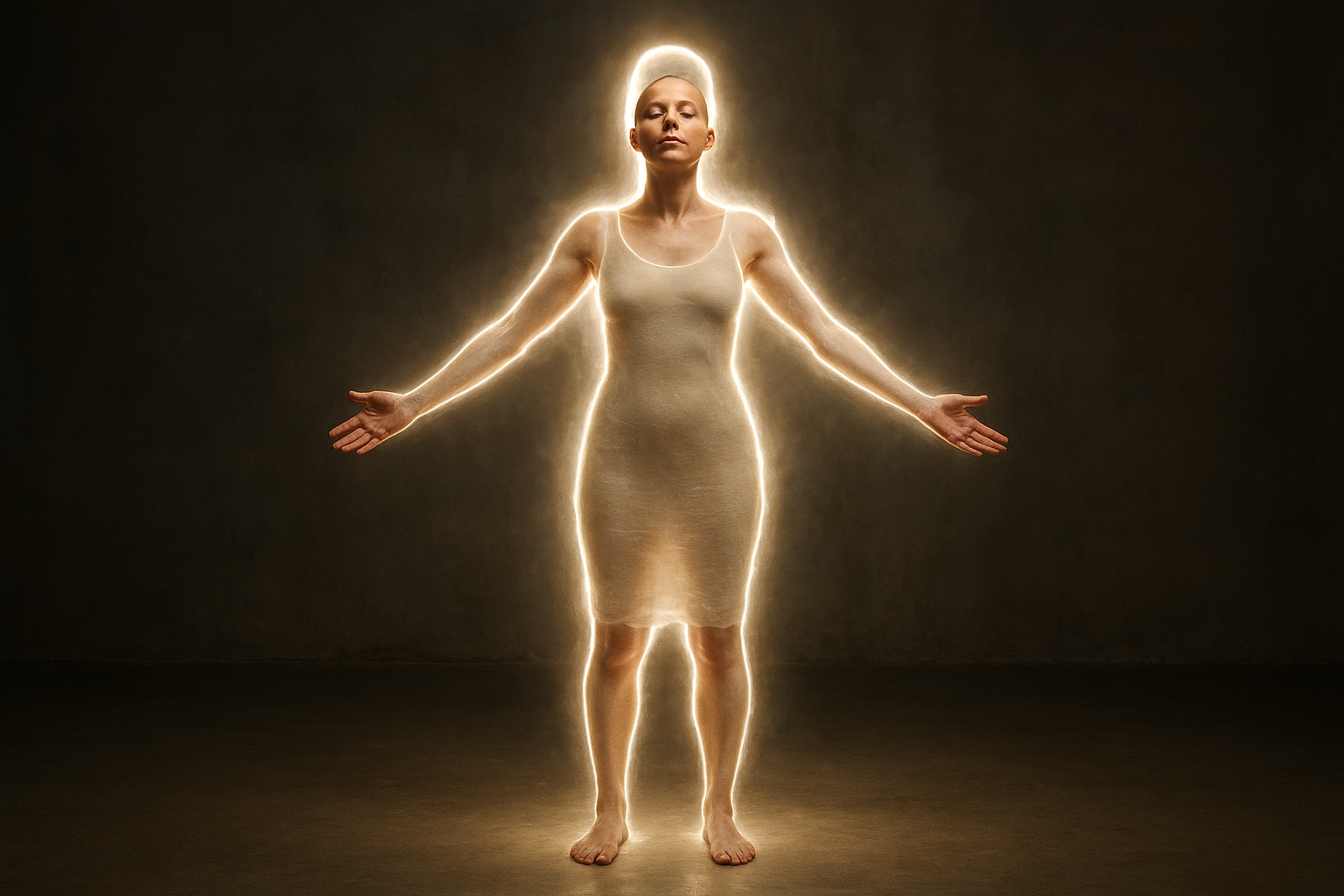
    In the ever-evolving landscape of art, performance art stands as a unique and transformative form, aptly described in Marina Abramović’s words: “Performance is a mental and physical construction that the artist creates, transforming one into a vessel to be filled with emotions and experiences.” This power of transformation speaks to the heart of performance art’s potential as a spiritual medium.

    The Genesis of Performance Art

    Emerging from the avant-garde traditions of the early 20th century, performance art evolved as a rebellion against conventional forms. Influenced by Dadaism, Surrealism, and the Fluxus movement, the art form sought to capture the immediacy of life and the presence of the artist. Historically, performance art was a vehicle for the anti-art sentiments expressed by pioneers such as Marcel Duchamp and Yoko Ono, who redefined the boundaries of what art could be.

    Defining the Spiritual Medium

    Performance art transcends traditional spiritual practices by engaging in a physical dialogue with the metaphysical. Artists utilize their bodies as canvases, communicating unspoken truths and exploring states of consciousness. This connection between body and spirit forms a critical tenet of performance art as a spiritual medium.

    The Role of the Artist

    • Conduit of Experience: Artists often view themselves as conduits, channeling energy, emotion, and spiritual awareness through their performances.
    • Embodied Ritual: Performance art becomes a ritualistic expression, where repetitive actions or endurance-based experiences evoke spiritual states.

    “When you perform, you are opening yourself as a channel to whatever emotions, energies, or spiritual experiences might arise.” — Marina Abramović

    Landmark Works and Their Spiritual Resonance

    The journey of performance art as a spiritual medium is best illustrated through landmark works that have perpetuated this enigmatic connection.

    Yves Klein: Leap into the Void

    In 1960, Yves Klein’s famous photographic montage, “Leap into the Void”, captured the artist in mid-air, defying the physical laws of nature. Klein referred to his leap as an act of faith, opening a pathway to the infinite and expressing the notion of trust in spiritual surrender to unknown forces.

    Marina Abramović: The Artist is Present

    In 2010, Marina Abramović’s iconic piece “The Artist is Present” invited viewers to sit in silence with her, creating a shared meditation space. This meeting of energies transformed a simple gaze into a profound spiritual communion. Abramović held the space for a reverent interaction, where both practitioner and participant transcended the confines of the museum setting.

    Chris Burden: Trans-Fixed

    Chris Burden’s radically controversial work, “Trans-Fixed” (1974), saw him crucified on a Volkswagen Beetle, invoking powerful religious iconography. Through this intense ordeal of endurance, Burden offered himself as a living representation of self-sacrifice, inviting audiences to confront themes of pain, devotion, and transcendence.

    The Mechanism of Spiritual Engagement

    Performance art engages spirituality through several mechanisms:

    Silence and Stillness

    • Meditative Experiences: Works often employ silence or stillness, akin to meditation, allowing both artist and audience to delve into introspection and contemplation.

    Ritual and Repetition

    • Collective Consciousness: The repetitive nature of some performances elevates the act to a spiritual ritual, linking human consciousness in shared experiences.

    Emotional Rawness

    • Unfiltered Expression: Performance art forgoes pretensions to focus on raw, visceral emotions. The artist’s vulnerability invites empathy and unity from the audience.

    The Audience as a Spiritual Participant

    Performance art establishes an inclusive dynamic, invoking the audience as an essential part of the spiritual experience. As Joseph Beuys once suggested: “Everyone is an artist.” This concept reflects the interactive nature of performance art, where audience members are not passive observers, but active participants in the spiritual exchange.

    Transformative Witnessing

    • Empathy and Catharsis: Audiences often undergo emotional transformations, perceiving the performance as a catalyst for their own spiritual reflections.

    Collective Energy

    • Unified Experience: The shared energy within the performance space fosters a collective journey, bridging individual spirits into unified consciousness.

    Conclusion: The Eternal Dance of Body and Spirit

    In the realm of performance art, the body becomes the ultimate medium through which spirituality is both explored and expressed. Artists like Marina Abramović, Yves Klein, and Chris Burden have demonstrated that through performance, art transcends its traditional boundaries and becomes a sacred vehicle for spiritual exploration and transformation.

    As contemporary artists continue to blur the lines between art and spirituality, the bodily engagement with the electric current of spiritual consciousness promises to deepen our understanding of our own spiritual nature. In witnessing performance art, with all its unfiltered emotions and transcendent possibilities, we become participants in a never-ending dance of body and spirit.

    The future of performance art holds the potential for even more profound spiritual awakenings, where the unseen world of the spirit is brought forth into vivid expression. In this dance of the body electric, art becomes not just a reflection of the soul, but an invitation to delve into the mysterious essence of existence itself.

  • Breaking the Mold: Why Abstract Art Still Matters

    Breaking the Mold: Why Abstract Art Still Matters

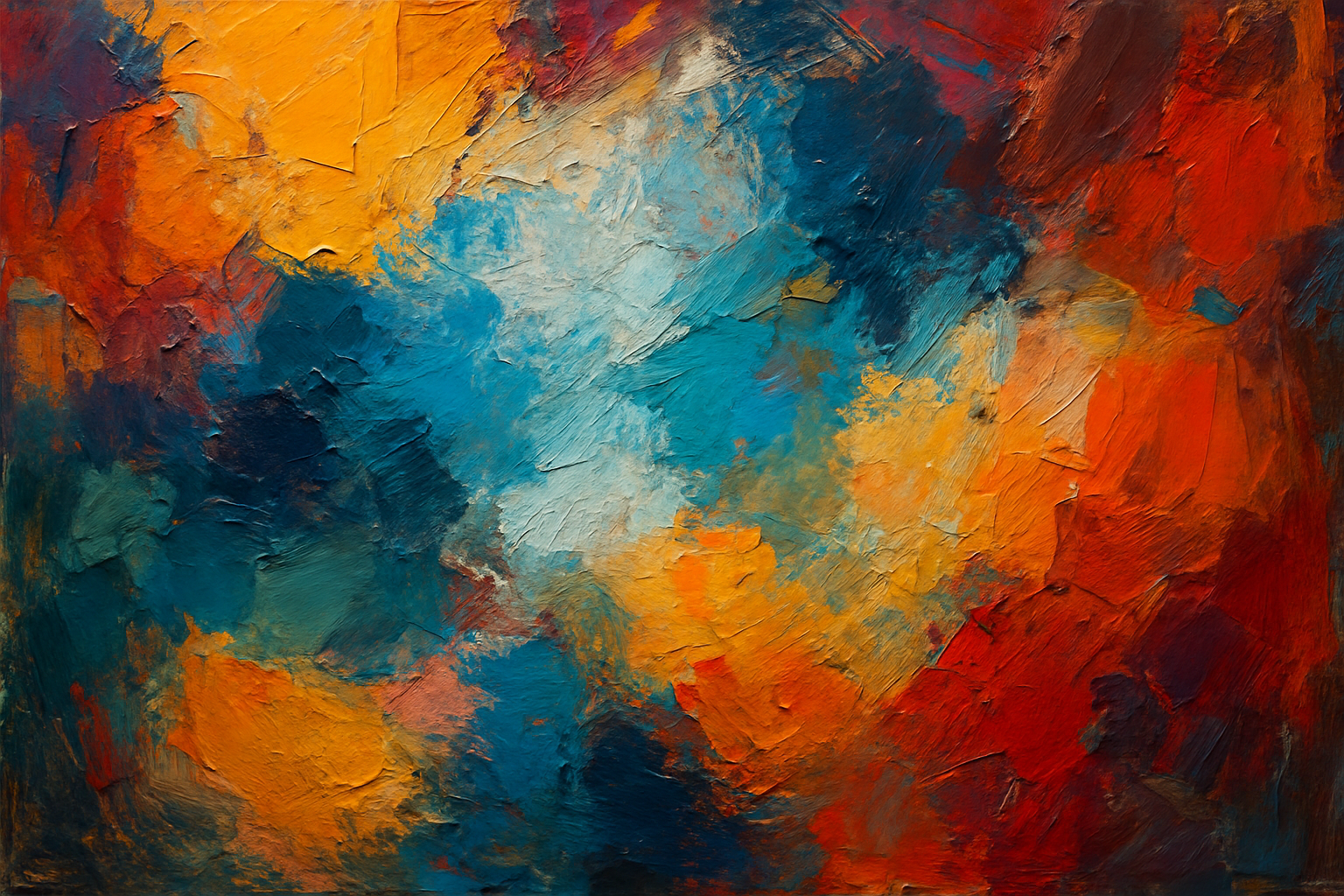
    Abstract art, with its roots in the early 20th century, continues to captivate and provoke, challenging our ideas about reality and the role of art in society. While some critics may question its relevance in our contemporary world, abstract art persists, demanding both critical and emotional engagement from viewers. But why does abstract art still matter today?

    The Historical Significance of Abstract Art

    Abstract art emerged as a radical departure from traditional representation. Artists like Wassily Kandinsky, Piet Mondrian, and Kazimir Malevich sought to convey ideas and emotions without depicting the physical world directly. As Tate Modern describes, abstract art “uses a visual language of shape, form, color, and line to create a composition which may exist with a degree of independence from visual references in the world.”

    The significance of this shift cannot be overstated. It represented a break from centuries of art history that celebrated realistic portrayal and paved the way for new ways of thinking about what art could be. Mark Rothko once expressed that “a painting is not a picture of an experience, but is the experience.” This perspective elevated art from mere representation to an embodied experience.

    Abstract Art as a Medium of Expression

    One reason abstract art remains important is its capacity for personal expression. Unlike representational art, which often aims to depict the material world, abstract art can convey more complex ideas and emotions. As Jackson Pollock famously stated, “I have no fear of making changes, destroying the image, because the painting has a life of its own.” This dynamic process allows abstract artists to explore the unconscious and communicate on a deeply personal level.

    The Impact on Contemporary Art

    The influence of early abstract art on contemporary artists is indisputable. Modern artists continue to explore abstraction in new ways, utilizing advanced technology and media to push boundaries further. As noted in the Museum of Modern Art collections, artists like Gerhard Richter and Agnes Martin have expanded on the principles of abstraction to explore themes of perception and reality.

    Richter once said, “I pursue no objectives, no system, no tendency; I have no program, no style, no direction. I have no time for specialized concerns, working themes, or variations that lead to mastery.” This philosophy highlights the enduring appeal of abstract art: its rejection of conventions and embrace of the uncertainties of expression.

    The Role in Societal Reflection and Change

    Abstract art also plays a critical role in reflecting and responding to societal changes. In periods of political turmoil or cultural shifts, abstract forms can articulate collective anxieties and hopes. The Black Arts Movement of the 1960s, for instance, saw artists using abstraction to address themes of identity and empowerment.

    This tradition continues today as artists such as Julie Mehretu challenge notions of geography, history, and politics through complex abstract works. Mehretu’s layered paintings encapsulate the chaos and interconnectedness of the modern world, asking viewers to engage with pressing global issues.

    Emotional Resonance

    Despite its often intellectual underpinnings, abstract art resonates on an emotional level. As Rothko noted, “Art to me is an anecdote of the spirit, and the only means of making concrete the purpose of its varied quickness and stillness.” This emotional depth invites viewers to connect with art in a visceral way, accessing feelings that might not be accessible through logical discourse or representational imagery.

    Conclusion

    Abstract art remains a powerful force within the art world and beyond because it challenges, provokes, and inspires. It defies easy interpretation, pushing viewers to contemplate not only what they see but how they feel. As society continues to evolve, abstract art serves as both a mirror and a questioner, encouraging us to reconsider the boundaries of reality and the possibilities of human expression.

    In a world increasingly driven by data and realism, abstract art offers a necessary counterbalance: a reminder of the unquantifiable elements of human experience. As such, it remains as vital and relevant today as it was a century ago.

  • Dissonance and Discovery: New Forms in Auditory Art

    Dissonance and Discovery: New Forms in Auditory Art

    Auditory art, a realm where sound transcends traditional musical boundaries, has always been a dynamic field of exploration. In recent years, an exciting trend has emerged: the embrace of dissonance as a tool for discovery. Artists are harnessing the power of unconventional sound structures to challenge listeners and expand the auditory experience.

    The Nature of Dissonance

    Dissonance, often characterized by tension and instability in sound, breaks away from harmonious norms. While harmony aims to soothe and unify, dissonance provokes and incites a reaction. According to Encyclopaedia Britannica, dissonance “creates a sense of unrest,” paving the way for resolution or further exploration.

    Modern Auditory Explorations

    Contemporary auditory artists are increasingly incorporating dissonance as a critical component of their work, hoping to evoke deeper emotional responses from their audiences. These artists move beyond traditional melodies and rhythms to craft landscapes of sound that invite introspection.

    • Experimental Music: Musicians like John Zorn and Meredith Monk employ dissonance extensively. Monk, in particular, uses vocal techniques that challenge conventional tonal beauty, transforming voice into a multifaceted instrument.
    • Sound Installations: Sound installations leverage dissonance to engross audiences in new auditory worlds. Max Neuhaus’s “Times Square” plays with ambient noise, encouraging listeners to reconsider their acoustic environments.
    • Electronic Avant-Garde: Artists such as Aphex Twin and Autechre embrace the chaotic potential of electronic instruments, producing complex soundscapes that often defy traditional compositional logic.

    The Impact on Listeners

    Dissonance in auditory art invites listeners to move past mere consumerism and engage critically with what they hear. As Philip Ball notes in The Music Instinct: How Music Works and Why We Can’t Do Without It, “Dissonance challenges our brain, inviting us to use parts of perception that we often neglect” (Philip Ball).

    “There is no excellent beauty that hath not some strangeness in the proportion.” — Francis Bacon

    This historical perspective highlights the inherent beauty of dissonance, encouraging audiences to discover the aesthetics in what might initially seem jarring or unfamiliar.

    A Future of Sonic Innovation

    As auditory artists continue to experiment, the possibilities for innovation are boundless. By embracing the strange and unfamiliar, they not only redefine the limits of sound but also challenge cultural and emotional perceptions, leading us into uncharted auditory territories.

    Indeed, the journey through dissonance and discovery is not merely for artists but for all who are willing to listen and find beauty in the unexpected.

  • The Silent Stage: Where Contemporary Dance Meets Visual Art

    The Silent Stage: Where Contemporary Dance Meets Visual Art

    In the realm of artistic expression, the merger of contemporary dance and visual art creates a captivating tapestry where movement and aesthetic vision intertwine seamlessly. This fusion offers a sensory experience that transcends traditional boundaries, inviting audiences to engage in a unique dialogue between the seen and the felt.

    Choreography as Canvas

    The partnership between contemporary dance and visual art is not new, but it is perpetually evolving. Choreographers like Merce Cunningham have famously collaborated with visual artists such as Robert Rauschenberg to produce performances that defy conventional narratives. As Cunningham once said, “The dance gives you what the music can’t; the visual art gives you what the dance can’t.” (Source) These collaborations allow creators to explore new dimensions of storytelling.

    Visual Artists Taking the Stage

    Visual artists, on the other hand, are increasingly taking inspiration from the dynamics of dance to expand their creative horizons. Tino Sehgal, known for his “constructed situations,” engages performers to create art through motion and interaction. His work blurs the line between spectator and participant, urging viewers to contemplate the transient nature of both dance and art.

    “Art is a continuous engagement, not a statement,” Sehgal asserts, pointing to the ephemeral quality shared by dance and performance art. (Tate Modern)

    The Silent Conversation

    The silent stage becomes a platform for this exchange, where visual aesthetics influence choreography and the rhythms of dance inform visual compositions. This interaction challenges audiences to decode layers of meaning woven into every movement and stroke.

    Exhibits such as the “Dancing Museum” initiative have further solidified this collaboration by embedding dancers into museum spaces, turning galleries into live, breathing canvases. Visitors find themselves immersed in a performance that flows around the static artworks, creating a narrative that goes beyond time and space.

    Future Directions

    • Exploring technology: Augmented reality and virtual experiences are pushing the boundaries of how these two art forms can converge.
    • Inclusive storytelling: Stories of diverse cultures and identities are told through the universal languages of dance and visual art.

    As we look to the future, the integration of contemporary dance and visual art continues to innovate, challenging artists and audiences alike to question, experience, and redefine art’s silent stage.