Tag: artist

  • The Artist’s Prayer: Finding Transcendence in Visual Creation

    The Artist’s Prayer: Finding Transcendence in Visual Creation

    The Artist’s Prayer: Finding Transcendence in Visual Creation

    The act of creation can often feel like a spiritual journey, a sacred endeavor that connects the artist to something greater than themselves. When words fail, visual art becomes a powerful form of transcendence, allowing both creator and observer to find deeper meaning in life. In this exploration, we delve into how art serves as a prayer, a meditation in motion, and a conduit for divine connection.

    The Spiritual Aspects of Art

    From cave paintings to modern installations, art has always been an intimate part of human spirituality. It reflects our inner worlds and our highest aspirations, acting as both a mirror and a window. For many artists, the process of creating is akin to prayer—a purposeful act of devotion and introspection.

    Marc Chagall, a prolific 20th-century artist, once expressed, “The dignity of the artist lies in his duty of keeping awake the sense of wonder in the world.” Chagall’s words encapsulate the artist’s quest for transcendence, where the act of creation becomes a sacred duty to evoke wonder and awaken the divine sensibility within the observer.

    Art as Meditation

    Much like meditation, the process of creating art demands presence, surrender, and an openness to the unknown. It is an exercise in mindfulness where the artist is fully immersed in the act of creation. Each stroke of the brush or curve of the sculpture becomes a mantra, bringing the artist closer to a state of inner peace and clarity.

    Research shows that engaging in creative activities can reduce stress, diminish anxiety, and improve overall mental health. In a study published in The Journal of Positive Psychology, it was reported that people who partake in creative pastimes, including visual art, experience increased positive mood states and a sense of flourishing. When art is approached as a meditative practice, it fosters a deep state of tranquility and self-awareness.

    The Sacred Dance of Flow

    The concept of “flow” is often discussed in the context of artistic creation. Csikszentmihalyi describes flow as a state where one is fully engaged and absorbed in the activity, leading to peak levels of creativity and efficiency. Within this flow state, artists often experience moments of transcendence and union with their creative source.

    “The best moments in our lives are not the passive, receptive, relaxing times. The best moments usually occur if a person’s body or mind is stretched to its limits in a voluntary effort to accomplish something difficult and worthwhile.” — Mihaly Csikszentmihalyi

    While in the flow, artists lose track of time and self-consciousness, merging with their work in an act of creation that feels deeply spiritual. Such states are not only fulfilling but also allow for the emergence of genuine and transformative art.

    The Artistic Community As a Collective Prayer

    At times, art transcends individual practice and becomes a communal experience. Art communities and collaborations can act as collective prayers, where shared creative energy fosters a deeper spiritual connection. Participating in such communities often provides artists with support, inspiration, and a sense of belonging.

    Artistic gatherings, whether physical or virtual, serve as sanctuaries of creative expression. They allow artists to share their visions and be inspired by others, building a communal tapestry of imagination that reflects humanity’s most profound thoughts and feelings. These collective endeavors often amplify the transcendent quality of art by blending multiple voices into a harmonious artistic hymn.

    Art as a Bridge to The Divine

    Throughout history, many have used art as a medium to connect with the divine. Iconography and religious art across cultures often aim to represent the sacred, offering tangible representations of spiritual beliefs and experiences.

    Artists like Hilma af Klint, whose work anticipated the abstract movement, saw their art as a spiritual pursuit, a medium through which to channel otherworldly wisdom. Her large-scale paintings were filled with symbolism, spiritual motifs, and transcendent themes, which she believed were guided by higher powers.

    To view art is to step into a space where the divine is accessible. Artworks become gateways to other realities, and in observing them, we find ourselves momentarily freed from the confines of the material world, opening ourselves to the infinite possibilities of the spirit.

    The Power of Vulnerability in Artistic Expression

    Creating art necessitates vulnerability, an openness that parallels the humility required in spiritual practice. By exposing their innermost thoughts, fears, and dreams, artists engage in a profound act of trust. This vulnerability is a powerful aspect of their prayer, an acknowledgment of their limitations and a hopeful reaching toward understanding and acceptance.

    In an interview, Ai Weiwei remarked, “Expressing oneself is a part of being human. To understand oneself is a stepping stone to understanding others.” In the same vein, allowing oneself to be vulnerable in art is an act of courage and a step toward communal and self-understanding.

    Conclusion

    The artist’s journey is deeply intertwined with the quest for transcendence. Through art, individuals not only express but transform their realities, reaching toward the divine. Each brushstroke, piece of clay, or captured photograph acts as a prayer—a testament to the power of creativity in exploring deeper truths and connecting to the universal soul.

    May artists everywhere continue to find their voice through this sacred practice, and in doing so, weave threads of beauty, peace, and understanding into the fabric of our collective existence.

    For more insights on the connection between spirituality and creativity, visit Psychology Today: Creativity and Spirituality.
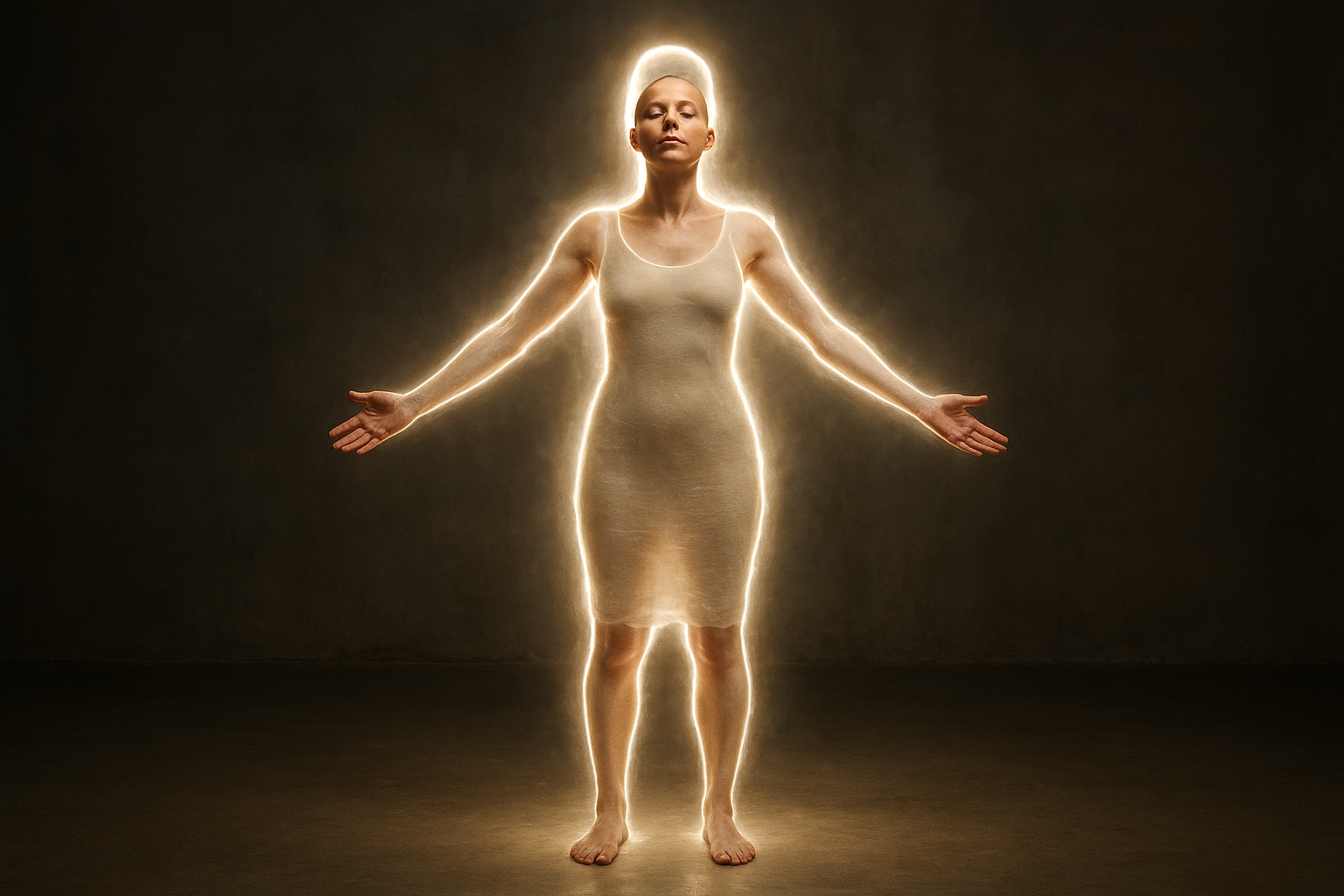
  • The Body Electric: Performance Art as Spiritual Medium

    The Body Electric: Performance Art as Spiritual Medium

    In the ever-evolving landscape of art, performance art stands as a unique and transformative form, aptly described in Marina Abramović’s words: “Performance is a mental and physical construction that the artist creates, transforming one into a vessel to be filled with emotions and experiences.” This power of transformation speaks to the heart of performance art’s potential as a spiritual medium.

    The Genesis of Performance Art

    Emerging from the avant-garde traditions of the early 20th century, performance art evolved as a rebellion against conventional forms. Influenced by Dadaism, Surrealism, and the Fluxus movement, the art form sought to capture the immediacy of life and the presence of the artist. Historically, performance art was a vehicle for the anti-art sentiments expressed by pioneers such as Marcel Duchamp and Yoko Ono, who redefined the boundaries of what art could be.

    Defining the Spiritual Medium

    Performance art transcends traditional spiritual practices by engaging in a physical dialogue with the metaphysical. Artists utilize their bodies as canvases, communicating unspoken truths and exploring states of consciousness. This connection between body and spirit forms a critical tenet of performance art as a spiritual medium.

    The Role of the Artist

    • Conduit of Experience: Artists often view themselves as conduits, channeling energy, emotion, and spiritual awareness through their performances.
    • Embodied Ritual: Performance art becomes a ritualistic expression, where repetitive actions or endurance-based experiences evoke spiritual states.

    “When you perform, you are opening yourself as a channel to whatever emotions, energies, or spiritual experiences might arise.” — Marina Abramović

    Landmark Works and Their Spiritual Resonance

    The journey of performance art as a spiritual medium is best illustrated through landmark works that have perpetuated this enigmatic connection.

    Yves Klein: Leap into the Void

    In 1960, Yves Klein’s famous photographic montage, “Leap into the Void”, captured the artist in mid-air, defying the physical laws of nature. Klein referred to his leap as an act of faith, opening a pathway to the infinite and expressing the notion of trust in spiritual surrender to unknown forces.

    Marina Abramović: The Artist is Present

    In 2010, Marina Abramović’s iconic piece “The Artist is Present” invited viewers to sit in silence with her, creating a shared meditation space. This meeting of energies transformed a simple gaze into a profound spiritual communion. Abramović held the space for a reverent interaction, where both practitioner and participant transcended the confines of the museum setting.

    Chris Burden: Trans-Fixed

    Chris Burden’s radically controversial work, “Trans-Fixed” (1974), saw him crucified on a Volkswagen Beetle, invoking powerful religious iconography. Through this intense ordeal of endurance, Burden offered himself as a living representation of self-sacrifice, inviting audiences to confront themes of pain, devotion, and transcendence.

    The Mechanism of Spiritual Engagement

    Performance art engages spirituality through several mechanisms:

    Silence and Stillness

    • Meditative Experiences: Works often employ silence or stillness, akin to meditation, allowing both artist and audience to delve into introspection and contemplation.

    Ritual and Repetition

    • Collective Consciousness: The repetitive nature of some performances elevates the act to a spiritual ritual, linking human consciousness in shared experiences.

    Emotional Rawness

    • Unfiltered Expression: Performance art forgoes pretensions to focus on raw, visceral emotions. The artist’s vulnerability invites empathy and unity from the audience.

    The Audience as a Spiritual Participant

    Performance art establishes an inclusive dynamic, invoking the audience as an essential part of the spiritual experience. As Joseph Beuys once suggested: “Everyone is an artist.” This concept reflects the interactive nature of performance art, where audience members are not passive observers, but active participants in the spiritual exchange.

    Transformative Witnessing

    • Empathy and Catharsis: Audiences often undergo emotional transformations, perceiving the performance as a catalyst for their own spiritual reflections.

    Collective Energy

    • Unified Experience: The shared energy within the performance space fosters a collective journey, bridging individual spirits into unified consciousness.

    Conclusion: The Eternal Dance of Body and Spirit

    In the realm of performance art, the body becomes the ultimate medium through which spirituality is both explored and expressed. Artists like Marina Abramović, Yves Klein, and Chris Burden have demonstrated that through performance, art transcends its traditional boundaries and becomes a sacred vehicle for spiritual exploration and transformation.

    As contemporary artists continue to blur the lines between art and spirituality, the bodily engagement with the electric current of spiritual consciousness promises to deepen our understanding of our own spiritual nature. In witnessing performance art, with all its unfiltered emotions and transcendent possibilities, we become participants in a never-ending dance of body and spirit.

    The future of performance art holds the potential for even more profound spiritual awakenings, where the unseen world of the spirit is brought forth into vivid expression. In this dance of the body electric, art becomes not just a reflection of the soul, but an invitation to delve into the mysterious essence of existence itself.