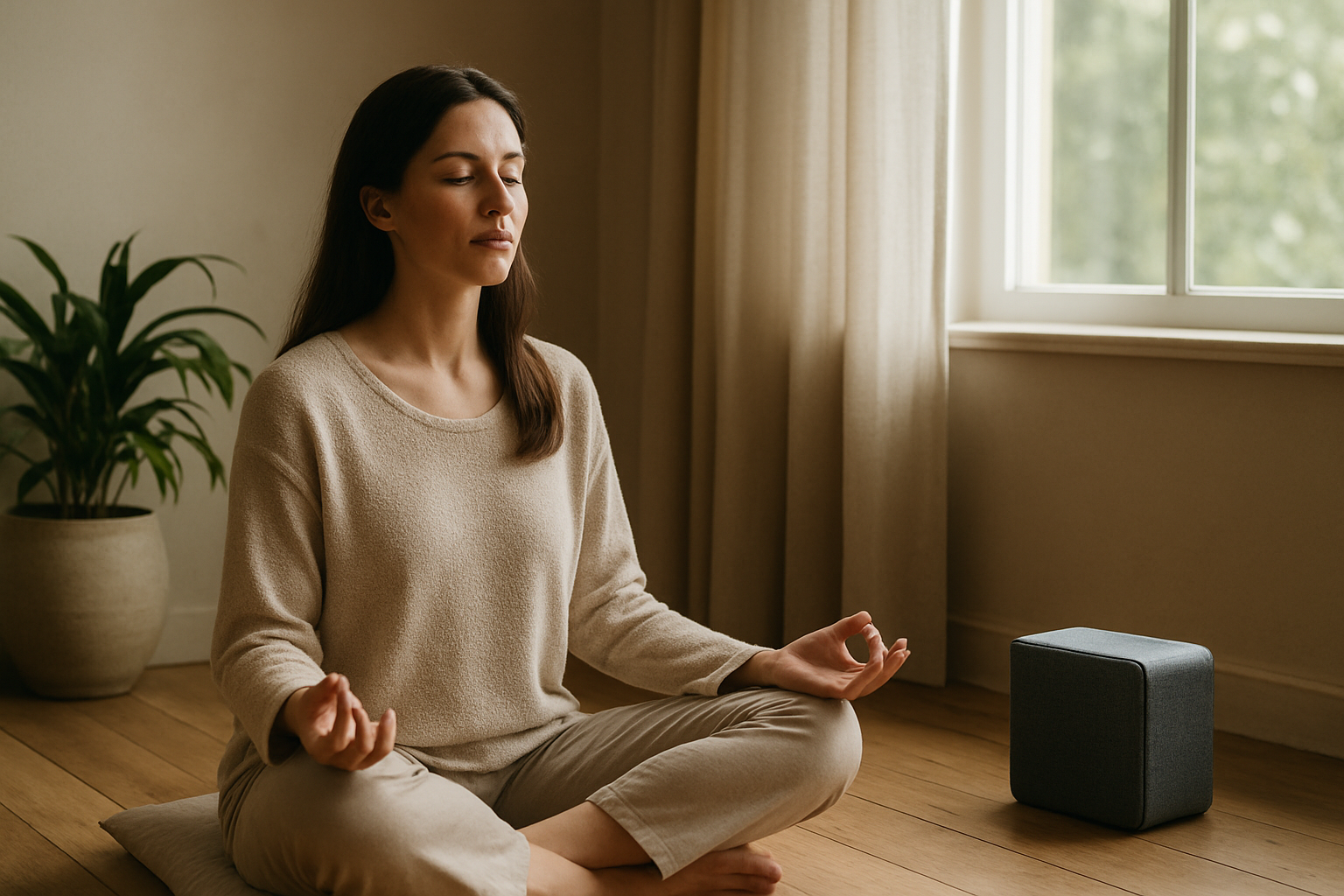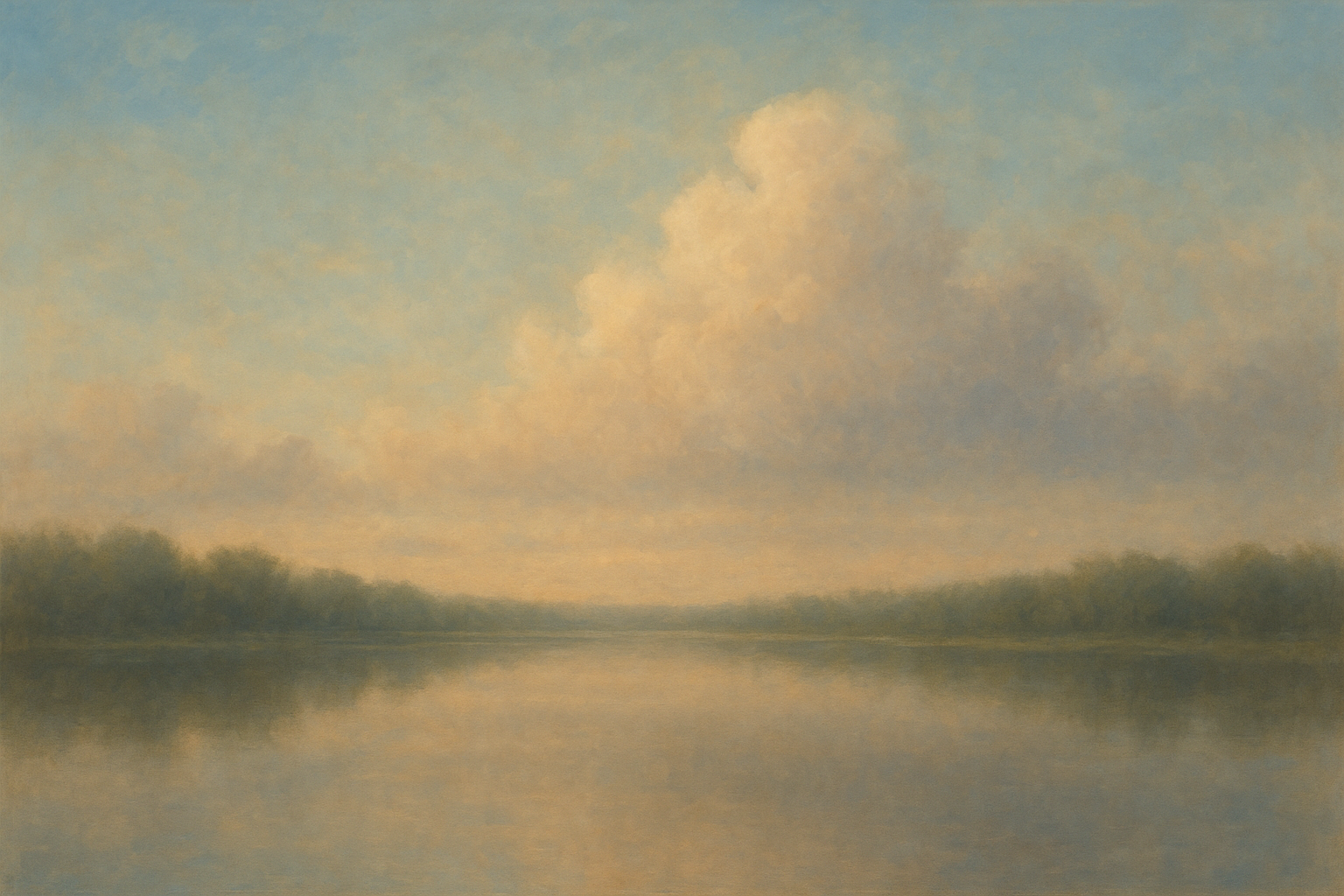
In the whirl of today’s fast-paced world, ambient art is emerging as a haven of tranquility, inviting viewers to slow down and engage in mindful observation. This genre of art is designed not just for visual consumption but for introspective contemplation, encouraging a deeper connection between the observer and the universe.
A New Dimension of Perception
Ambient art blends elements of nature, light, sound, and space to create experiences that soothe and inspire. It is less about bold statements and more about the subtle interplay of elements that evoke emotion and thought.
“Ambient art seeks to create an atmosphere, an environment where one can meditate and reflect,” says art critic James Parker in an interview with The Atlantic. “It’s like a gentle whisper amid the clamor of everyday life.”
Artists Leading the Movement
- Olafur Eliasson: Known for his installations that challenge perceptions of nature and reality, Eliasson’s work often uses ephemeral elements like light and water. His Weather Project at the Tate Modern is a prime example of art that engulfs the viewer in a new atmospheric reality.
- James Turrell: Turrell’s work focuses on light and space, creating environments where viewers can lose themselves in the contemplation of color and form. His Skyspaces installations, for example, provoke a deep meditative state through their simplicity and elegance.
- Yayoi Kusama: Famous for her infinite mirror rooms, Kusama creates immersive spaces where the boundaries between the self and the work blur, encouraging introspection and engagement with the infinite.
The Impact on Mental Wellbeing
Ambient art offers not only aesthetic pleasure but also therapeutic benefits. The study of “slow art” shows it can help reduce stress and promote mindfulness. According to a report in Psychology Today, “Engaging with art in a meaningful way can lead to a state similar to meditation, reducing anxiety and promoting a sense of wellbeing.”
An Invitation to Pause
In a society that values speed and immediate results, ambient art stands out as a gentle reminder of the beauty in taking a moment to pause, reflect, and simply be. It does not demand comprehension or critique; instead, it offers an open invitation for personal exploration and discovery. As art continues to evolve, ambient art proves the enduring power of stillness in the cacophony of modern life.