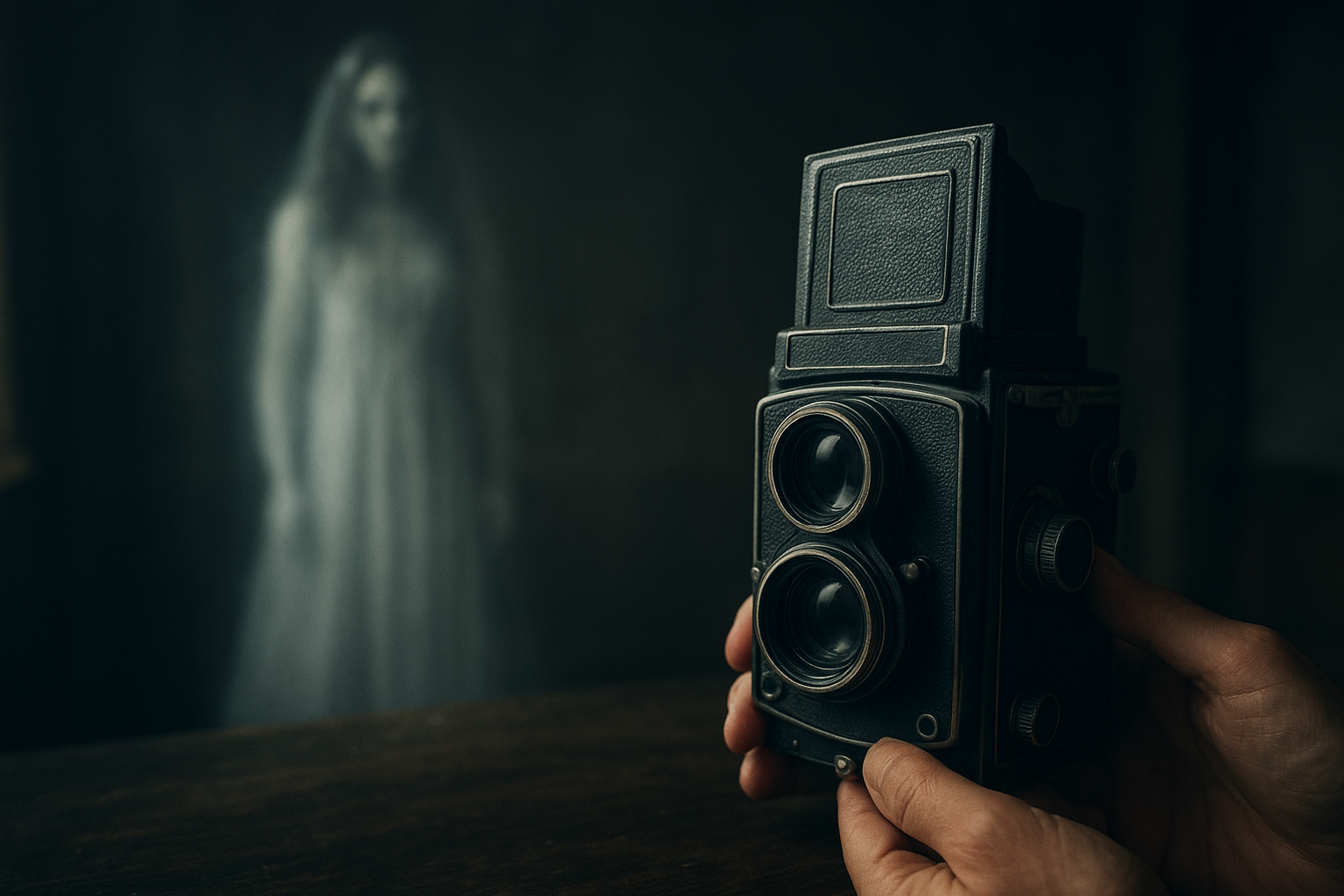
Capturing the Ghost: Photography’s Hold on the Intangible
In the realm of the supernatural, photography has long held a captivating allure. The idea that a camera might capture something beyond the physical realm is both intriguing and chilling. Throughout the history of photography, there have been claims and controversies surrounding the depiction of the ethereal, the unseen, and the intangible.
The Early Days of Spirit Photography
In the late 19th century, as photography burgeoned into a popular medium, it was swiftly adopted by those wishing to document the supernatural. William H. Mumler, one of the earliest known photographers to claim to capture ghosts, brought spirit photography to the public’s attention. According to the Smithsonian Magazine, Mumler accidentally discovered double exposure, which produced ghostly figures in his images. While skeptics quickly discredited him, many spiritualists embraced his photographs as evidence of the afterlife.
Photography as a Tool for Mystery
Today, while the art of spirit photography is often regarded with skepticism, its allure remains. Modern paranormal investigators continue to use cameras to explore the mysterious, employing everything from infrared imagery to high-speed film. However, the relationship between modern photography and the supernatural isn’t solely tethered to the investigative. It also inspires artists who explore themes of absence, presence, and the fleeting nature of existence.
“Photographs can make us believe in things, but they can also be oracles. They can conjure memories, dreams, stories… The presence (or absence) of a figure in a photograph can summon a thousand unwritten words.” — Source: New York Times
The Symbolic Power of the Unseen
Photography’s power lies not only in its capacity to document what is in front of the lens but also in its ability to symbolize what is not. Using strategic absence and presence, photographers can evoke a sense of the intangible. Through techniques like long exposure or creative lighting, they hint at stories beyond the frame.
As we continue to advance technologically, with tools like AI and digital enhancements, the line between capturing reality and creating illusion blurs further. Though science and skepticism guide our understanding of the world, the allure of the mystery—perhaps even the ghost in the photograph—persists.
In the end, capturing the ghost through photography may not be about proving the unseen but rather about embracing the magical potential of what photography can evoke.