Tag: absence

  • Capturing the Ghost: Photography’s Hold on the Intangible

    Capturing the Ghost: Photography’s Hold on the Intangible

    Capturing the Ghost: Photography’s Hold on the Intangible

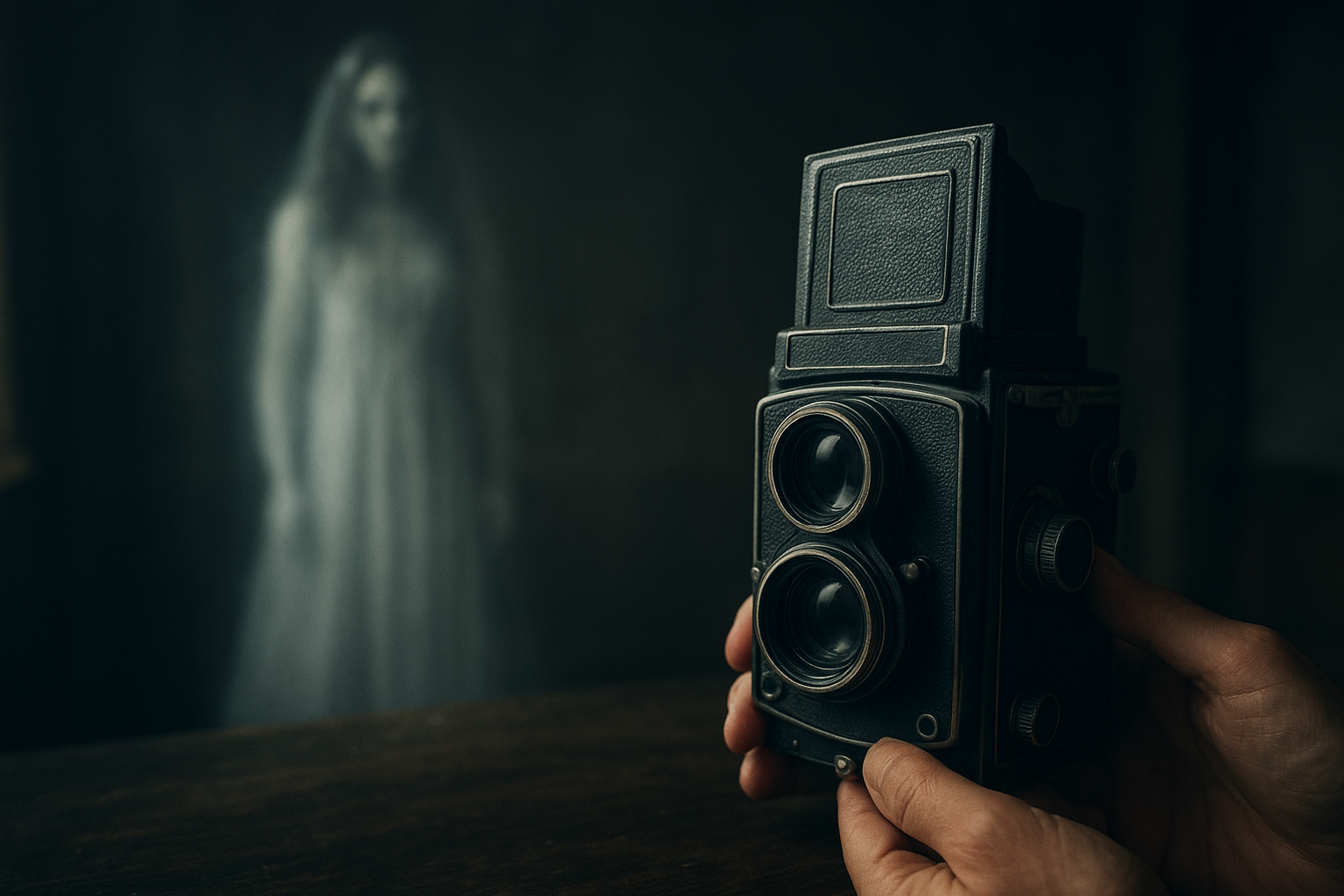
    In the realm of the supernatural, photography has long held a captivating allure. The idea that a camera might capture something beyond the physical realm is both intriguing and chilling. Throughout the history of photography, there have been claims and controversies surrounding the depiction of the ethereal, the unseen, and the intangible.

    The Early Days of Spirit Photography

    In the late 19th century, as photography burgeoned into a popular medium, it was swiftly adopted by those wishing to document the supernatural. William H. Mumler, one of the earliest known photographers to claim to capture ghosts, brought spirit photography to the public’s attention. According to the Smithsonian Magazine, Mumler accidentally discovered double exposure, which produced ghostly figures in his images. While skeptics quickly discredited him, many spiritualists embraced his photographs as evidence of the afterlife.

    Photography as a Tool for Mystery

    Today, while the art of spirit photography is often regarded with skepticism, its allure remains. Modern paranormal investigators continue to use cameras to explore the mysterious, employing everything from infrared imagery to high-speed film. However, the relationship between modern photography and the supernatural isn’t solely tethered to the investigative. It also inspires artists who explore themes of absence, presence, and the fleeting nature of existence.

    “Photographs can make us believe in things, but they can also be oracles. They can conjure memories, dreams, stories… The presence (or absence) of a figure in a photograph can summon a thousand unwritten words.” — Source: New York Times

    The Symbolic Power of the Unseen

    Photography’s power lies not only in its capacity to document what is in front of the lens but also in its ability to symbolize what is not. Using strategic absence and presence, photographers can evoke a sense of the intangible. Through techniques like long exposure or creative lighting, they hint at stories beyond the frame.

    As we continue to advance technologically, with tools like AI and digital enhancements, the line between capturing reality and creating illusion blurs further. Though science and skepticism guide our understanding of the world, the allure of the mystery—perhaps even the ghost in the photograph—persists.

    In the end, capturing the ghost through photography may not be about proving the unseen but rather about embracing the magical potential of what photography can evoke.

  • Resonance Beyond Silence

    Resonance Beyond Silence

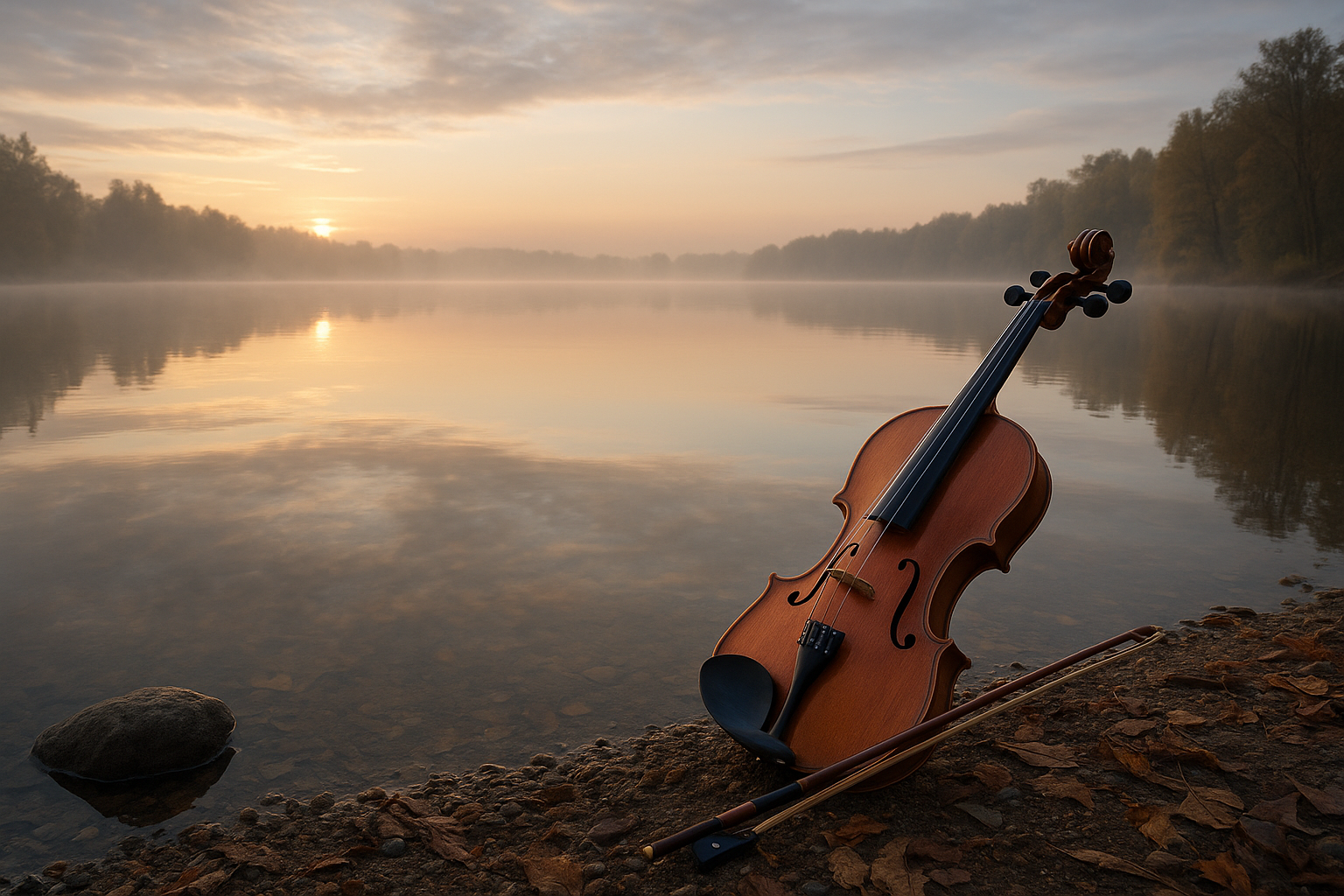
    In a world characterized by endless noise, the concept of silence holds more power than ever before. Yet, silence is not merely the absence of sound. It is a canvas for resonance, a space where the unspoken truths and intrinsic harmonies of life find expression.

    Understanding Silence

    The philosopher Ludwig Wittgenstein once said,

    “Whereof one cannot speak, thereof one must be silent.”

    This suggests silence is not a void, but an opportunity for deeper contemplation and understanding. In fact, the quiet often speaks louder than words, resonating through emotions and thoughts that words fail to capture.

    The Role of Silence in Creativity

    Creative minds throughout history have found inspiration in silence. Composer John Cage famously explored this notion with his piece 4’33”, where performers do not play their instruments. Cage said, “There is no such thing as an empty space or an empty time.” His work invites listeners to experience the ambient sounds around them, allowing silence to give rise to new forms of musicality and awareness.

    • Reflection: Silence offers a pause that enables reflection, leading to breakthroughs and insights.
    • Inspiration: It is in moments of silence that creativity finds its sturdiest roots.
    • Balance: Creativity thrives on the balance between silence and sound, absence and presence.

    The Healing Power of Silence

    Silence is also a potent tool for healing. Meditation practices focus on quieting the mind to achieve mental clarity and emotional stability. Studies have linked periods of silence to reduced stress and enhanced mental health. Dr. Luciano Bernardi’s research indicates, “Silence is more relaxing and beneficial than truly relaxing music.”

    A simple silent walk in nature can foster a deep connection with the surroundings, encouraging a sense of peace and clarity. Such practices highlight that the resonance of silence goes beyond mere tranquility; it is a channel to inner harmony and well-being.

    The Universal Language

    Silence transcends language barriers, offering a universal medium through which people can connect on a deeply human level. In an age dominated by constant communication, learning to embrace silence can lead to more meaningful interactions and a greater appreciation of the spoken word.

    In conclusion, by embracing the resonance beyond silence, we open ourselves to a breadth of experiences that can enhance creativity, foster well-being, and enrich human connections. Silence, then, is not the end, but the beginning of something profoundly resonant.