Category: MythCoeur

  • Movement as Message: Decoding the Language of Modern Choreography

    Movement as Message: Decoding the Language of Modern Choreography

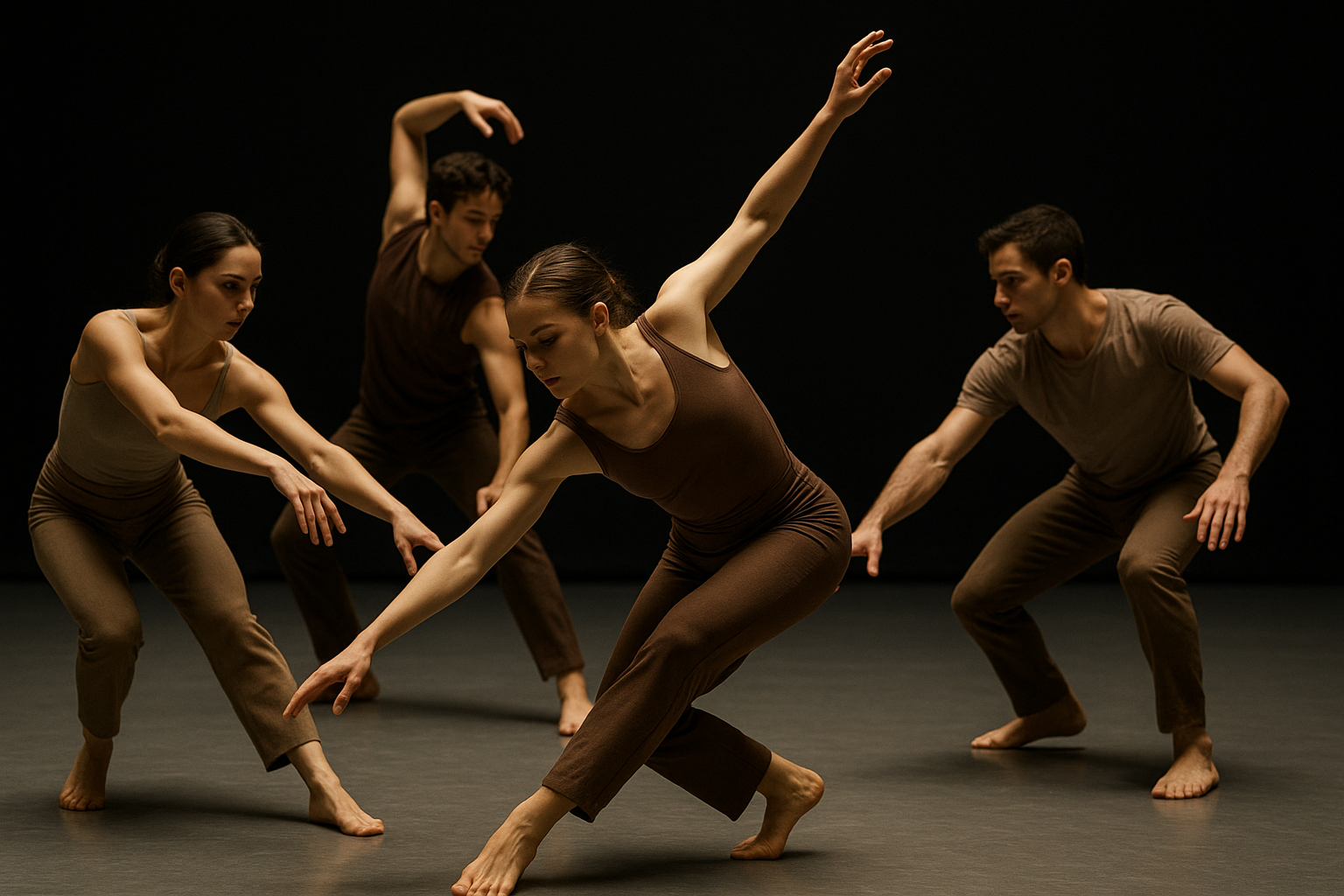
    In the realm of dance, choreography stands as the definitive expression of human emotion and storytelling. Modern choreography, in particular, pushes these boundaries, blending traditional techniques with pioneering ideas. This fusion results in a unique language where the body speaks as vividly as any written text. But how do dancers and choreographers convey messages through movement, and why is it essential to understand this “language”?

    The Evolution of Modern Choreography

    Modern choreography, a discipline that emerged in the early 20th century, was a rebellion against the constraints of classical ballet. While ballet adheres to strict positions and movements, modern dance embraced freedom and expression. Pioneers such as Martha Graham, considered the ‘mother of modern dance’, introduced techniques that involved the use of gravity, breath, and the core to portray raw emotion.

    “Dance is the hidden language of the soul,”

    Graham famously said, emphasizing how dance transcends mere physicality.

    The evolution of this art form did not stop with Graham. As time progressed, choreographers like Alvin Ailey, Twyla Tharp, and Merce Cunningham introduced diverse styles and techniques. Each choreographer contributed to transforming modern dance into a versatile language, capable of interpreting a wide array of themes—be it personal, political, or social.

    Choreography as a Language

    Understanding choreography as a language involves recognizing its components. Just like sentences in a spoken language, choreography comprises phrases—determined sequences of movement—that communicate specific meanings. Pina Bausch, a leading figure in dance-theatre, often used repetitive gestures that spectators could read into, forming a lexicon of gestures unique to each production.

    The Core Elements

    • Shape and Space: The utilization of space and the shape of the body within it are crucial for conveying meaning. Is the dancer reaching outward, occupying most of the space, or folding inward, creating a more introspective shape?
    • Dynamics: The energy or force behind a movement can suggest anger, joy, sadness, or tranquility. Sharp, fast movements might convey urgency or violence, whereas slow, flowing motions could suggest calmness or reflection.
    • Timing and Rhythm: The tempo and rhythm at which movements unfold are akin to punctuation in language. A sudden stop in movement can signify a dramatic pause, much like a full stop in a sentence.
    • Gesture: Often derived from everyday movements, gestures in dance can be deeply symbolic. Choreographers like Ailey frequently employed gestures reflective of cultural or historical significance.

    Interpreting Modern Choreography

    Interpreting these choreographic elements relies significantly on both personal and cultural contexts. An audience with knowledge of a choreographer’s history or the socio-political environment may derive a different understanding from those unfamiliar with these aspects. Alvin Ailey’s renowned piece, “Revelations”, draws heavily from African American spirituals and his own experiences in the racially segregated South, offering profound meaning to audiences aware of this background.

    Moreover, the universal nature of movement allows audiences to connect with choreography on a basic human level. Researchers have found that mirror neurons in our brains respond empathetically to the movements we observe, creating an intuitive understanding between dancer and audience.

    The Impact and Relevance of Modern Choreography

    In today’s rapidly changing world, modern choreography remains a powerful medium for expression. Whether tackling personal stories or broader global issues, choreographers use dance to reflect on the human condition. Hofesh Shechter, known for his politically charged performances, uses choreography to comment on contemporary social issues, blending aggressive, dynamic movement with deep social critique.

    The relevance of modern choreography is also evident in its cross-disciplinary influence. Contemporary performance art, film, and even sports choreograph movements to convey intricate stories beyond verbal narrative. Choreography’s very nature as a non-verbal art form allows for inclusion and diversity, bridging cultural and language barriers.

    Engaging with Modern Choreography

    Engaging with modern choreography can begin with attending live performances, which encapsulate the ephemeral beauty of dance. One might also explore platforms like TED, where dancers and choreographers discuss the philosophy behind their work.

    Dance festivals like the Edinburgh International Festival and online resources such as YouTube offer accessible ways to experience a wide range of choreographic works from renowned artists around the globe.

    Conclusion

    Ultimately, the language of modern choreography invites us to expand our understanding and empathy. It encourages us to see movement not just as an aesthetic experience, but as a rich, textured communication medium that challenges, informs, and inspires. As we decode the messages inherent in these artful movements, we gain a deeper appreciation of the shared human experiences they reflect.


  • The Still Point of the Turning World: Meditative Photography

    The Still Point of the Turning World: Meditative Photography

    There is a quiet beauty found in the practice of meditative photography; a mindfulness that invites one to see the world not as a mere collection of objects, but as a tapestry of moments. This art form challenges photographers to pause, breathe, and find stillness in an ever-accelerating world. It is at this intersection of movement and stillness that T.S. Eliot’s concept of the “still point of the turning world” gains relevance.

    The Essence of Meditative Photography

    Meditative photography is not driven by the intent to capture the perfect shot or adhere to conventional aesthetic theories. Instead, it encourages a deep-seated connection with the environment. Seeing, in this context, becomes an act of mediation where the observer tunes into the intricate dance of light, shadow, and form around them.

    “The journey is what brings us happiness not the destination.” – Dan Millman

    In meditative photography, the journey, the process of observing without judgment, becomes more significant than the end product. Suspend your biases and engage in an unfiltered view of the natural world.

    Practices to Cultivate Mindfulness

    • Slow Down: Take intentional pauses as you walk, letting each step become an anchor. Allow your senses to pick up the nuances in the light or the whisper of the wind through the trees.
    • Embrace Imperfection: Do not seek to impose your vision forcibly onto the scene before you. Accept the imperfections and spontaneity that come with each moment.
    • Reflect on Your Experience: After taking photographs, spend time reflecting on what you felt and saw beyond the lens. Documenting your experiences can deepen your connection to the moment.

    The Impact of Meditative Photography

    Through meditative photography, individuals can develop a heightened awareness of their environment and emotions, aligning them more closely with the present. This practice does not merely change the way one views art but transforms how one perceives life.

    As Ansel Adams, a legendary name in photography, once said, “You don’t make a photograph just with a camera. You bring to the act of photography all the pictures you have seen, the books you have read, the music you have heard, the people you have loved.” Through these shared experiences and a dedication to simply be, one might indeed find the “still point of the turning world.”

    In adopting meditative photography, we embark on a transformative journey, finding tranquility amid chaos and discovering resilience in the passionate act of seeing.

  • Old Gods, New Forms: Reimagining Tradition for the 21st Century

    Old Gods, New Forms: Reimagining Tradition for the 21st Century

    In a world shaped by technological innovation and shifting cultural paradigms, the ancient deities of myth and legend are finding new avenues into our consciousness. The 21st century offers fertile ground for the reimagining of old gods, allowing them to take on new forms and meanings that resonate with modern sensibilities.

    The Revival of Mythical Imagery

    Throughout history, humanity has turned to gods and myth to explain the unexplainable. In today’s hyper-connected global society, there is a resurgence of interest in these ancient tales, but with a twist that speaks to contemporary audiences. As Neil Gaiman notes in American Gods, “The old gods are immortal…as long as people believe in them.” (Source: Goodreads)

    Digital Age and the Mythical Consciousness

    The digital revolution has provided a platform for the repurposing of religious and mythological themes. Artistically, this takes shape in video games, films, and literature that reinterpret classical myths. Consider the global success of video games such as God of War, which reintroduces ancient gods in ways that invite players to interact with mythology directly.

    Similarly, social media platforms have become arenas where mythological discourse can flourish. Instagram and TikTok hosts countless accounts dedicated to the discussion and depiction of deities, creating a narrative network of belief and storytelling. This dissemination democratizes access to these age-old narratives.

    The Impact on Spiritual Practices

    The intersection of ancient deities and modern technology is not limited to art and literature but extends into personal belief systems and spiritual practice. Contemporary practitioners often blend traditional rituals with new-age elements. For instance, the growing popularity of neo-paganism illustrates a conscious adaptation of ancient religious practices that suit modern life’s pace and values.

    “The essence of these belief systems is fluid,” explains Carol Cusack, a religious studies professor at the University of Sydney. “The adaptability of old beliefs is vital for their survival.” (Source: University of Sydney)

    Conclusion: Continuity Through Change

    The old gods, once bound by geography, are now global citizens, revitalized and reshaped to meet the demands of the 21st century. As our world continues to transform, these mythical beings evolve alongside us, providing not only a connection to our ancestral past but also a mirror reflecting our ever-changing cultural identity. The enduring allure of these ancient figures lies in their ability to maintain relevance, continually reimagined to inspire and guide us through the challenges of modern life.

  • Soundscapes of the Subconscious: Exploring Experimental Music

    Soundscapes of the Subconscious: Exploring Experimental Music

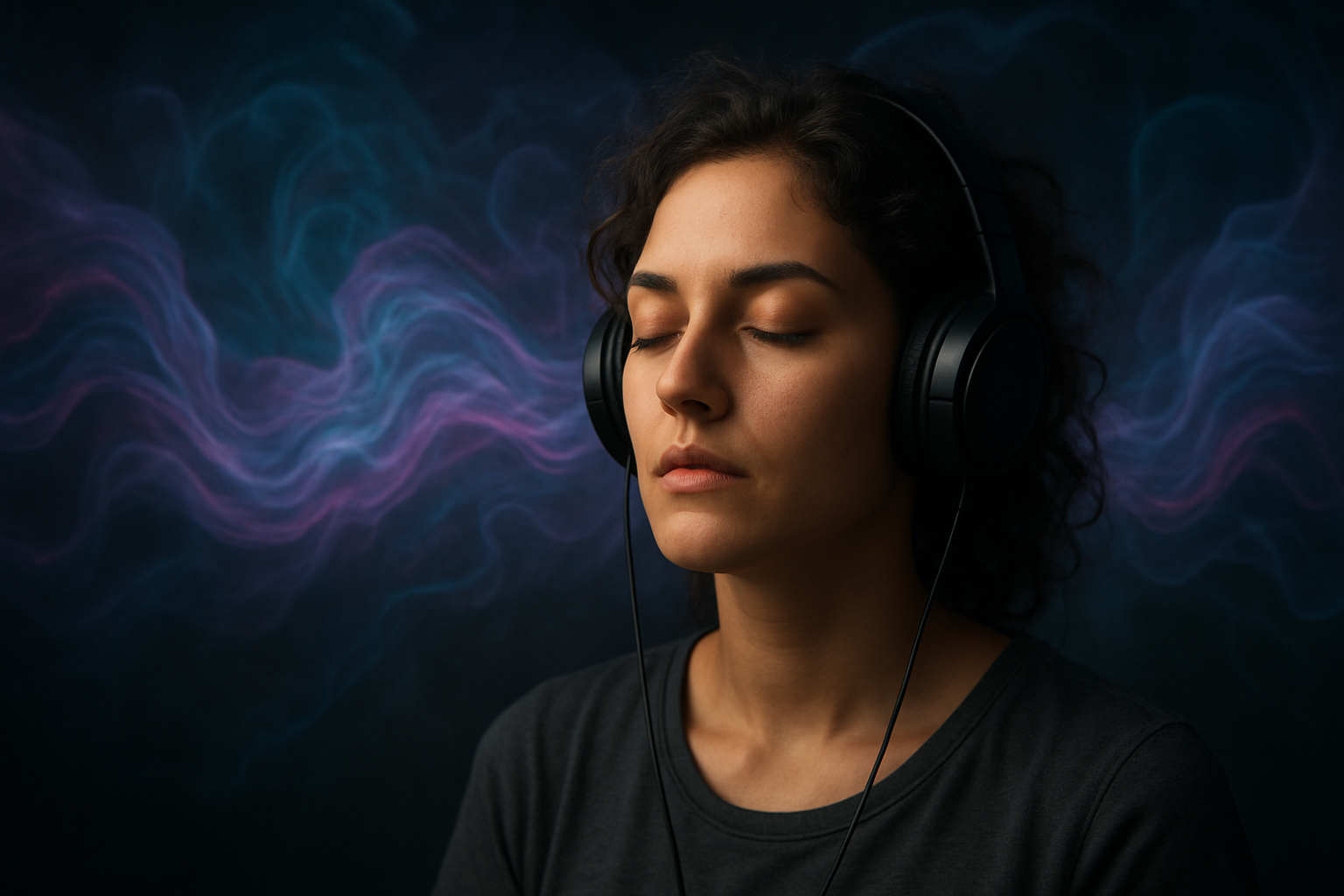
    Experimental music is often an exploration of the unknown, a journey into the depths of sound that challenges the boundaries of what we consider music. This genre defies conventional music structures and embraces innovation, making it a rich and intriguing field that taps into the subconscious mind. From the subtle echoes of ambient soundscapes to the stark dissonance of noise music, experimental music invites listeners to experience a profound and often enlightening aural landscape.

    The Roots of Experimental Music

    The seeds of experimental music were planted in the early 20th century with artists like John Cage, who questioned the very nature of music. Cage’s philosophy was encapsulated in his seminal piece, 4’33”—a composition consisting of silence, urging audiences to perceive environmental sounds as music.

    “Music is continuous; only listening is intermittent.” – John Cage

    These early explorations paved the way for a variety of experimental genres that followed, from minimalism to electronic music, and on to the avant-garde movements of the 21st century.

    Characteristics of Experimental Music

    • Non-traditional Instruments: Experimental music frequently utilizes unconventional instruments, or even common objects as instruments, to create new sounds.
    • Electronic Innovation: The use of synthesizers, computers, and other electronic devices has been pivotal, allowing artists to manipulate sound in revolutionary ways.
    • Structure and Form: Traditional music is often measured and structured; experimental music, however, embraces free-form structures and atypical time signatures.
    • Conceptual Approaches: Many pieces aim to convey philosophical or conceptual ideas, encouraging audiences to engage with the music on an intellectual level.

    Notable Artists and Influencers

    Several artists have made significant contributions to the realm of experimental music. Brian Eno, considered the father of ambient music, has created soundscapes that explore the interaction between sound and listener. His album Music for Airports remains a cornerstone of the genre.

    “Ambient music must be as ignorable as it is interesting.” – Brian Eno

    Other influential figures include Philip Glass and Steve Reich, known for their minimalist compositions. Through repetitive structures and gradual process development, they have helped expand the expressive potential of music.

    The Impact on the Subconscious

    One of the most compelling aspects of experimental music is its ability to affect the subconscious. By breaking away from traditional musical forms, it engages listeners’ minds in unique ways. The unpredictability and novelty of the sounds can lead to altered perceptions and provoke deep emotional and psychological responses.

    Studies have shown that music has a profound impact on brain activity, with experimental music particularly effective at engaging creativity and evoking imagery. This resonates with the concept of ambient soundscapes, which can transport listeners to varied mental or emotional environments.

    Challenges and Criticism

    Despite its profound impact, experimental music often faces criticism. Its departure from established norms makes it challenging for some audiences to appreciate. Critics argue that it lacks coherence or that it eschews melody and harmony, essential elements of traditional music.

    “The notion that a piece of music should be a riddle to be decoded is a view that has grown less popular, but opinions remain divided.” – The Guardian

    However, for proponents of experimental music, its value lies precisely in this departure from convention. It encourages listeners to open their minds to new possibilities, to experience art in its most abstract form.

    Conclusion

    Experimental music offers a vast and unexplored soundscape, continually challenging and expanding our understanding of music. It is an artistic endeavor that triggers introspection, providing a canvas where the subconscious can paint its narratives. By embracing the non-traditional, experimental music invites us to hear anew, awakening a deeper consciousness within.

    As we continue to explore these soundscapes, the boundaries of what is possible with music are continually redefined, and our understanding of the subconscious and its interaction with sound is enriched.

    For those willing to dive into the depths of the experimental, the rewards are profound—a richer engagement with sound that resonates far beyond the auditory.

  • From Analog to Zen: The Evolving Path of Photographic Contemplation

    From Analog to Zen: The Evolving Path of Photographic Contemplation

    From Analog to Zen: The Evolving Path of Photographic Contemplation

    From Analog to Zen: The Evolving Path of Photographic Contemplation

    Introduction

    Photography has always been a deeply philosophical medium. From its analog origins to today’s digital expressions, photography invites practitioners and observers alike into a dialog with time, memory, and the self. In this article, we explore how photography’s evolution parallels contemplative practices, focusing on the transition from analog processes to more meditative and mindful approaches in the digital age, which can be equated metaphorically to a path toward Zen.

    The Analog Era: Labor and Limitation

    The advent of photography in the 19th century brought with it a technical and artistic revolution. Analog photography taught the photographer a certain discipline and patience. The manual process of developing film in a darkroom, the necessary knowledge of chemicals, and the anticipation involved in waiting for the final image imbued the practice with a sense of craft.

    The act of making a photograph was itself a meditative process. Each image was meticulously crafted, a direct interaction between human ingenuity and nature’s unpredictability.

    • The Tangibility of Film: Analog photography provided a tangibility that is often missing in digital formats. Holding a print or a strip of developed film connects one more directly to the photographic process.
    • Slowness as Virtue: The need to carefully choose each shot because of limited exposures meant that photographers had to be more mindful and present in the moment.
    • Flaws and Imperfections: Every film photo carried unique imperfections, a humbling reminder of the bond between chaos and creation—a theme central to Zen philosophy.

    The Digital Transition: From Quantity to Quietude

    With the rise of digital photography, the landscape of photographic contemplation shifted dramatically. The ability to take countless photos without waiting for development spurred a cultural change. While this democratized photography, it also introduced a tendency towards quantity over quality.

    “Digital images are immeasurable, easily manipulated and endlessly reproducible—qualities that evoke a new kind of impermanence.”—[Author’s Name]

    • Instant Gratification: Digital devices offer immediate feedback, but this can detract from the slow, contemplative process of image-making.
    • The Loss of Ritual: Enhancements and filters can overshadow the photographer’s original vision, leading to a loss of the ritualistic nature of photography.
    • Resurgence of Mindfulness: Many photographers are now intentionally returning to analog techniques or incorporating mindfulness practices into their digital work to recapture the contemplative essence.

    Zen and the Art of Photography

    The aesthetic concepts in Zen Buddhism, such as simplicity, the absence of clutter, and a profound connection to the present moment, have long been echoed in photography. The natural evolution of photography from a technical craft to a contemplative art form reflects the path to Zen.

    The Zen Principles in Photography

    • Wabi-Sabi: Embracing transience and imperfection, both crucial elements in capturing authentic moments.
    • Satori: A sudden enlightenment or clarity. In photography, this may translate to the unexpected, perfect photo.
    • Focus on Emptiness: Using negative space intentionally, inviting the viewer into a meditative state.

    The Modern Photographer: A Journey Within

    Today’s photographers, equipped with the tools of both worlds, stand at the crossroads of technology and tradition. Many artists are finding their path to Zen through their lens, where each click of the shutter is a breath in meditation.

    “Photography takes an instant out of time, altering life by holding it still.”—Dorothea Lange

    • Making Photography Meditative: Incorporating mindful practices in photography sessions can transform the art into a meditative experience.
    • Intentionally Analog in a Digital World: Some photographers choose to slow down the process intentionally, creating limits within digital frameworks.
    • Philosophical Exploration: Photography as a tool to explore existential questions and capture the intersection of time and place.

    Conclusion

    From its analog beginnings to the digital revolution and beyond, photography continues to evolve, mirroring our own philosophical and contemplative journeys. As technology advances, photographers find new ways to practice restraint, seek mindfulness, and capture the fleeting moment in this ever-changing landscape. Thus, the path from analog to Zen is not merely about the evolution of photographic technology, but about discovering an art form that reflects a deeper inner stillness and the beauty of life’s impermanent moments.

  • The Body Electric: Performance Art as Spiritual Medium

    The Body Electric: Performance Art as Spiritual Medium

    In the ever-evolving landscape of art, performance art stands as a unique and transformative form, aptly described in Marina Abramović’s words: “Performance is a mental and physical construction that the artist creates, transforming one into a vessel to be filled with emotions and experiences.” This power of transformation speaks to the heart of performance art’s potential as a spiritual medium.

    The Genesis of Performance Art

    Emerging from the avant-garde traditions of the early 20th century, performance art evolved as a rebellion against conventional forms. Influenced by Dadaism, Surrealism, and the Fluxus movement, the art form sought to capture the immediacy of life and the presence of the artist. Historically, performance art was a vehicle for the anti-art sentiments expressed by pioneers such as Marcel Duchamp and Yoko Ono, who redefined the boundaries of what art could be.

    Defining the Spiritual Medium

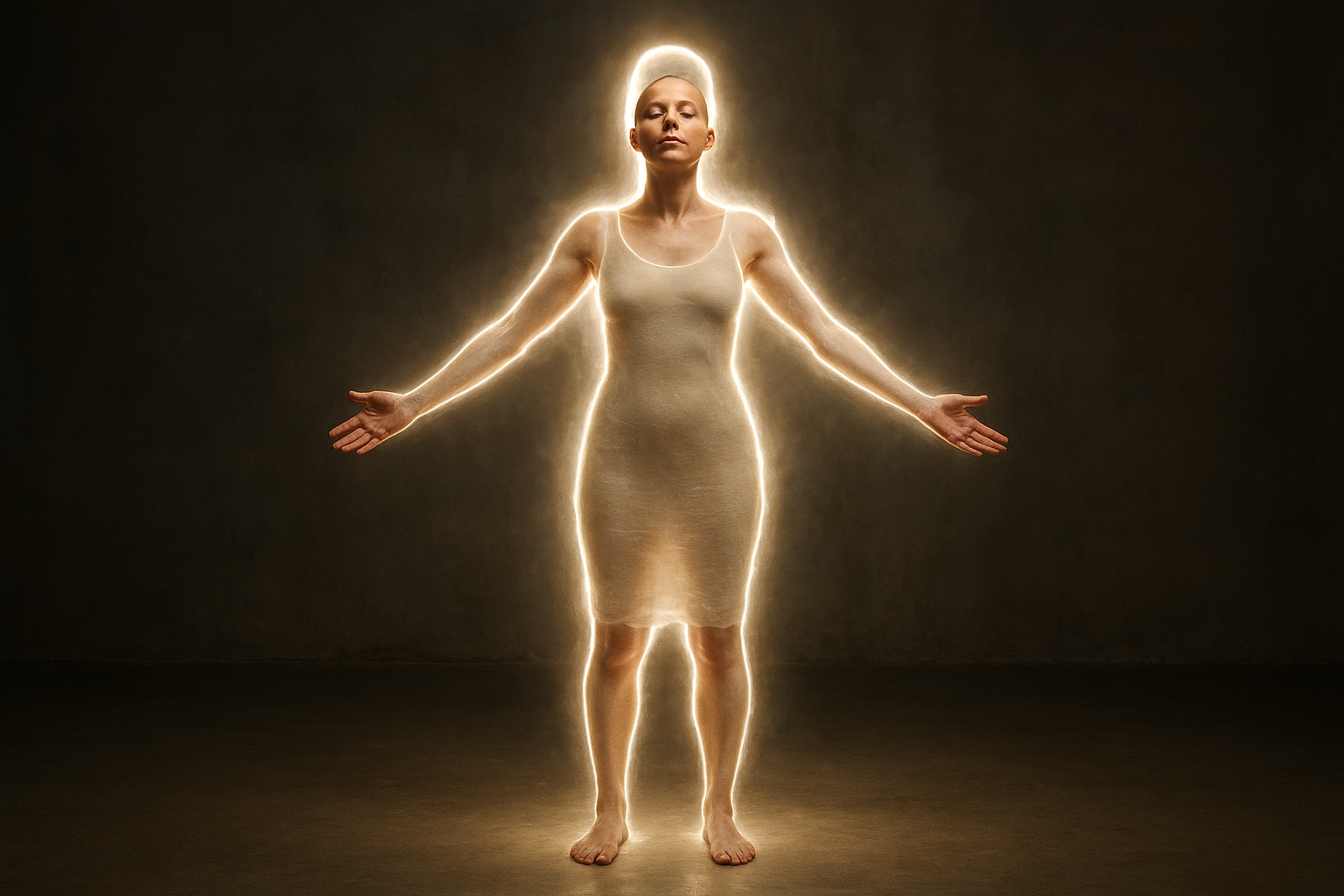
    Performance art transcends traditional spiritual practices by engaging in a physical dialogue with the metaphysical. Artists utilize their bodies as canvases, communicating unspoken truths and exploring states of consciousness. This connection between body and spirit forms a critical tenet of performance art as a spiritual medium.

    The Role of the Artist

    • Conduit of Experience: Artists often view themselves as conduits, channeling energy, emotion, and spiritual awareness through their performances.
    • Embodied Ritual: Performance art becomes a ritualistic expression, where repetitive actions or endurance-based experiences evoke spiritual states.

    “When you perform, you are opening yourself as a channel to whatever emotions, energies, or spiritual experiences might arise.” — Marina Abramović

    Landmark Works and Their Spiritual Resonance

    The journey of performance art as a spiritual medium is best illustrated through landmark works that have perpetuated this enigmatic connection.

    Yves Klein: Leap into the Void

    In 1960, Yves Klein’s famous photographic montage, “Leap into the Void”, captured the artist in mid-air, defying the physical laws of nature. Klein referred to his leap as an act of faith, opening a pathway to the infinite and expressing the notion of trust in spiritual surrender to unknown forces.

    Marina Abramović: The Artist is Present

    In 2010, Marina Abramović’s iconic piece “The Artist is Present” invited viewers to sit in silence with her, creating a shared meditation space. This meeting of energies transformed a simple gaze into a profound spiritual communion. Abramović held the space for a reverent interaction, where both practitioner and participant transcended the confines of the museum setting.

    Chris Burden: Trans-Fixed

    Chris Burden’s radically controversial work, “Trans-Fixed” (1974), saw him crucified on a Volkswagen Beetle, invoking powerful religious iconography. Through this intense ordeal of endurance, Burden offered himself as a living representation of self-sacrifice, inviting audiences to confront themes of pain, devotion, and transcendence.

    The Mechanism of Spiritual Engagement

    Performance art engages spirituality through several mechanisms:

    Silence and Stillness

    • Meditative Experiences: Works often employ silence or stillness, akin to meditation, allowing both artist and audience to delve into introspection and contemplation.

    Ritual and Repetition

    • Collective Consciousness: The repetitive nature of some performances elevates the act to a spiritual ritual, linking human consciousness in shared experiences.

    Emotional Rawness

    • Unfiltered Expression: Performance art forgoes pretensions to focus on raw, visceral emotions. The artist’s vulnerability invites empathy and unity from the audience.

    The Audience as a Spiritual Participant

    Performance art establishes an inclusive dynamic, invoking the audience as an essential part of the spiritual experience. As Joseph Beuys once suggested: “Everyone is an artist.” This concept reflects the interactive nature of performance art, where audience members are not passive observers, but active participants in the spiritual exchange.

    Transformative Witnessing

    • Empathy and Catharsis: Audiences often undergo emotional transformations, perceiving the performance as a catalyst for their own spiritual reflections.

    Collective Energy

    • Unified Experience: The shared energy within the performance space fosters a collective journey, bridging individual spirits into unified consciousness.

    Conclusion: The Eternal Dance of Body and Spirit

    In the realm of performance art, the body becomes the ultimate medium through which spirituality is both explored and expressed. Artists like Marina Abramović, Yves Klein, and Chris Burden have demonstrated that through performance, art transcends its traditional boundaries and becomes a sacred vehicle for spiritual exploration and transformation.

    As contemporary artists continue to blur the lines between art and spirituality, the bodily engagement with the electric current of spiritual consciousness promises to deepen our understanding of our own spiritual nature. In witnessing performance art, with all its unfiltered emotions and transcendent possibilities, we become participants in a never-ending dance of body and spirit.

    The future of performance art holds the potential for even more profound spiritual awakenings, where the unseen world of the spirit is brought forth into vivid expression. In this dance of the body electric, art becomes not just a reflection of the soul, but an invitation to delve into the mysterious essence of existence itself.

  • Breaking the Mold: Why Abstract Art Still Matters

    Breaking the Mold: Why Abstract Art Still Matters

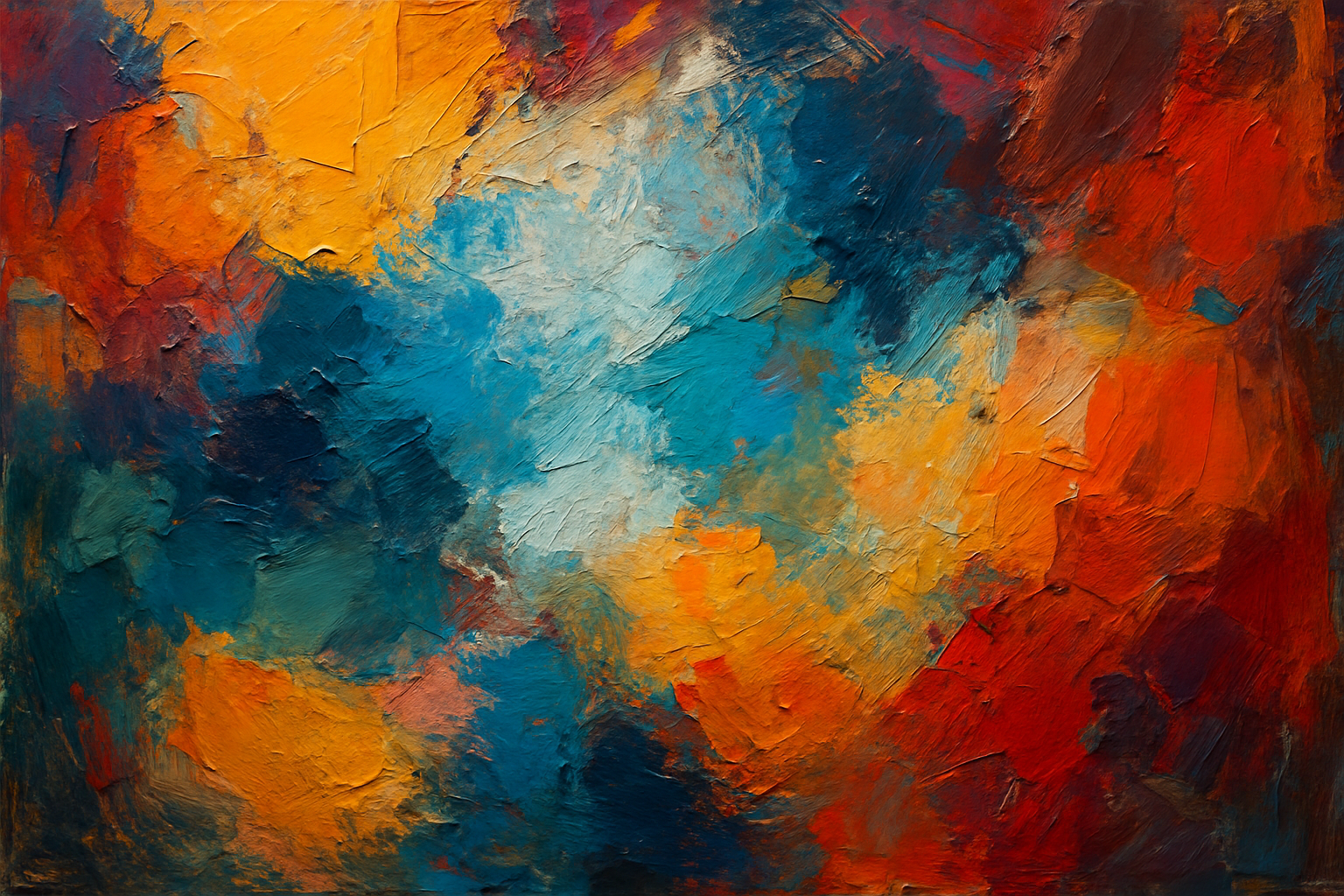
    Abstract art, with its roots in the early 20th century, continues to captivate and provoke, challenging our ideas about reality and the role of art in society. While some critics may question its relevance in our contemporary world, abstract art persists, demanding both critical and emotional engagement from viewers. But why does abstract art still matter today?

    The Historical Significance of Abstract Art

    Abstract art emerged as a radical departure from traditional representation. Artists like Wassily Kandinsky, Piet Mondrian, and Kazimir Malevich sought to convey ideas and emotions without depicting the physical world directly. As Tate Modern describes, abstract art “uses a visual language of shape, form, color, and line to create a composition which may exist with a degree of independence from visual references in the world.”

    The significance of this shift cannot be overstated. It represented a break from centuries of art history that celebrated realistic portrayal and paved the way for new ways of thinking about what art could be. Mark Rothko once expressed that “a painting is not a picture of an experience, but is the experience.” This perspective elevated art from mere representation to an embodied experience.

    Abstract Art as a Medium of Expression

    One reason abstract art remains important is its capacity for personal expression. Unlike representational art, which often aims to depict the material world, abstract art can convey more complex ideas and emotions. As Jackson Pollock famously stated, “I have no fear of making changes, destroying the image, because the painting has a life of its own.” This dynamic process allows abstract artists to explore the unconscious and communicate on a deeply personal level.

    The Impact on Contemporary Art

    The influence of early abstract art on contemporary artists is indisputable. Modern artists continue to explore abstraction in new ways, utilizing advanced technology and media to push boundaries further. As noted in the Museum of Modern Art collections, artists like Gerhard Richter and Agnes Martin have expanded on the principles of abstraction to explore themes of perception and reality.

    Richter once said, “I pursue no objectives, no system, no tendency; I have no program, no style, no direction. I have no time for specialized concerns, working themes, or variations that lead to mastery.” This philosophy highlights the enduring appeal of abstract art: its rejection of conventions and embrace of the uncertainties of expression.

    The Role in Societal Reflection and Change

    Abstract art also plays a critical role in reflecting and responding to societal changes. In periods of political turmoil or cultural shifts, abstract forms can articulate collective anxieties and hopes. The Black Arts Movement of the 1960s, for instance, saw artists using abstraction to address themes of identity and empowerment.

    This tradition continues today as artists such as Julie Mehretu challenge notions of geography, history, and politics through complex abstract works. Mehretu’s layered paintings encapsulate the chaos and interconnectedness of the modern world, asking viewers to engage with pressing global issues.

    Emotional Resonance

    Despite its often intellectual underpinnings, abstract art resonates on an emotional level. As Rothko noted, “Art to me is an anecdote of the spirit, and the only means of making concrete the purpose of its varied quickness and stillness.” This emotional depth invites viewers to connect with art in a visceral way, accessing feelings that might not be accessible through logical discourse or representational imagery.

    Conclusion

    Abstract art remains a powerful force within the art world and beyond because it challenges, provokes, and inspires. It defies easy interpretation, pushing viewers to contemplate not only what they see but how they feel. As society continues to evolve, abstract art serves as both a mirror and a questioner, encouraging us to reconsider the boundaries of reality and the possibilities of human expression.

    In a world increasingly driven by data and realism, abstract art offers a necessary counterbalance: a reminder of the unquantifiable elements of human experience. As such, it remains as vital and relevant today as it was a century ago.

  • The Sacred and the Screen: Modern Worship in a Secular World

    The Sacred and the Screen: Modern Worship in a Secular World

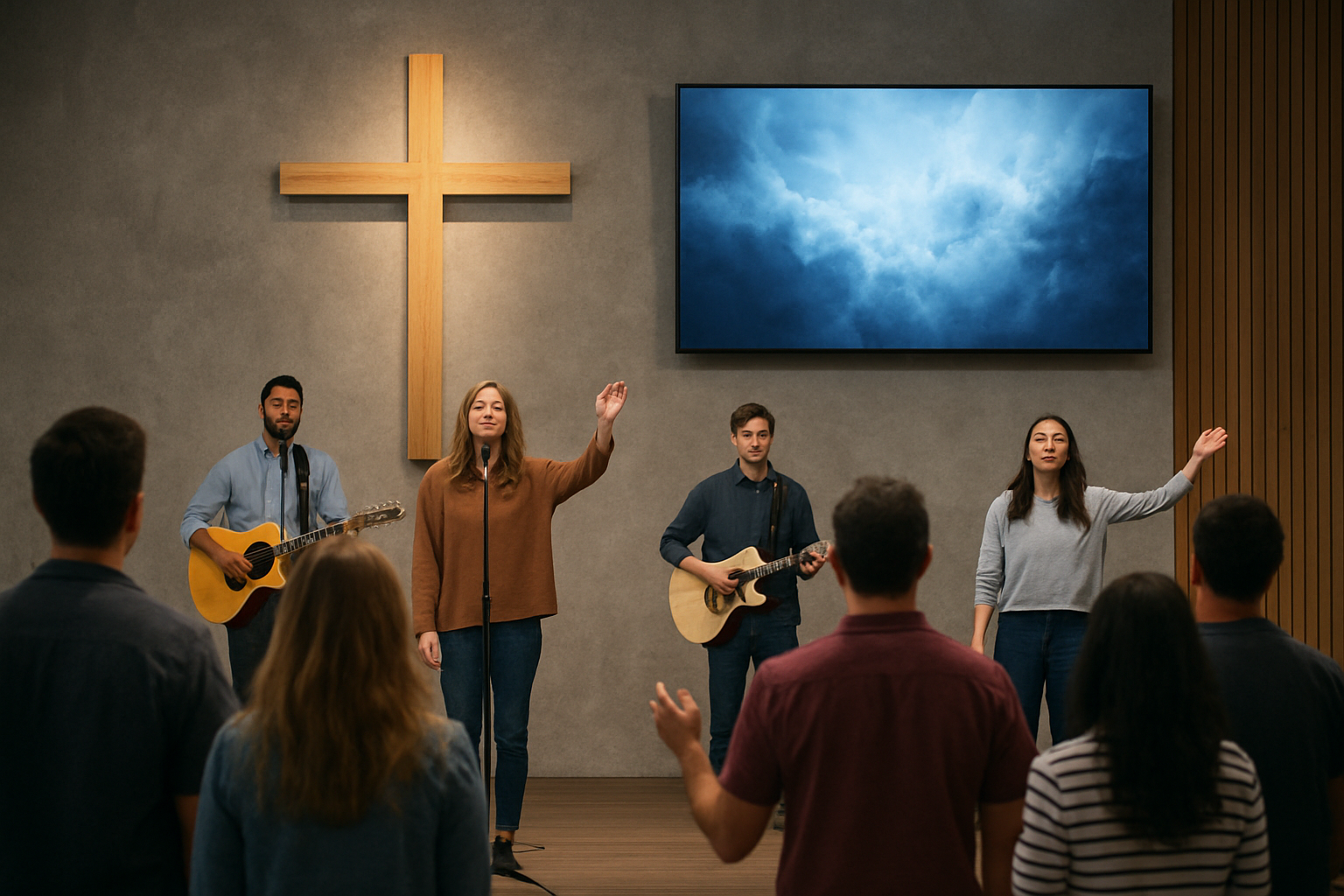
    In the bustling backdrop of our modern secular world, the notion of worship takes on new forms and finds new venues, often intersecting with the digital screens that have come to dominate our lives. As traditional religious practices vie for attention with captivating digital media, the sacred finds itself intertwined with the digital realm.

    The New Sacred Spaces

    The digital age has brought forth innovative ways to engage in spiritual practices, particularly as global events and societal shifts challenge traditional gatherings. Online worship offers a sense of community without the constraints of geographical boundaries. As one study notes, “Virtual spaces allow believers to gather for worship, prayer, and study, overcoming limitations of physical space and time.” [ResearchGate]

    • Virtual Congregations: Platforms like Zoom and Facebook Live have become new locales for worship, fostering a connection that transcends the physical domain.
    • Social Media Sermons: Spiritual leaders are increasingly utilizing Twitter, Instagram, and TikTok to share messages, providing inspiration and guidance in easily digestible formats.

    A Blurring of the Secular and the Sacred

    The blending of sacred traditions with modern technology raises compelling questions about the nature of sacred practices in a secular age. Digital tools don’t just serve as vessels but actively reshape religious experiences. According to Richard Cimino, a researcher of religion in the digital world,

    “Online worship has the potential to democratize religious authority, giving rise to new voices and interpretations.”

    [Taylor & Francis]

    • Podcasts and Apps: From meditative apps like Calm to religious podcasts that dive deep into theology, digital tools cater to personal spiritual journeys.
    • Interactive Devotionals: Websites and apps offer daily reflections, allowing individuals to engage with spirituality amidst their daily routine.

    Challenges Ahead

    Despite the blessings of digital spaces, they present significant challenges. The risk of losing intimacy and authenticity looms large, as does the potential for digital burnout. Balancing screen time with the need for genuine connection remains a critical task for modern believers.

    As we navigate these digital waters, it is imperative for spiritual seekers to critically engage with these tools, using them as means to enhance, not replace, tradition. In the paradox of modern worship, it is clear that while screens dominate our secular world, they can, with discernment, become portals to the sacred.

  • Framing the Feeling: Emotional Realism in Contemporary Photography

    Framing the Feeling: Emotional Realism in Contemporary Photography

    Photography has always been a medium that blurs the lines between reality and representation. In recent years, the rise of emotional realism in contemporary photography has created a new wave of storytelling that captures the unfiltered essence of human emotions. This genre celebrates the raw and often unrefined emotional states that reflect individual and collective human experiences. By focusing on authenticity and emotional depth, photographers create poignant narratives through their works.

    The Evolution of Emotional Realism

    Emotional realism in photography has its roots in documentary photography, yet it transcends mere documentation. Unlike traditional photojournalism that primarily aims to inform or raise awareness, emotional realism seeks to evoke emotion first, thus providing a more profound connection. This style draws influence from various arenas, including film, painting, and even literature, merging them into a uniquely photographic expression.

    Several prominent photographers have embraced this style, blending personal narratives with universal themes. According to art critic Arthur Danto, “The art of photography lies in the ability to express the ineffable through the visible image.” This notion has driven many artists to explore new emotional terrains.

    Characteristics of Emotional Realism

    • Authenticity: Unlike heavily staged or manipulated images, emotional realism thrives on authenticity. The photographers aim to capture moments as they are, allowing imperfections and transient emotions to shine through.
    • Emotional Depth: By focusing on deep emotional states, these photographs often resonate with viewers on a visceral level, evoking personal memories and responses.
    • Narrative Storytelling: Each photograph or series often tells a story, inviting viewers to engage with the narrative and reflect on their interpretations.
    • Personal Expression: Many photographers incorporate elements of their own lives or inner feelings, making their work introspective yet universally relatable.

    Pioneers of Emotional Realism

    Several contemporary photographers have pioneered this evocative style, making significant contributions to the field:

    • Sally Mann: Known for her series “Immediate Family,” Mann captures the intimate and often haunting moments of her own family life. Her work challenges viewers to reconsider notions of childhood innocence and familial bonds.
    • Nan Goldin: Through her “The Ballad of Sexual Dependency,” Goldin offers an unfiltered look into her life and the lives of her friends. Her work, often described as a visual diary, portrays moments of love, intimacy, and raw vulnerability.
    • Alec Soth: With his project “Sleeping by the Mississippi,” Soth embarks on a journey through the American Midwest, capturing the essence of solitude and longing in the lives of his subjects.

    These artists share a commitment to emotional truth, each framing their subjects in ways that amplify their impact.

    The Impact on Modern Audiences

    The emergence of emotional realism in photography has resonated deeply with modern audiences. In a world of curated perfection often portrayed on social media, these authentic depictions offer a breath of fresh air. They invite viewers to embrace imperfections, offering a sense of solace and connection.

    “Photography takes an instant out of time, altering life by holding it still.” — Dorothea Lange

    As Lange’s quote reflects, the ability of photographs to suspend time is powerful. Emotional realism taps into this ability, holding emotions in suspension—making them accessible to the viewer indefinitely.

    The Intersection with Social Issues

    Emotional realism often intersects with social and political issues, raising awareness and empathy. By highlighting personal experiences within larger societal contexts, photographers ignite conversations that transcend cultural and geographical boundaries.

    Photographer Zanele Muholi, for instance, utilizes emotional realism to document the lives of LGBTQ+ individuals in South Africa. Muholi’s work is not only a celebration of identity but also a brave political statement advocating for equality and human rights.

    Conclusion

    Emotional realism in contemporary photography continues to evolve as artists seek new ways to communicate the complexities of human emotions. These photographers remind us that beauty lies in the honest depiction of reality, with all its flaws and triumphs.

    As the world becomes increasingly image-driven, the role of photography in expressing emotions and provoking thought will only grow. The power of emotional realism lies not just in its visual impact but in its ability to create an intimate bond between the image and the viewer—a bond that transcends words, inviting deeper contemplation, empathy, and understanding.

  • Dissonance and Discovery: New Forms in Auditory Art

    Dissonance and Discovery: New Forms in Auditory Art

    Auditory art, a realm where sound transcends traditional musical boundaries, has always been a dynamic field of exploration. In recent years, an exciting trend has emerged: the embrace of dissonance as a tool for discovery. Artists are harnessing the power of unconventional sound structures to challenge listeners and expand the auditory experience.

    The Nature of Dissonance

    Dissonance, often characterized by tension and instability in sound, breaks away from harmonious norms. While harmony aims to soothe and unify, dissonance provokes and incites a reaction. According to Encyclopaedia Britannica, dissonance “creates a sense of unrest,” paving the way for resolution or further exploration.

    Modern Auditory Explorations

    Contemporary auditory artists are increasingly incorporating dissonance as a critical component of their work, hoping to evoke deeper emotional responses from their audiences. These artists move beyond traditional melodies and rhythms to craft landscapes of sound that invite introspection.

    • Experimental Music: Musicians like John Zorn and Meredith Monk employ dissonance extensively. Monk, in particular, uses vocal techniques that challenge conventional tonal beauty, transforming voice into a multifaceted instrument.
    • Sound Installations: Sound installations leverage dissonance to engross audiences in new auditory worlds. Max Neuhaus’s “Times Square” plays with ambient noise, encouraging listeners to reconsider their acoustic environments.
    • Electronic Avant-Garde: Artists such as Aphex Twin and Autechre embrace the chaotic potential of electronic instruments, producing complex soundscapes that often defy traditional compositional logic.

    The Impact on Listeners

    Dissonance in auditory art invites listeners to move past mere consumerism and engage critically with what they hear. As Philip Ball notes in The Music Instinct: How Music Works and Why We Can’t Do Without It, “Dissonance challenges our brain, inviting us to use parts of perception that we often neglect” (Philip Ball).

    “There is no excellent beauty that hath not some strangeness in the proportion.” — Francis Bacon

    This historical perspective highlights the inherent beauty of dissonance, encouraging audiences to discover the aesthetics in what might initially seem jarring or unfamiliar.

    A Future of Sonic Innovation

    As auditory artists continue to experiment, the possibilities for innovation are boundless. By embracing the strange and unfamiliar, they not only redefine the limits of sound but also challenge cultural and emotional perceptions, leading us into uncharted auditory territories.

    Indeed, the journey through dissonance and discovery is not merely for artists but for all who are willing to listen and find beauty in the unexpected.