Category: MythCoeur

  • Beyond Belief: Non-Dogmatic Approaches to Modern Spirituality

    Beyond Belief: Non-Dogmatic Approaches to Modern Spirituality

    In an era characterized by rapid technological advancement and an ever-expanding horizon of knowledge, traditional modes of religiosity often feel insufficient. Many people today are seeking spiritual fulfillment without the confines of dogmatic beliefs, turning instead to individualized practices that resonate on a deeper, more personal level.

    The Shift Towards Spiritual Independence

    As globalization brings the world’s diverse spiritual traditions closer together, individuals are increasingly inspired to explore paths beyond conventional religious frameworks. This is evident in the growing numbers of people identifying as “spiritual but not religious” (SBNR). A 2017 study by the Pew Research Center highlights this trend, noting that 27% of American adults identified themselves as SBNR, almost doubling from 19% in 2012.

    “The need to believe in something greater than oneself… is one of the deepest yearnings of the human soul,” suggests James Hollis, Jungian psychotherapist and author.

    Core Principles of Non-Dogmatic Spirituality

    Moving beyond traditional beliefs doesn’t imply a rejection of all spiritual ideas but rather an embracing of core, universal principles that align with personal beliefs:

    • Empiricism and Personal Experience: Emphasis is placed on personal spiritual experiences rather than inherited doctrines. Individuals trust their own experiences and intuition as guiding forces.
    • Interconnectedness: Acknowledgment of the interconnected nature of all life often features prominently, influenced by both Eastern philosophies and Western ecological awareness.
    • Mindfulness and Presence: Practices such as meditation, yoga, and mindfulness are favored for their grounding effects, promoting a state of presence that fosters deeper insight.
    • Compassion and Ethics: These are universal anchors, providing moral guidance beyond dogmatic tenets.

    Paths to Personal Spiritual Expression

    The non-dogmatic approach to spirituality paves the way for a myriad of practices that serve the unique preferences of the individual:

    • Mindful Meditation: Popularized by figures like Jon Kabat-Zinn, mindfulness and meditation offer a non-religious route to spiritual exploration, focusing on the cultivation of awareness.
    • Yoga and Physical Expression: This ancient practice has been embraced worldwide as a spiritual discipline that harmonizes body and mind, often transcending its religious roots to become a secular wellbeing tool.
    • Creative Arts: Many find spirituality through creative outlets, harnessing the transcendence inherent in artistic expression—from music and painting to dance and theater.
    • Nature-Based Practices: Engaging with nature as a practice is a common form of modern spirituality, allowing one to attune to the rhythmic cycles and beauty of the earth.
    • Philosophical Inquiry: Engaging with philosophy cultivates a space for questioning, leading to profound insights that enhance one’s understanding of existence and spirituality.

    Challenges and Criticisms

    While non-dogmatic spirituality offers flexibility and inclusivity, it comes with its own set of challenges and criticisms:

    • Lack of Structure: The absence of a coherent framework can be overwhelming for some, leading to superficial practices without depth or consistency.
    • Consumerism in Spirituality: The commercialization of spiritual practices—termed “spiritual bypassing”—can detract from the authenticity of the spiritual quest, as noted by John Welwood, a clinical psychologist.
    • Isolation and Community: Traditional religions often offer a sense of community that non-dogmatic spirituality might lack, potentially leaving individuals isolated.

    Integrating Non-Dogmatic Practices into Daily Life

    Despite these challenges, many have successfully integrated non-dogmatic spiritual practices into their daily lives:

    “Spirituality exists in my daily life through mindfulness practices. I start each day with intention and reflection,” writes Elizabeth Gilbert, bestselling author of Eat, Pray, Love.

    • Daily Routines: Simple rituals such as journaling, setting intentions, or practicing gratitude can cultivate a sustained spiritual awareness.
    • Meditative Practices: Incorporating brief meditative pauses in a busy day helps ground and center oneself amid chaos.
    • Community Engagement: Participating in group activities such as book clubs, meditation groups, or even volunteering can reinforce spiritual connections without a religious framework.

    The Road Ahead

    The future of spirituality is increasingly fluid, with non-dogmatic practices leading the way towards a more inclusive and personalized approach. Technology further enhances these explorations, with apps and online communities providing resources and fellowship across distances.

    In conclusion, today’s spiritual seekers are redefining the boundaries of what it means to be spiritual. By engaging with practices that honor personal intuition and universal truths, they forge connections both to themselves and the wider world. The search for meaning, in its myriad forms, continues—and in this search, the reimagined spiritual paths emerge as hopeful beacons in a rapidly changing society.

  • The Aesthetics of Absence: What Modern Photography Leaves Out

    The Aesthetics of Absence: What Modern Photography Leaves Out

    In the age of digital saturation, where an estimated 1.8 billion images are uploaded every day, modern photography encompasses a striking paradox: the aesthetics of absence. This phenomenon challenges both photographers and viewers to explore the stories untold, the moments unlived, and the spaces unoccupied.

    The Power of What Isn’t Seen

    Modern photography often captures what is present, but its true artistry can lie in what is left out. As the acclaimed photographer Dorothea Lange once said,

    “Photography takes an instant out of time, altering life by holding it still.”

    With this power, photographers wield the choice to exclude, creating a narrative that invites imagination.

    • Negative Space: Absence in photography can manifest through negative space. This compositional technique allows simplicity to speak volumes, encouraging viewers to contemplate the void rather than the subject itself.
    • Missed Moments: Photographers may intentionally forego documenting chaotic, fleeting moments to focus on lingering emotions. This empowers viewers to craft personal stories, drawing from their own experiences.
    • Unoccupied Spaces: Images of empty urban landscapes or deserted interiors evoke a sense of transience and nostalgia. These photographs remind us of human presence through their notable absence.

    Impact on Audiences

    The aesthetics of absence in photography have a profound impact on how audiences interact with images. When subjects are omitted, the imagination fills gaps, which can make an image more personal and profound. According to an article by Tate, Lange’s iconic Migrant Mother is a prime example of this technique. Despite the absence of the father’s figure, the viewer senses his shadow looming over the family’s story of hardship and resilience.

    The Role of Technology

    Rapid advancements in technology offer tools that simultaneously expand and limit photographers’ choices. While photo editing software enables greater control over the final product, the integrity of absence can be compromised by temptation to overfill. Embracing minimalism, therefore, becomes a conscious counterbalance to the excess of possibilities.

    To fully appreciate modern photography’s aesthetics of absence, audiences must engage with what is missing as much as what is shown. As famed artist Henri Cartier-Bresson remarked,

    “The photograph itself doesn’t interest me. I want only to capture a minute part of reality.”

    Thus, what modern photography leaves out is just as crucial as what it includes, inviting viewers to construct their own narratives and find meaning beyond the frame.

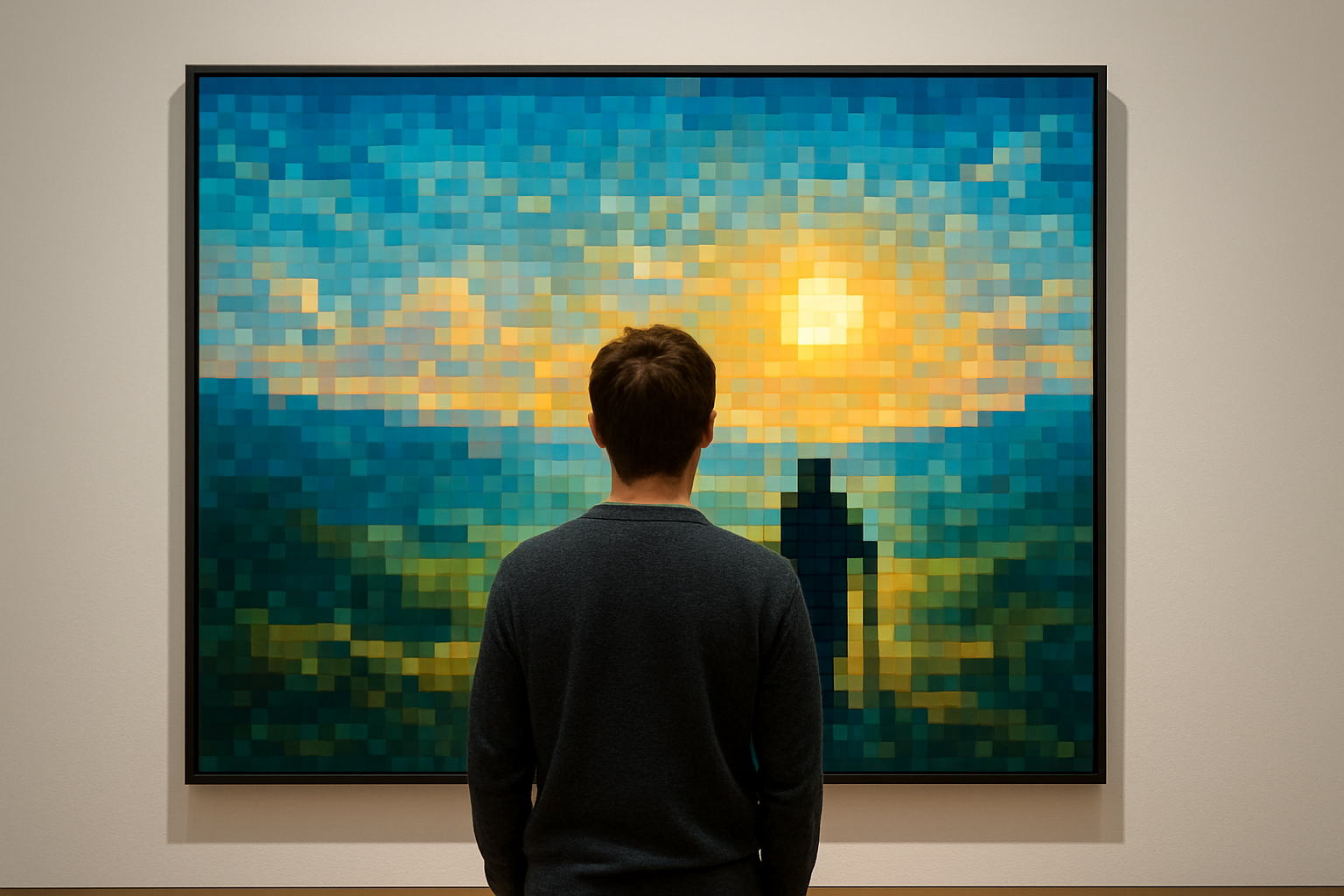
  • Pixel Pilgrimages: Digital Art and the Quest for Meaning

    Pixel Pilgrimages: Digital Art and the Quest for Meaning

    In a world where technology constantly reshapes our daily existence, digital art emerges as a potent force in the search for personal and collective meaning. This new age of artistic expression, driven by the pixel, invites both creators and observers to embark on profound journeys of understanding and reflection.

    The Rise of Digital Art

    Digital art is not merely a modern incarnation of traditional forms; it is a unique medium that stands at the intersection of technology, creativity, and philosophy. As technology advances, artists have tools that allow for previously unimaginable exploration of color, form, and multimedia.

    “Digital design is like painting, except the paint never dries.” — Neville Brody

    This limitless potential has spurred artists to delve deeper into existential themes, turning pixels into a tool for pilgrimage—a journey into the soul and the mysteries of existence.

    Exploring Existential Themes

    Digital art, with its flexibility, allows for the exploration of complex themes such as identity, reality, and connection. As images and experiences are shared across the globe with just a click, artists and viewers alike engage in a dialogue about what it means to exist in an increasingly digital world.

    • Identity: Artists like JODI deconstruct the concept of identity by manipulating digital interfaces and systems, questioning the binaries of self and other, online and offline.
    • Reality: Virtual reality installations, such as those by Jonathan Monaghan, offer immersive experiences that challenge the boundaries between the digital and the real.
    • Connection: Video game art and interactive installations create shared spaces for audiences, fostering a sense of community and shared exploration.

    A New Spiritual Journey

    The incorporation of digital art into personal and communal rites of passage is akin to a spiritual journey, a merging of the physical with the virtual. It allows us to explore our innermost thoughts and the grand questions of life in a space unbounded by the limitations of the material world.

    “The virtual reality experience is not about the technology. It’s about the creation of meaning.” — Chris Milk

    As we continue to navigate the complexities of the digital age, art becomes a vehicle for meaning-making, a lens through which we can see and understand our place in the universe. Pixel pilgrimages are not merely technological journeys but spiritual ones—quests for truth, connection, and a deeper understanding of the human experience.

  • The Body Remembers: Choreography as Embodied History

    The Body Remembers: Choreography as Embodied History

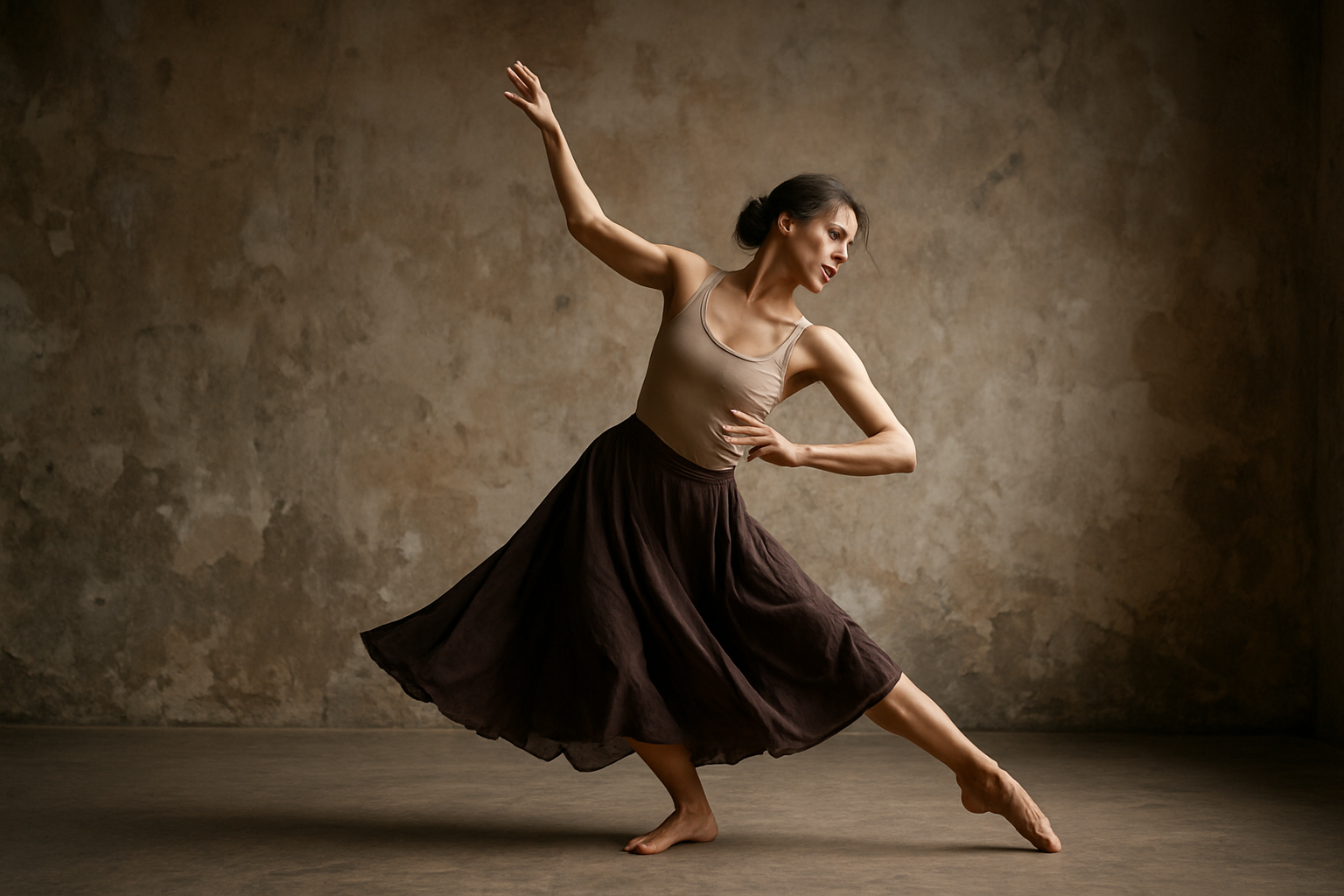
    Dance has long been a medium of expression, a channel through which cultures tell their stories, preserve their history, and envision their futures. In the world of choreography, each movement is more than just a step—it’s a narrative, an emotion, and indeed, an archive of human experience. This article delves into the profound concept of choreography as embodied history, exploring how the body serves as a living repository of collective memory.

    The Intersection of Memory and Movement

    Choreography transcends mere physical exercise; it is an art form that encapsulates the essence of memory and identity. As dance historian Mark Franko writes in his book, “Choreographing History,” “dance both resists and embodies history, constantly rewriting itself in the process of performance.”

    Each performance is unique in its execution, yet deeply rooted in tradition and the cumulative experiences of those who have danced before. The body, through dance, becomes a vessel of historical memory, preserving the intangible heritage of countless generations.

    Dance as Cultural Archive

    Across various cultures, dance has been used as a narrative tool to pass down stories and traditions. For example, the Bharatanatyam of India is not merely a dance form but a repository of ancient Indian narratives, philosophy, and cultural practices. The meticulous hand gestures (mudras) and facial expressions (abhinaya) are imbued with meanings that convey complex stories and emotions.

    “Dance is the hidden language of the soul,”

    as famously stated by Martha Graham, one of the pioneers of modern dance. Graham’s own works often drew on myth and legend, using choreography to engage with historical narratives and personal histories.

    The Modern Context: Choreography as Political Commentary

    In the contemporary dance scene, modern choreographers frequently use their platform to make poignant political and social statements. Pina Bausch, known for her innovative blend of movement, sound, and stage sets, created works that became critical commentaries on society and its complexities.

    One of her celebrated pieces, “Café Müller,” depicts the human condition’s challenges, using repetition and conflict within the choreography to express themes of fragility and resilience. As Bausch once remarked,

    “I’m not interested in how people move but in what moves them.”

    Through this, she captured the essence of choreography as a reflection of the societal zeitgeist, a political commentary written in the language of the body.

    Embodied History in Performance: The Body as a Living Archive

    Choreographers like Alvin Ailey have demonstrated how dance can serve as a historical chronicle. Ailey’s “Revelations” is an iconic masterpiece that channels the African American experience through profound musical and movement narrative, embodying cultural memory and resistance.

    According to the Alvin Ailey American Dance Theater, “Revelations” uses spirituals, song-sermons, gospel songs, and holy blues… to fervently explore the places of deepest grief and holiest joy in the soul.” Ailey’s choreography thus stands as an artistic testament to the resilience and history of a community within the broader American tapestry.

    Choreography and Social Memory

    Choreography has a pivotal role in social memory and collective identity. Through its interpretive nature, it provides a space for audiences to engage with their personal and collective pasts. The physicality of dance allows for metaphors that words can rarely achieve. In essence, dance is a dialogue between the past and present, a dance with history itself.

    Liz Lerman, a choreographer known for her collaborative approach to dance, highlights the importance of social memory. Her ensemble works invite diverse groups to share their stories and histories, thus making choreography an act of communal remembrance.

    Conclusion: The Lasting Imprint of Dance

    In conclusion, the art of choreography serves as a vital conduit for history and identity. By capturing the intangible essence of human experience in movement, it allows us not only to remember but also to connect. Dance nurtures the body and soul, crafting a living testament to the truths of human existence.

    As we move with this understanding, we honor the past, animate the present, and dance toward the future—a future enriched by the narratives and histories carried within our very bodies.

    Indeed, the body remembers, and in doing so, it keeps the history alive in the dynamic and transformative world of dance.

  • Seeing the Song: Visualizing Contemporary Musical Structures

    Seeing the Song: Visualizing Contemporary Musical Structures

    The intersection of music and visual art has long been a subject of fascination and critical analysis. In recent years, the evolution of technology has transformed this convergence, allowing contemporary artists and scholars to visualize musical structures in innovative ways. This intriguing dialogue between sound and sight prompts us to explore how we can ‘see’ the song.

    The Evolution of Musical Visualization

    The concept of visualizing music isn’t new. Attempts date back to the Baroque period, where visual art attempted to capture the essence of musical compositions. These early endeavors mainly focused on allegorical representations. Fast forward to the 20th century, and we see a more structured approach with composers like Wassily Kandinsky and Paul Klee, whose paintings often sought to express musical elements through color and form.

    “Color is the keyboard, the eyes are the harmonies, the soul is the piano with many strings. The artist is the hand that plays, touching one key or another, to cause vibrations in the soul.” – Wassily Kandinsky

    Digital Revolution and New Media

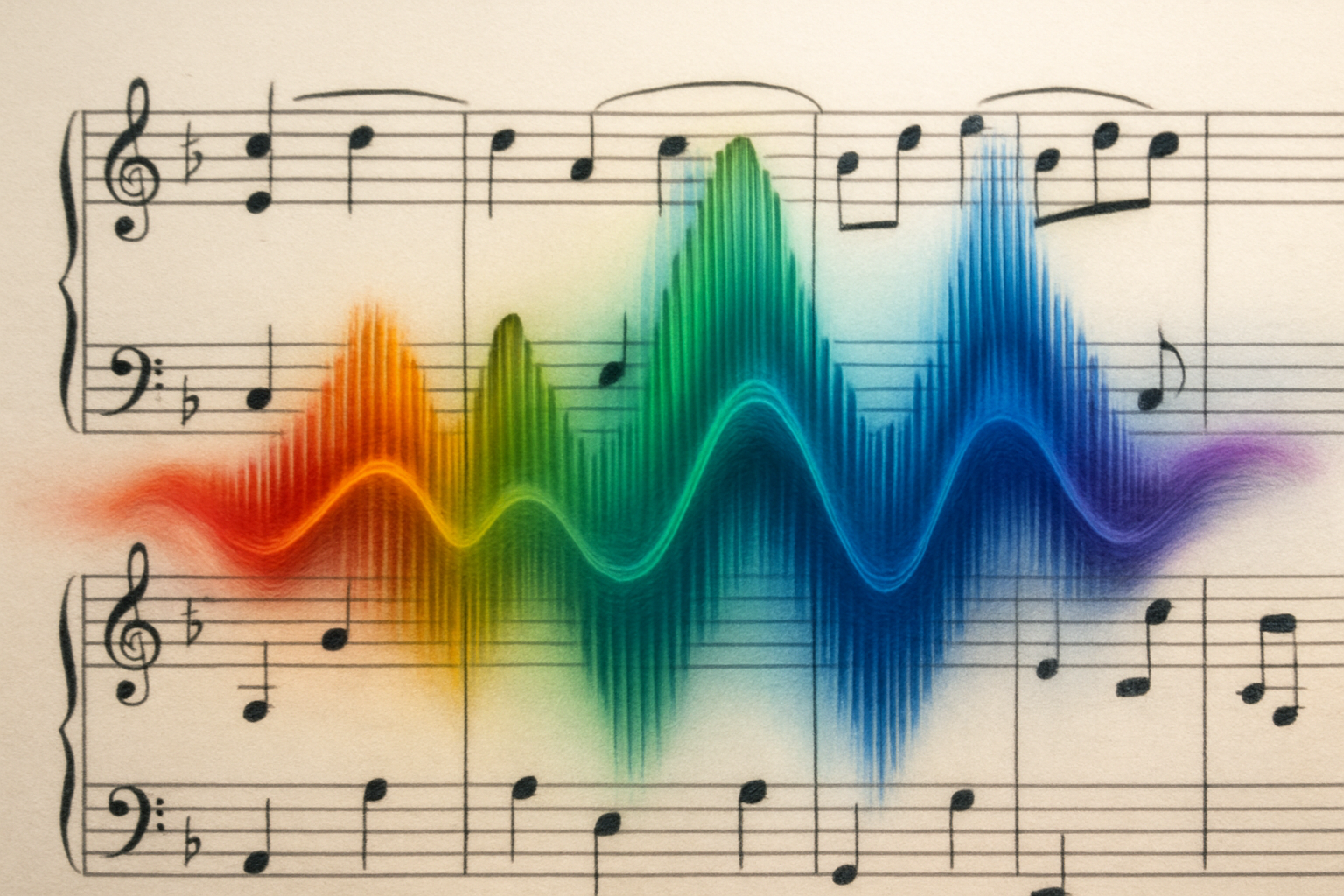
    With the advent of digital technology, the visualization of music has taken on new dimensions. Consider the impact of computers and software that can analyze musical data and represent it visually. This technology allows artists and scientists alike to explore music in a spatial context, using visuals to reveal patterns and structures that were previously intangible.

    The Role of Software and Algorithms

    Programs like Adobe After Effects and Processing have become essential tools for artists. They allow for the translation of sound waves into intricate designs that move in synchrony with the music. For instance, sound visualization in interactive installations uses sound frequencies to drive animations, transforming the auditory experience into a visual journey.

    Data Sonification

    Data sonification is another captivating trend whereby numerical data is represented through sound, often producing surprising musical results. Conversely, transformations of this auditory data back into visual form have revealed new aesthetic possibilities.

    • The Music Animation Machine: This tool translates classical music into visual scrolling scores, providing a visual representation of music’s temporal and harmonic structure.
    • Visit Music Animation Machine

    Graphic Scores in Contemporary Composition

    Graphic scores push the boundary of traditional music notation. They often employ a combination of symbols, colors, lines, and images to signify musical gestures and characteristics. Pioneered by composers like John Cage and Morton Feldman, these scores are as much pieces of art as they are guides for performance.

    Graphic scores invite performers to interpret the visual cues, creating unique, often unpredictable musical experiences. This openness exemplifies the fluidity between visual and auditory experiences and challenges conventional notions of how music should be notated and perceived.

    The Interplay of Synesthesia

    Synesthesia adds an intriguing personal layer to the visualization of music. This neurological phenomenon occurs when stimulation of one sensory pathway leads to automatic, involuntary experiences in another. For some individuals, music induces the perception of colors or shapes. This remarkable condition has inspired many artists, including Kandinsky, who often used his synesthetic experiences as a foundation for his art.

    “For Kandinsky, color was a means of exerting a direct influence upon the soul… color could be used in a painting as something autonomous and apart from a visual description of an object or other form.” – National Library of Medicine

    Case Studies in Music Visualization

    • Brian Eno’s “77 Million Paintings”: A generative piece of software art that visualizes tonal clusters and ambient soundscapes through constantly evolving visual images.
    • Ryoji Ikeda’s “data.scan”: Uses raw data output visualized in a minimalistic, digital aesthetic to create a symphony of sight and sound.

    Both Eno and Ikeda push the conventional boundaries of performance, using technology to present music as both an acoustic and a visual phenomenon.

    Conclusion: Envisioning the Future

    The visualization of music not only enhances our sensory appreciation but also deepens our understanding of musical structure and intention. As technology continues to advance, it offers tantalizing possibilities for creative expression and cross-disciplinary collaboration between musicians, visual artists, and technologists.

    In embracing these intersections, we are led to reconsider the very nature of music—the universal language of sound—and its ability to transcend traditional forms to engage audiences more holistically. As we move forward, we are reminded of the profound connections between seeing and hearing as we learn to read, interpret, and appreciate music not only with our ears but with our eyes.

  • The Sound of Silence: Ambient Music as Spiritual Practice

    The Sound of Silence: Ambient Music as Spiritual Practice

    In a world where noise permeates every aspect of life, ambient music emerges as an oasis of tranquility. Often dismissed as mere background noise, this genre holds transformative potential when engaged with deliberately. Ambient music can become a spiritual practice, a means to explore inner landscapes and find solace in silence.

    Understanding Ambient Music

    Ambient music, a term popularized by British musician Brian Eno in the 1970s, is designed to enhance an atmosphere or evoke a mood without demanding the listener’s full attention. Eno described it as “music as ignorable as it is interesting.” This duality is the essence of ambient music—it can be both a backdrop and a focal point of contemplation.

    The Spiritual Dimension

    Engaging with ambient music as a spiritual practice involves an intentional shift in how we listen. This practice parallels the contemplative traditions of many spiritual paths, where meditation and mindfulness lead to deeper self-awareness.

    “Music is the breath of love for a thousand years. Music has the power to soothe, to inspire, to heal, and to transform.” – Hazrat Inayat Khan

    This power of music to transform is central to using ambient music as a spiritual tool. When we listen with openness, ambient music can guide us into states of deep meditation, offering a gateway to the sacred silence within.

    Benefits of Ambient Music as a Spiritual Practice

    • Meditative Focus: The repetitive and fluid nature of ambient music can serve as an anchor for meditation, similar to chanting or breathwork. It aids in focusing the mind and reducing the incessant chatter of thoughts.
    • Emotional Healing: The calming qualities of ambient sounds can facilitate emotional release and healing. In Ståle Kleiberg’s words, “It evokes emotions that are not just about the music itself but about the listener’s own journey and experiences.”
    • Expansion of Awareness: Ambient music encourages a broader perception of reality. By listening intently, one can become more attuned to the subtleties of sound and silence, expanding awareness beyond the physical realm.

    Integrating Ambient Music into Daily Practice

    Integrating ambient music into a daily spiritual practice does not require significant effort or drastic changes. Here are some practical steps:

    • Create a Sacred Space: Design a space where you can listen without distractions. This could be a corner of a room adorned with spiritual symbols, incense, and comfortable seating.
    • Set an Intention: Before pressing play, set an intention for your listening session. Whether it’s seeking clarity, healing, or simply relaxation, a clear intention can guide the experience.
    • Mindful Listening: Focus on the sound without judgment or expectation. Allow the music to wash over you, observing any thoughts or emotions that arise with detachment.
    • Complement with Other Practices: Combine ambient music with other spiritual practices like yoga, tai chi, or journaling to deepen the experience.

    The Role of Technology

    With the proliferation of streaming platforms, ambient music is more accessible than ever. Platforms like Spotify and Apple Music offer curated playlists to fit various moods and intentions. Moreover, services like Headspace and Calm include ambient soundscapes as part of their mindfulness tools, reinforcing their role in spiritual and mental wellness.

    Renowned Ambient Artists

    A dive into ambient music is incomplete without exploring artists whose work embodies the spiritual depth of the genre. Among these are:

    • Brian Eno: Often considered the father of ambient music, albums like Ambient 1: Music for Airports served as a manifesto for ambient sound.
    • Harold Budd: Known for his ethereal piano compositions and collaborations with Eno, Budd’s work is a testament to ambient music’s capacity for emotional depth.
    • Steve Roach: A pioneer of ambient soundscapes, his album Structures from Silence remains a classic in the ambient genre.
    • Juliana Barwick: Her ethereal, looping vocals create immersive and transportive sound worlds that have a meditative quality.

    Conclusion

    In embracing ambient music as a spiritual practice, we invite ourselves to engage with silence and sound with heightened awareness. As we navigate the complexities of daily life, ambient music provides a path to inner stillness and spiritual exploration. By allowing ourselves to be enveloped by its gentle presence, we unlock the doors to our inner world, finding in the sound of silence a profound and sacred refuge.

  • The Weight of the Ancestors: Traditional Forms in a Modern Context

    The Weight of the Ancestors: Traditional Forms in a Modern Context

    The echoes of ancient traditions linger in the modern world, influencing art, culture, and society in diverse ways. Despite the rapid pace of global change, many traditional forms continue to find relevance and a stronghold in contemporary settings. These forms, deeply rooted in historical contexts, provide a sense of identity and continuity in an ever-evolving landscape.

    The Timelessness of Tradition

    As cultures evolve, traditional forms often serve as anchors, offering stability and a sense of belonging. Traditional dances, music, and art have perpetuated their significance, evolving yet maintaining their core essence. One example is the Japanese tea ceremony, or chanoyu, which embodies the principles of harmony, respect, purity, and tranquility. It remains a vibrant practice, teaching patience and mindfulness amidst today’s fast-paced life.

    Reinterpreting Traditional Arts in Modern Society

    The preservation of traditional arts in contemporary times often requires a fusion of the old with the new. Artists and practitioners are constantly finding novel ways to keep these forms alive, ensuring they resonate with modern audiences. The revitalization of traditional African music is a testament to this trend. Contemporary African musicians, like Nigeria’s Burna Boy, have blended traditional sounds with modern genres, bringing African rhythms to global audiences.

    • Burna Boy: Known for his Afro-fusion music, Burna Boy integrates traditional Nigerian music with global sounds, creating a unique style that resonates worldwide.
    • Preservation through Innovation: By innovating within tradition, modern artists can protect and promote their cultural heritage.

    According to a UNESCO report, such initiatives are crucial for cultural sustainability, as they bridge the gap between generations and promote cultural diversity.

    The Influence of Ancestral Wisdom

    Ancestral wisdom often finds expression through traditional forms, offering lessons that remain pertinent. Native American storytelling, for example, weaves together history, moral guidance, and entertainment, reflecting community values and philosophies. These narratives have adapted and endured, ensuring that they remain accessible and relevant to younger generations.

    “Traditional stories not only help us to connect with our past but also guide us in navigating the complexities of today’s world.” – Smithsonian Magazine

    Maintaining Cultural Identity

    Cultural identity is intrinsically linked to traditional forms, providing a unique lens through which communities view themselves. The Maori haka, a ceremonial dance of New Zealand’s indigenous people, epitomizes this connection. Originally performed during wartime, the haka has been adapted as a symbol of unity and pride in modern New Zealand, especially in sports and public ceremonial occasions.

    • Maori Haka: The haka’s transformation into a symbol of national pride highlights the potential of traditional forms to evolve without losing their essence.
    • Global Resonance: Traditional forms like the haka can transcend cultural boundaries, earning respect and admiration from diverse audiences worldwide.

    The Challenges of Modernization

    The modernization of traditional forms is not without challenges. The risk of commodification and loss of authenticity poses a threat to cultural heritage. As traditional artifacts and practices become commercialized, there can be a tendency to dilute their cultural significance for broader appeal.

    Moreover, globalization can lead to the homogenization of culture, where unique traditional forms risk being overshadowed by dominant cultural norms. This underscores the importance of conscious preservation efforts and educational initiatives.

    The Role of Technology

    Technology plays a crucial role in preserving and promoting traditional forms. Digital platforms offer new avenues for dissemination and engagement, allowing traditional practices to reach wider audiences than ever before. Social media channels, online workshops, and virtual reality experiences have become instrumental in sustaining cultural heritage.

    • Digital Preservation: Platforms such as YouTube and TikTok have enabled cultural practitioners to showcase and teach traditional forms globally.
    • Virtual Reality: VR experiences allow users to immerse themselves in traditional settings, experiencing cultural practices firsthand.

    As described by The Guardian, such technologies not only preserve traditional forms but also enrich them, enhancing their relevance for contemporary audiences.

    Conclusion

    The weight of the ancestors is indeed significant but equally empowering. Traditional forms continue to inform modern identities, acting as bridges between the past and present. As society progresses, it remains imperative to respect and preserve these cultural treasures in innovative ways, ensuring they continue to inspire and educate future generations.

  • The Glimpse of Eternity: Time and Stillness in Photography

    The Glimpse of Eternity: Time and Stillness in Photography

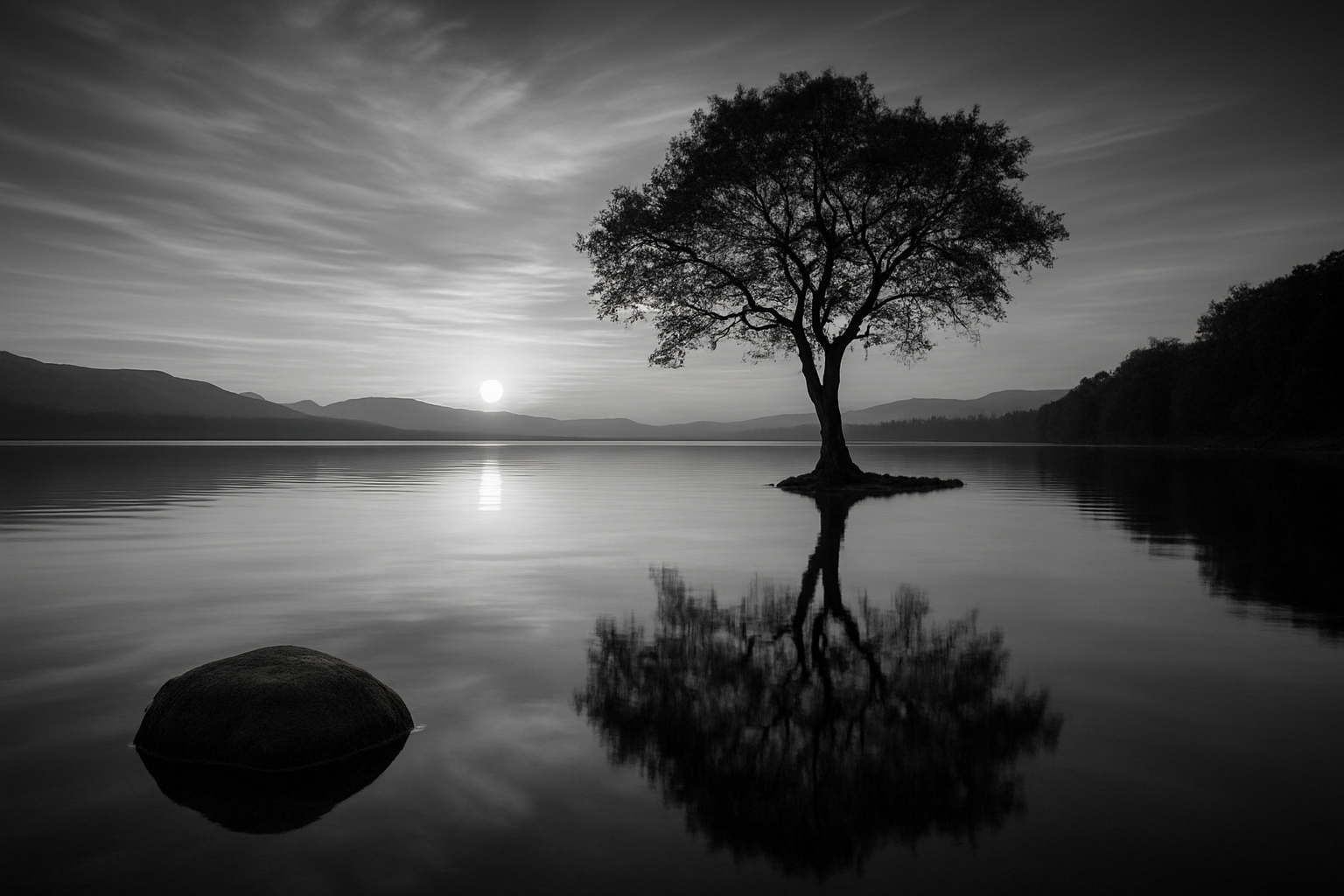
    Photography, at its core, is a medium that captures a single moment in time, allowing it to be observed in perpetuity. This unique capability transforms transitory moments into eternal records, offering viewers a chance to experience the intersection of time and stillness.

    The Essence of Capturing Time

    Time, an ever-flowing force, often seems intangible. Yet, photography provides a means to grasp it briefly and examine its nuances. In the words of renowned photographer Henri Cartier-Bresson, “To me, photography is the simultaneous recognition, in a fraction of a second, of the significance of an event” (Magnum Photos).

    This decisive moment, as Cartier-Bresson famously called it, underscores the power of photography to freeze a particular fraction of time and encapsulate the emotions, movements, and narratives of that instant. While the world moves on, that captured moment remains untouched by the relentless passage of time.

    Stillness in Motion

    In contrast to its ability to stop time, photography also highlights stillness amid chaos. Consider landscapes captured with long exposures; what should be a blur of activity becomes a calm vista, providing a sense of tranquility. These images offer a fresh perspective, urging viewers to find peace and beauty in the constant flow of life’s moments.

    • Long Exposure: Creates serene and ethereal landscapes by portraying moving elements as static.
    • Nature Photography: Captures the timeless beauty of the natural world, emphasizing the enduring nature of the environment.
    • Portraiture: Freezes expressions, allowing a moment of introspection and emotional connection.

    Alfred Stieglitz, a pioneer of modern photography, encapsulated this duality of time and stillness when he said, “In photography, there is a reality so subtle that it becomes more real than reality” (Wikiquote). His work not only highlighted the fidelity of photographic moments but also demonstrated photography’s potential to transcend mere representation.

    Endless Moments

    The future of photography lies in evolving technology, but its essence remains the same: the delicate blend of time and stillness. As photographers and viewers, the journey is in exploring these captured moments and allowing them to shape our perception of time’s passage and the beauty of the present.

    Ultimately, photography offers us a glimpse into the eternal—a silent narrative of the past, present, and perhaps the future, encouraging us to pause, reflect, and appreciate the world through its timeless lens.

  • Shifting Perspective: When Tradition Becomes Inspiration

    Shifting Perspective: When Tradition Becomes Inspiration

    In a rapidly evolving world, the delicate balance between innovation and tradition often fuels debates across diverse fields—from technology to art and culture. As society advances, there is an inclination to view traditions as relics of the past. However, many are beginning to realize that traditions can serve as a profound source of inspiration, bridging the generational gap and fostering a sense of identity and continuity.

    The Role of Tradition in Modern Society

    Traditions are the bedrock of cultural identity. They provide a sense of belonging and continuity that is pivotal amidst the transient nature of contemporary life. According to a Britannica article, “Traditions offer a way for societies to maintain a connection with their cultural heritage while providing frameworks within which new ideas can be explored.”

    The past decade has seen a resurgence of interest in cultural practices and traditional crafts. From artisanal goods becoming increasingly popular among younger generations to the adoption of sustainable farming practices inspired by traditional methods, the old is becoming new again.

    Tradition as a Catalyst for Innovation

    Interestingly, rather than stifling creativity, traditions often serve as a springboard for innovation. Historically, many great innovators have drawn deeply from traditional knowledge and practices. For example, architect Frank Lloyd Wright famously stated, “Every great architect is — necessarily — a great poet. He must be a great original interpreter of his time, his day, his age.”

    Wright’s designs, such as the iconic Fallingwater, are testaments to the seamless integration of modernist designs with natural landscapes, drawing from Japanese traditional aesthetics that emphasize harmony with nature.

    Examples of Tradition Fueling Innovation

    • Fashion: The fashion industry continually revisits traditional attire. For instance, the Indian sari is continuously reimagined by designers worldwide who incorporate modern fabrics and cuts while retaining its essence.
    • Technology: In the tech world, traditional algorithms and ancient problem-solving methods are often revisited and adapted to solve new-age problems. The inspiration from the abacus, an ancient calculating tool, can be seen in today’s computer programming.
    • Cuisine: Culinary arts also demonstrate the fusion between tradition and innovation with chefs globally taking classic dishes and giving them a modern twist, like molecular gastronomy that transforms traditional Indian spices into new forms.

    Preservation Versus Progress

    While the blend of tradition and innovation can lead to remarkable outcomes, this synergy often comes against a backdrop of tension between preservation and progress. The fear is that as we innovate, we might lose sight of the original cultural significance of these traditions.

    “The risk of transforming traditions is that they might lose their authenticity,” notes cultural anthropologist Dr. Emily Ryder. “However, when approached with respect and an understanding of their origins, innovation can lead to a revitalization of these traditions, making them relevant to younger generations.”

    Therefore, the challenge lies in ensuring that while traditions are being transformed, their essence remains intact, allowing them to inspire future generations.

    The Future of Tradition-Inspired Innovation

    The future holds exciting potential for tradition-inspired innovation. As global awareness of cultural diversity improves, the appreciation for traditional knowledge and practices is likely to deepen. This growing sensitivity can facilitate more responsible and respectful adaptations of traditions in modern endeavors.

    One notable example is the increased incorporation of indigenous knowledge in environmental conservation efforts. By integrating traditional ecological knowledge with modern scientific practices, environmentalists can develop more sustainable approaches to managing natural resources. A report by the Intergovernmental Panel on Climate Change highlights, “Combining indigenous and local knowledge with the latest scientific research contributes to greater resilience and reduces vulnerability to climate change.”

    Conclusion

    In conclusion, traditions should not be viewed solely as instruments of the past but rather as dynamic, living entities capable of inspiring novel expressions across various disciplines. By respecting and embracing the lessons embedded in traditions, society can unlock a wellspring of inspiration that fuels innovation while retaining a strong sense of identity.

    As we move forward, the challenge for individuals and communities alike will be to strike a harmonious balance—honoring the rich tapestry of our cultural heritage while simultaneously forging paths toward a future that is both innovative and deeply rooted in tradition.

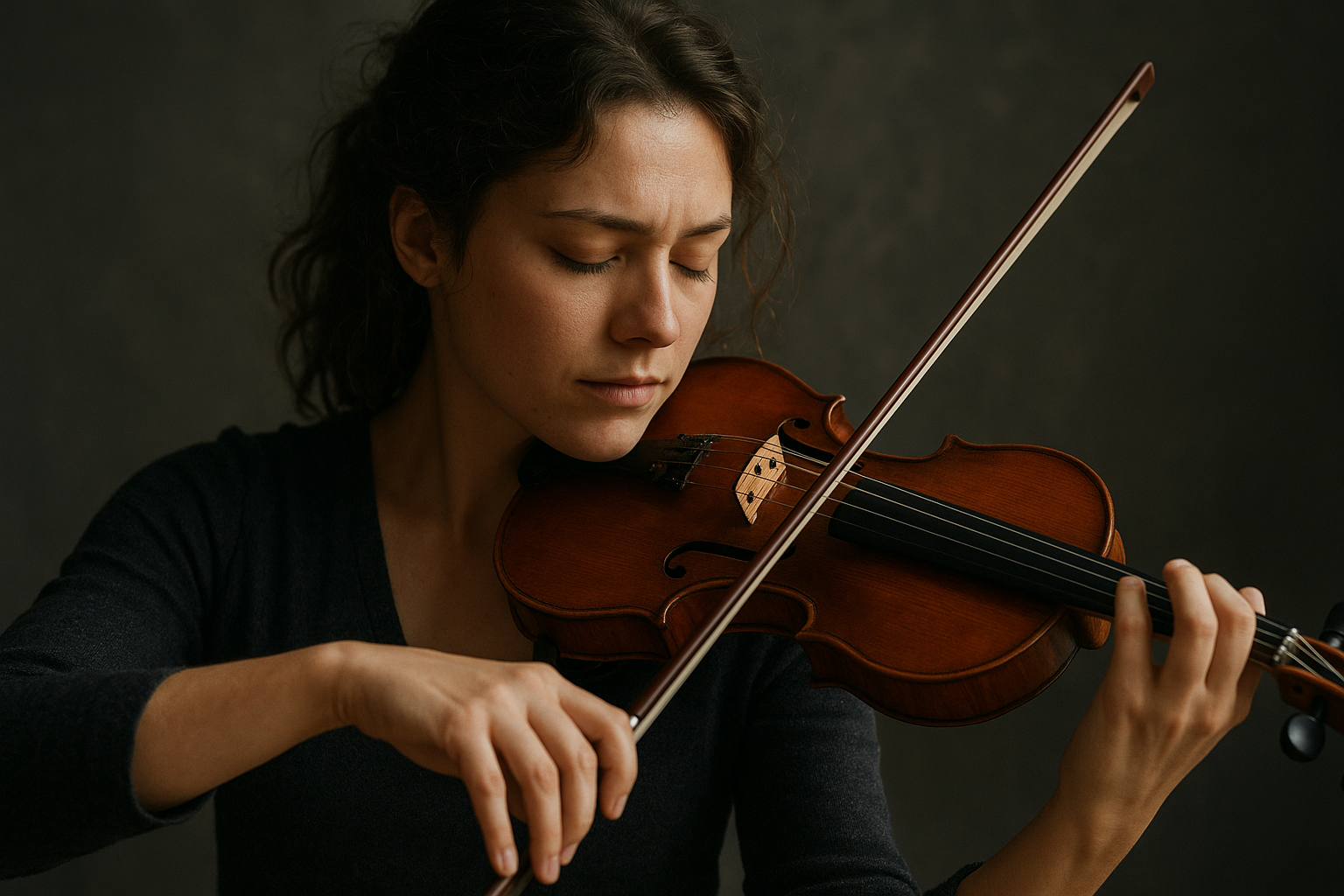
  • The Resonance of Risk: Embracing the Unknown in New Music

    The Resonance of Risk: Embracing the Unknown in New Music

    Music, an ancient and universally human art form, has perennially thrived on innovation. The act of composing or performing new music is an exploration into the uncharted territory, and with it comes an intrinsic element of risk. This risk manifests both for the artist, as they challenge traditional norms, and the audience, as they are invited to open their ears to unaccustomed sounds.

    The Unpredictability of New Music

    In new music, unpredictability is the currency of engagement. Unlike classical compositions with firm canonized rules, new music subverts expectations, offering an open-ended dialogue between the creator and the listener. John Cage, one of the most revolutionary composers of the 20th century, famously remarked:

    “I can’t understand why people are frightened of new ideas. I’m frightened of the old ones.”

    – John Cage

    This sentiment underscores the philosophy behind new music as an art form that thrives on uncertainty and exploration. By veering away from well-trodden paths, new music challenges the very conceptions of melody, harmony, and rhythm, inviting creators and listeners alike to question their expectations of what music can, and should, be.

    • Challenging Traditional Norms: Composers employ unconventional methods such as mixed media, electronic elements, and even non-musical sounds to rupture the ordinary flow of music.
    • Audience’s New Role: Listening becomes an active rather than passive experience where the audience participates in constructing the meaning, often resulting in a personal interpretive journey.

    Embracing Failure as a Creative Force

    Risk in new music does not solely reside in the breaking of conventions. It also involves the potential for failure—an aspect that is not only unavoidable but often celebrated as a catalyst for creativity. This notion of embracing failure is echoed by Samuel Beckett in his famous line:

    “Ever tried. Ever failed. No matter. Try again. Fail again. Fail better.”

    – Samuel Beckett

    Failure in the creative process can lead to serendipitous discoveries and innovations that a calculated approach might overlook. Many pioneering works of new music emerged from failed experiments and the willingness to engage with what does not work.

    Technological Advancements: Allies in Risk

    The technological advancements of the modern era have expanded the horizons of musical experimentation, transforming the risky business of creating new music into an ever more dynamic endeavor. With the integration of software and digital platforms, artists can now explore soundscapes previously unimaginable.

    • Innovative Soundscapes: Technologies such as digital synthesis and AI-generated compositions allow for the exploration of new sonic possibilities.
    • Global Collaboration: The internet has enabled collaborations across continents, fusing diverse influences and making new music a truly global phenomenon.
    • Interactive Performance Spaces: Virtual reality and interactive installations provide audiences with immersive experiences that redefine the traditional concert experience.

    The capacity for technology to foster openness can perhaps be best highlighted by the ethos of open-source platforms that allow for communal development and experimentation in music-making.

    The Philosophy of Listening

    The risk in new music extends beyond creation to its consumption. Embracing the unknown can be daunting for audiences accustomed to the familiarity of traditional music. Yet, it is precisely in this leap into the unfamiliar that new music constructs its profound resonance. As stated by philosopher Gilles Deleuze in his exploration of art and philosophy:

    “Art is not chaos, but a composition of chaos.”

    – Gilles Deleuze

    Engaging with new music requires a philosophical openness and a willingness to experience art as a living, breathing entity that embodies ongoing creation. It invites listeners to move beyond passive consumption and participate in the active construction of meaning.

    Conclusion: The Echo of Uncertainty

    New music urges both its creators and audiences to step into the unknown. The very nature of risk in new music echoes an existential understanding of life itself—a tapestry woven with strands of uncertainty and discovery. By embracing risk, both musicians and listeners become participants in an evolving dialogue of sound, silence, and meaning.

    In this shared journey, new music resonates not only as an artistic pursuit but as a poignant exploration of the human condition, challenging us to find beauty beyond the predictable and harmony amidst the chaos. As we immerse ourselves in these unpredictable soundscapes, we learn not only about music but about ourselves, our boundaries, and the infinite possibilities that lie beyond them.