Category: MythCoeur

  • The Looped Sermon: Repetition and Ritual in Electronic Music

    The Looped Sermon: Repetition and Ritual in Electronic Music

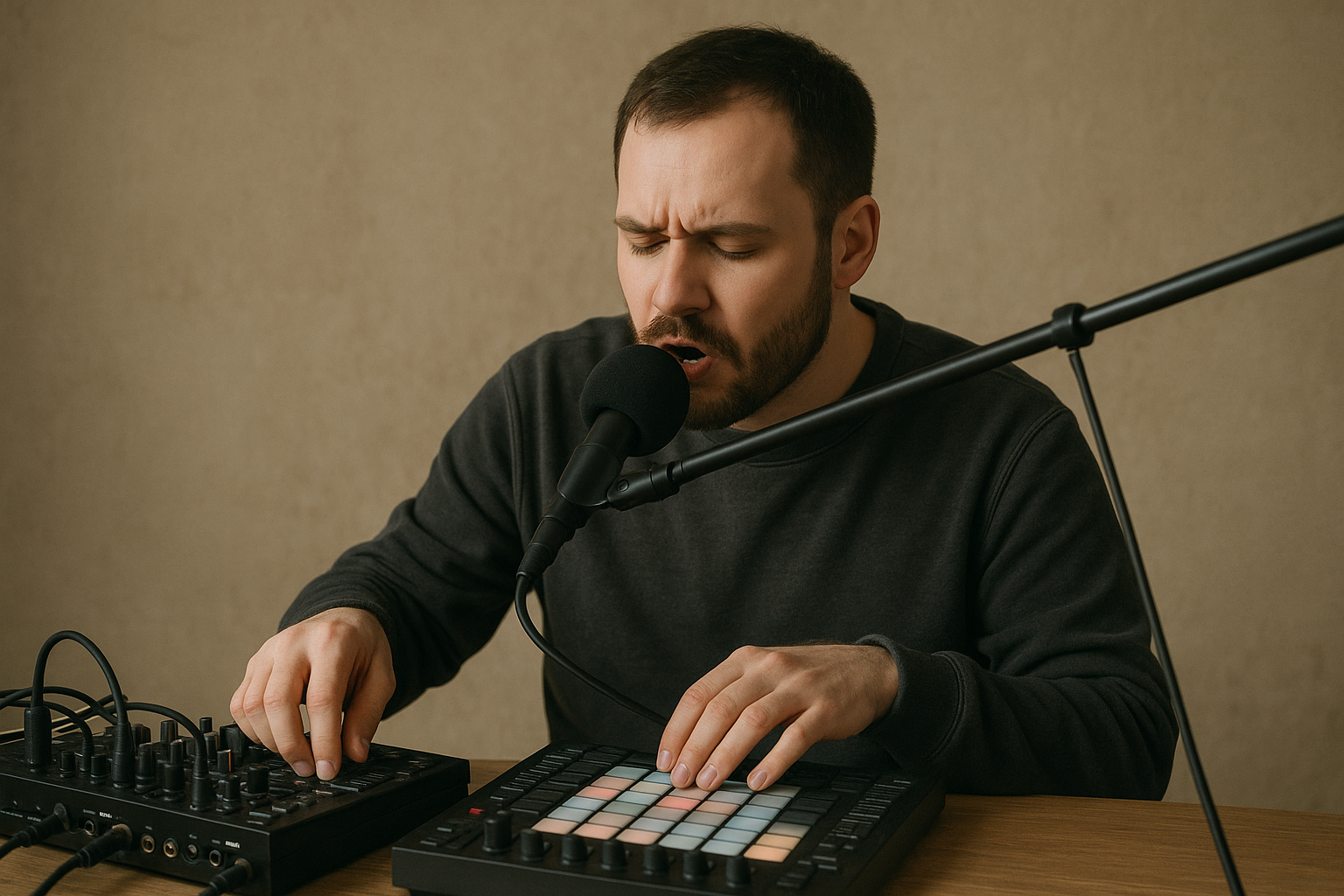
    In the bustling landscape of electronic music, repetition acts as both a creative anchor and a spiritual journey for listeners. The entrancing cycles of sound found in electronic music create spaces for reflection, catharsis, and communal experience. The effective use of repetition and ritual, much like a sermon, transforms a dance floor into a secular ceremony.

    The Power of Repetition

    Repetition in music is far from a new phenomenon. From the chants of ancient rituals to the refrains in classical compositions, repeating patterns evoke emotional and psychological responses. As Philip Tagg, a musicologist, explains:

    “Repetitive music equals participation music or anti-diva music. It encourages listeners to join in, whether by moving or vocalizing.”
    — Philip Tagg, Music Studies

    In electronic music, repetition is elevated to an art form, with loops and samples creating immersive soundscapes. These cyclical structures encourage listeners to lose themselves in the music, fostering a shared experience that is both intimate and expansive.

    Ritual as Structure

    Rituals, often characterized by their repetitive nature, create a sense of stability and predictability. According to Roy Rappaport, an anthropologist, “ritual is the performance of more or less invariant sequences of formal acts and utterances not entirely encoded by the performers.” These structures are evident in the setlists of DJs and producers who craft a carefully curated journey through sound.

    • Beatmatching: DJs blend tracks by synchronizing beats, creating a seamless transition and maintaining rhythmic continuity.
    • Track Cues: Predictable cues signal changes, fostering excitement and engagement.
    • Elevation: Gradual build-ups in tracks mimic the energetic rise in rituals, culminating in euphoric release.

    Such rituals within electronic music bring a congregation of listeners into an almost transcendental state.

    The Role of the DJ

    Regarded as both composer and curator, the DJ is akin to a ritual leader. Their role transcends mere performance—they facilitate a shared experience that connects individuals. Grandmaster Flash, a pioneer in turntablism, once stated:

    “There’s something about being a DJ that is beyond crossing one way or two ways, it’s beyond all of that because it becomes a state of bringing people together.”
    — Grandmaster Flash, Billboard

    By leveraging repetition, a DJ ensures every set is unique yet familiar, with each show providing a new interpretation of beloved tracks.

    Repetition’s Psychological Impact

    Electronic music is not only a unifying force but also a psychological one. The repetitive nature of tracks can create a meditative state, often leading to altered perceptions. According to a study published in the Journal of Psychology & the Behavioral Sciences, repetitive music affects the brain’s reward circuits, stimulating sensations of pleasure and immersion.

    The study states:

    “The predictable structure inherent in repetitive music can activate pleasure responses in the brain, similar to those experienced during other rewarding activities.”
    — Journal of Psychology & the Behavioral Sciences

    This phenomenon underscores the hypnotic allure of electronic music, drawing listeners into a deep, often introspective engagement with the sound.

    Community and Connection

    The dance floor acts as an altar where individuals gather to share in the collective joy of music. This community is solidified through the shared experience of sound and movement. It is a testament to the power of electronic music to unite diverse audiences under the pulsating beat.

    By creating environments where repetition and ritual are paramount, electronic music offers participants an egalitarian place to express themselves, freed from the confines of the ordinary world. It opens up a space where everyone, regardless of background, can experience the sublimity of sound.

    Conclusion

    Electronic music’s reliance on repetition and ritual transforms the listening experience from passive to participatory. Just as ancient ceremonies used repetition to connect individuals with the divine, modern-day electronic music mobilizes these tools to create a shared, almost spiritual experience. Through the meticulous work of DJs and producers, the repeatable elements of electronic music become vessels of connection, community, and catharsis, echoing the timeless human desire for unity.
  • Rethinking Representation: New Ways of Seeing in Visual Arts

    Rethinking Representation: New Ways of Seeing in Visual Arts

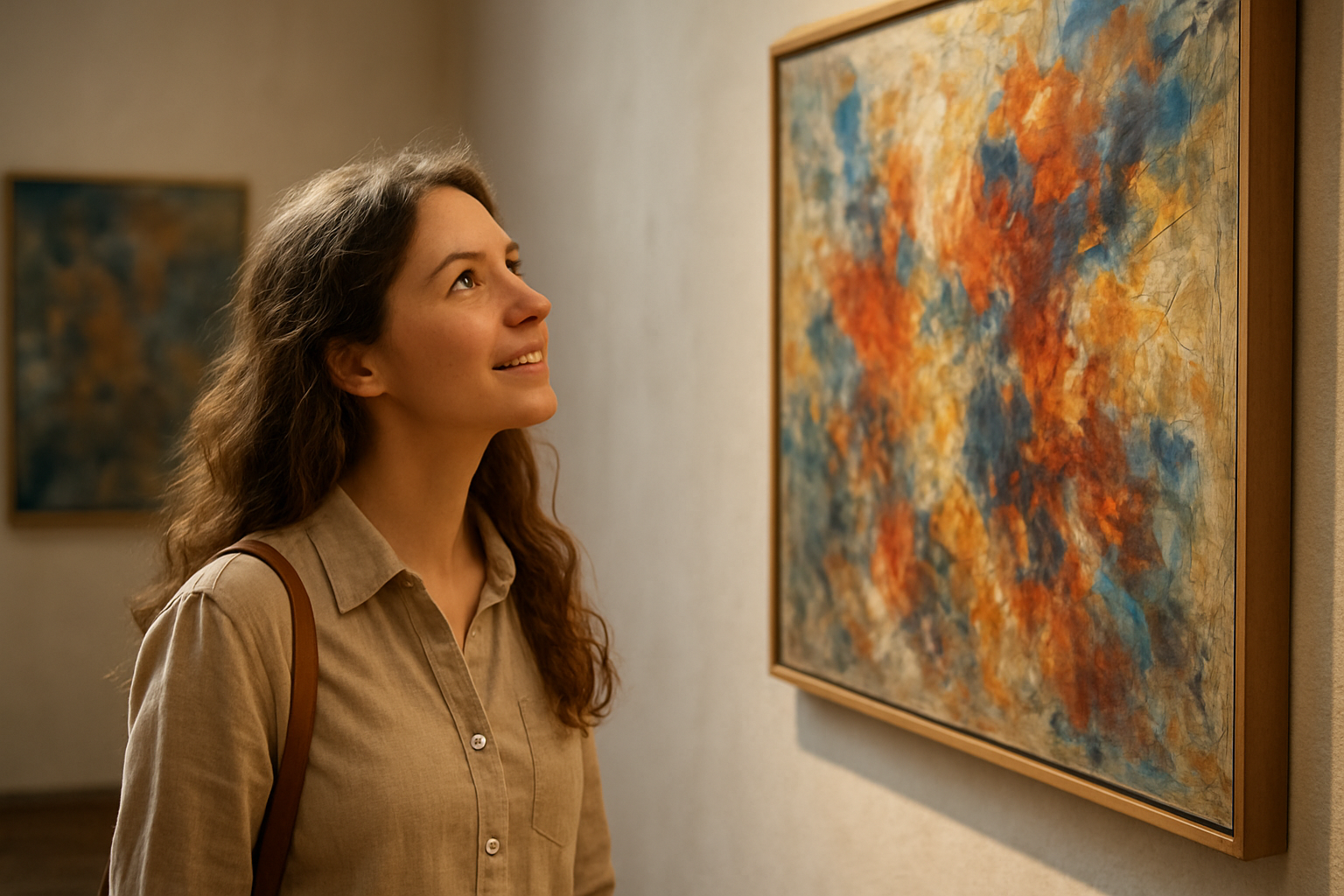
    The realm of visual arts has always been a dynamic landscape where representation and abstraction dance fluidly. As we delve into the 21st century, the way artists represent reality and convey meaning is undergoing transformative changes. This article explores how contemporary artists are rethinking representation to bring fresh perspectives to visual arts.

    Historical Context of Representation in Visual Arts

    Before exploring current trends, it’s essential to understand the historical context of representation in art. From the Renaissance to the Impressionists, the evolution of art has often been about how reality is interpreted:

    • The Renaissance Era: This period marked a return to classical ideals of beauty and realism. Artists like Leonardo da Vinci and Michelangelo epitomized the pursuit of human anatomy and proportion.
    • The Impressionists: Artists such as Claude Monet and Edgar Degas sought to depict everyday life and light with vibrant brushstrokes and new techniques.

    By the 20th century, movements like Cubism with Pablo Picasso, and Surrealism with Salvador Dalí, challenged the conventional means of representation, pushing towards abstraction and the exploration of the unconscious mind.

    The Contemporary Shift in Representation

    In contemporary times, representation in visual arts is not merely about mimicking reality but rather questioning and reinterpreting it:

    “Today, the exploration of representation in art is as much about questioning the image as it is about depicting it in new and innovative ways.” – Tate

    Technology as a Catalyst

    • Digital Art: Technology has become a vital tool for artists, providing new platforms and tools for innovation. Digital art allows for the manipulation of images in ways that were impossible before.
    • Augmented and Virtual Reality: Artists like Olafur Eliasson and Laurie Anderson are using augmented reality (AR) and virtual reality (VR) to create immersive experiences that challenge traditional notions of space and perception.

    The Role of Identity and Culture

    Many contemporary artists are using their work to explore themes of identity, culture, and social justice. Artists like Kara Walker and Kehinde Wiley use their art to address historical representations and question stereotypes:

    • Kara Walker: Known for her silhouettes, Walker challenges historical narratives around race, gender, and power.
    • Kehinde Wiley: Wiley reimagines classical portraiture by depicting people of color in the grandiose style of European Old Masters.

    Redefining Perspectives with Mixed Media

    Artists are increasingly using mixed media to expand the possibilities of representation. This approach allows for a blend of materials and techniques, often resulting in unexpected and provocative outcomes.

    • Collage: Artists like Wangechi Mutu use collage to juxtapose different elements, creating artworks that challenge the norms of beauty and provoke thought about identity and environment.
    • Installation Art: Installation pieces by artists such as Ai Weiwei confront viewers with immersive experiences that communicate powerful messages around politics and human rights.

    The Democratization of Art Interpretation

    With the rise of social media and online platforms, art is increasingly accessible to a broader audience. This democratization has led to diverse interpretations and dialogues about representation. Platforms like Instagram and TikTok allow artists to showcase their work globally, inviting immediate engagement and discourse.

    “Digital platforms have made art more accessible than ever, allowing artists to bypass traditional gatekeepers and reach audiences directly.” – Artsy

    Conclusion: Toward a New Vision

    As we move further into an era where technology and globalization shape our world, artists continue to redefine representation in visual arts. The ability to see beyond the canvas and screen reveals the infinite potential of this transformation.

    The reimagined representation in visual arts isn’t just a trend—it’s a revolution. It challenges us to perceive the world and our place in it with a critical yet hopeful eye. As Albert Einstein said, “Imagination is more important than knowledge. For knowledge is limited, whereas imagination embraces the entire world, stimulating progress, giving birth to evolution.” By embracing new ways of seeing, contemporary visual arts lead us to fresh understandings of reality itself.

  • The Inner Landscape: Spirituality in the Age of Self-Help

    The Inner Landscape: Spirituality in the Age of Self-Help

    In today’s fast-paced world, where information is available at the click of a button, individuals are increasingly turning inward to explore their own spiritual landscapes. The age of self-help has ushered in an era where personal empowerment and spiritual growth are intertwined, creating a rich tapestry of inner discovery.

    The Rise of Self-Help

    The self-help industry has grown exponentially, offering a multitude of tools and techniques designed to improve life satisfaction and personal development. According to the Forbes, the global self-help market was valued at $10.5 billion in 2020 and continues to expand. From podcasts to workshops, the resources available today cater to a wide array of personal growth needs.

    Integrating Spirituality

    Spirituality, often regarded as a core element of human experience, is finding its place within the self-help movement. While traditional religions offer structured paths, contemporary spiritual seekers often prefer a more personalized journey. This shift is captured well by the spiritual teacher, Pema Chödrön, who stated, “We are all capable of becoming fundamentalists because we get addicted to other people’s wrongness” (Pema Chödrön Foundation).

    “True spirituality is a mental attitude you can practice at any time.” — Dalai Lama

    Building a Personal Practice

    In the quest for personal enlightenment, modern seekers often create their own practices by blending elements from different traditions. Here are some common elements many incorporate:

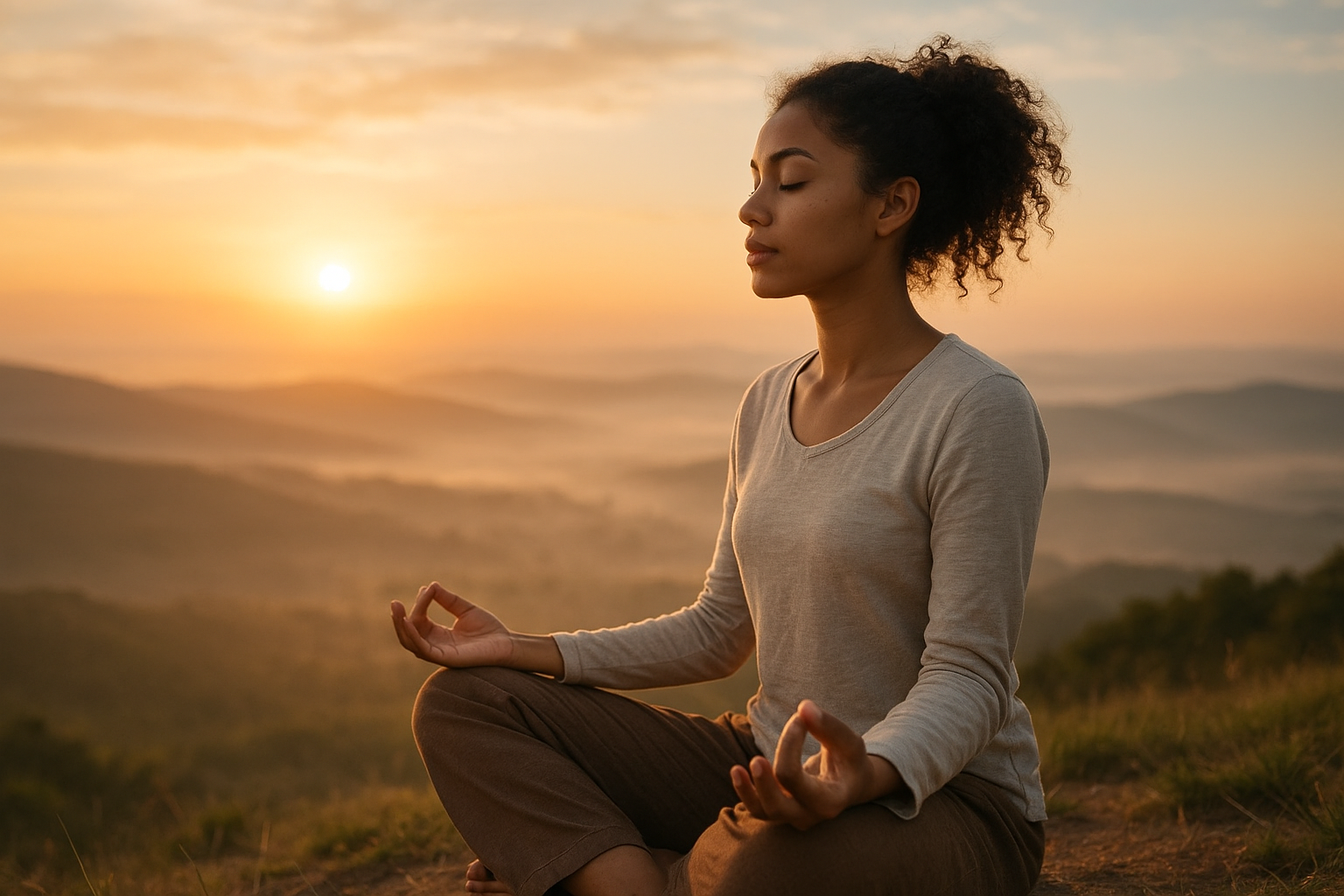
    • Meditation: A cornerstone in both ancient and modern spiritual practices, meditation helps individuals find peace and clarity.
    • Mindfulness: Incorporates being present in the moment, often linked with better emotional and mental well-being.
    • Gratitude Journaling: By reflecting on the positives, individuals cultivate a sense of appreciation and joy.
    • Affirmations: Positive statements used to challenge and overcome self-sabotaging and negative thoughts.

    The Path Ahead

    As the lines between self-help and spirituality blur, there is no one-size-fits-all approach. Each individual’s journey is uniquely personal. The contemporary focus on personal empowerment and introspection signals a collective shift towards recognizing the significance of the inner landscape. As Ralph Waldo Emerson once remarked, “What lies behind us and what lies before us are tiny matters compared to what lies within us.”

    As we deepen our exploration of the spiritual path, we uncover not only who we are but who we are meant to be.

  • Shattering the Mirror: The Deconstruction of Dance Tradition

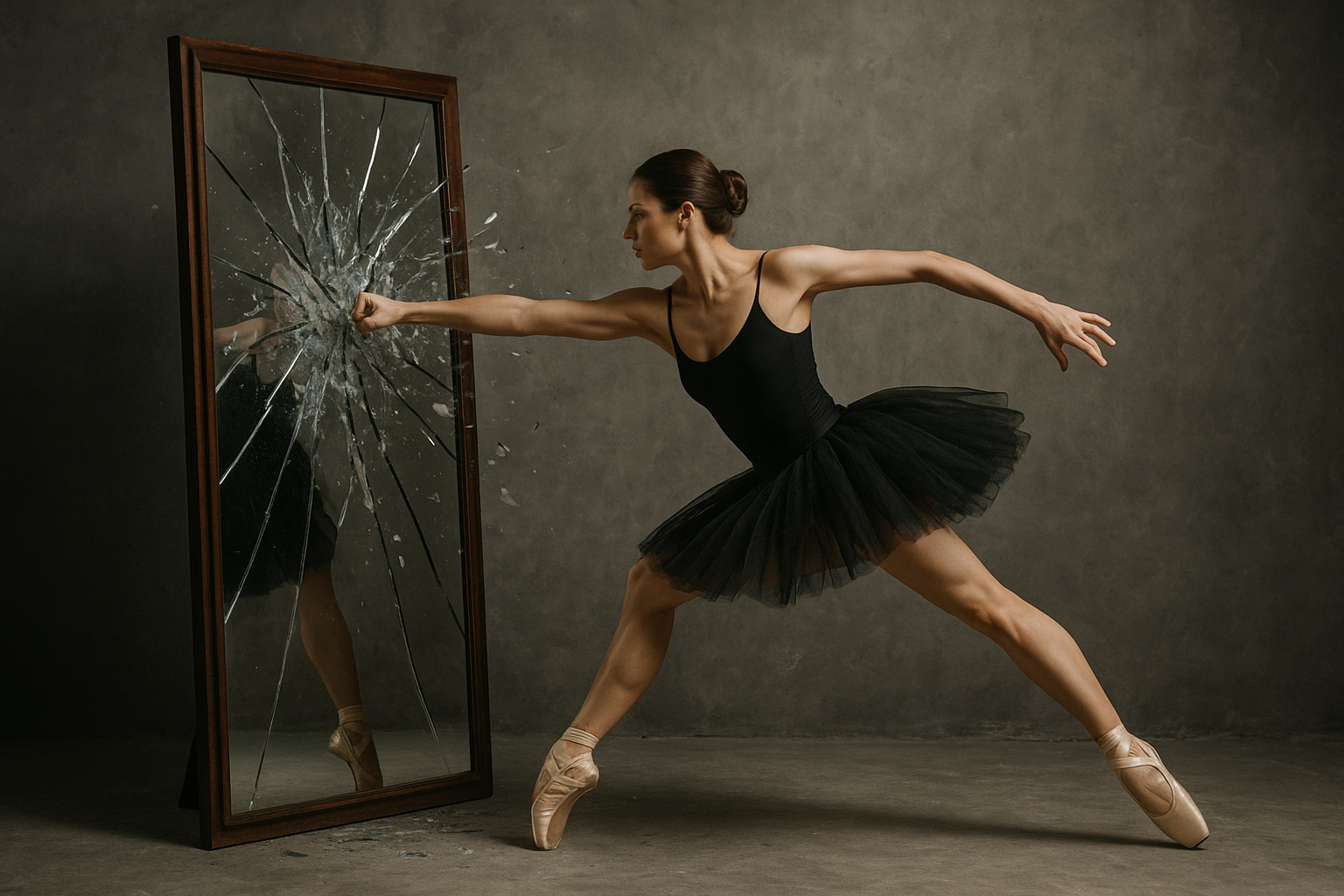
    Shattering the Mirror: The Deconstruction of Dance Tradition

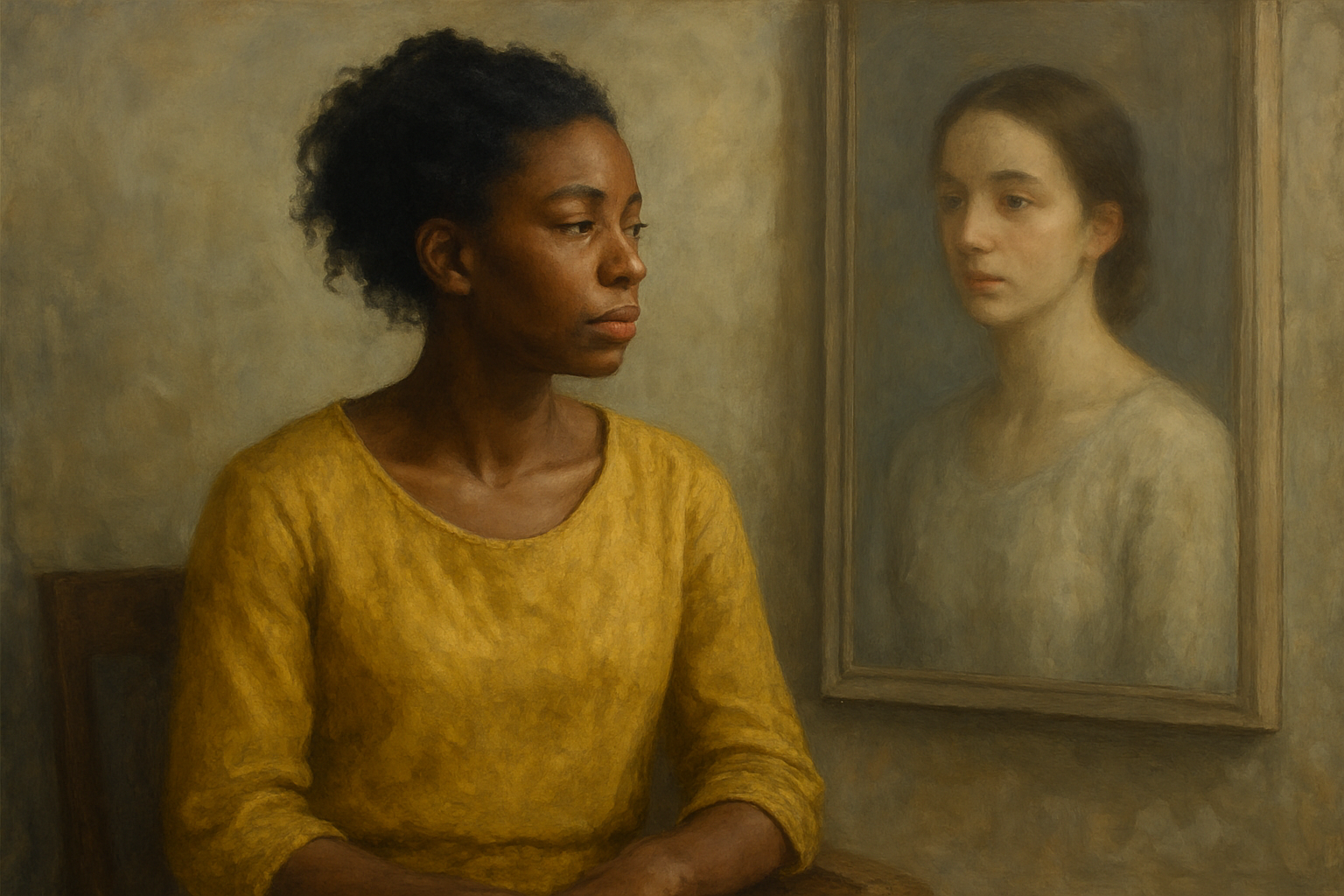
    Dance, a universal language, has been a reflection of cultural identity, tradition, and evolution. It is both an art and a form of communication, able to convey deep emotions and stories without words. Yet, in recent years, the traditional mirror of dance reflects not an unyielding gaze into the past, but a kaleidoscope of deconstruction, innovation, and new narratives. This article delves into how dance traditions are being re-examined, deconstructed, and reimagined in contemporary contexts.

    The Historical Foundation of Dance

    Throughout history, dance has served as a vehicle for storytelling and cultural preservation. Consider classical ballet, which epitomizes the codification of movement and narrative. Originating in the courts of the Italian Renaissance before spreading to France and Russia, ballet became a highly structured art form, as referenced by Britannica, which states, “The dance form reached its peak as a complex danced drama during the 19th-century Romantic ballet.”

    Similarly, traditional dances such as India’s Bharatanatyam or Spain’s Flamenco are steeped in cultural rituals, often being passed down through generations. Each style not only embodies artistic expression but also serves as a living history of its people.

    Challenging the Status Quo

    While honoring tradition is vital, the modern era has ushered in waves of change that urge us to rethink established norms, including those in dance.

    The Influence of Postmodern Dance

    In the 1960s, the postmodern dance movement emerged, challenging existing perceptions by questioning the very essence of dance. Pioneering artists like Yvonne Rainer and Trisha Brown embraced the phrase ‘no to spectacle’ and questioned narrative and form. Their work eschewed the traditional elements of structured choreography, costumes, and mood-setting music.

    Rainer, in her “No Manifesto”, famously declared, “No to spectacle, no to virtuosity, no to transformations and magic and make-believe, no to the glamour and transcendency of the star image.”

    The Rise of Contemporary Dance

    Contemporary dance, distinct from its classical predecessors, merges elements from various styles, fostering an open-ended platform for expression. Its very nature is one of fusion and reinvention. As such, it serves as a powerful mechanism for deconstructing traditional dance and reconstructing it with new relevance.

    According to the Dance Consortium, a collective that aims to increase public interest in dance, contemporary dance is “characterized by its expressive nature, its use of unconventional techniques, and its acceptance of a wide array of influences.”

    Cultural Intersections

    Dance is increasingly seen as a reflection of globalization, where cross-cultural exchanges enrich traditional practices. This intersection has given rise to innovative collaborations and hybrid dance forms.

    • Interactive Fusion: Dancers frequently integrate elements from diverse traditions, creating unique expressions. For instance, the ‘Bollywest’ genre blends Bollywood and Western modern dance, appealing to broad audiences.
    • Cultural Dialogues: Modern-day choreographers often engage with issues of identity and belonging, expressing themes of diaspora, migration, and cultural hybridity. Choreographer Akram Khan, whose works intertwine Kathak and contemporary dance, exemplifies this blend.

    In an interview with The Guardian, Khan discusses how, “Dance has become a dialogue between cultures, an interaction where traditional boundaries dissolve into shared humanity.”

    Social and Political Narratives

    Dance is more than an art form; it’s a powerful tool for social commentaries and political movements.

    • Protest and Activism: Dance has been prominently featured in movements such as Black Lives Matter, where dancers use their bodies to protest against racial injustices.
    • Gender and Representation: Many choreographers focus on breaking gender stereotypes, questioning norms, and opening up spaces for underrepresented voices in the dance community.

    Dance in this century, thus, is not insular but deeply interconnected with societal currents, boldly addressing the issues of the day through innovative performance.

    The Digital Revolution

    The rise of digital platforms and technology has further expanded the canvas of dance. Virtual reality and digital mapping allow for unforeseen possibilities, as performances are released from traditional spaces and extended into digital realms.

    Live-streamed performances and online dance challenges on platforms like TikTok democratize and decentralize the art form, engaging global audiences and influencing new styles and trends.

    Conclusion: Realigning the Mirror

    As dance continues to evolve, breaking free from its own constraints, it calls into question what it means to preserve tradition while embracing change. The creative deconstruction of dance tradition is not the erasing of history but its reimagining, offering audiences new perspectives. As this dynamic art form continues to develop, it invites both artists and audiences alike to reflect on, challenge, and contribute to its bold narrative.

    Indeed, as choreographer Martha Graham aptly summarized, “Dance is the hidden language of the soul.” As we deconstruct its traditions, may we uncover even deeper meanings beneath its mesmerizing surface.

    This shattering of the mirror is not a critique but an evolution—an opportunity to see beyond reflections and discover the vast possibilities of human expression that lie beyond.

  • The Photographic Confession: Intimacy and Vulnerability in Art

    The Photographic Confession: Intimacy and Vulnerability in Art

    In the age of digital saturation, where every moment is captured, filtered, and shared, the art of photography continues to serve as a powerful medium for exploring themes of intimacy and vulnerability. The photograph, in its raw and unedited form, often reveals more than what meets the eye. It tells stories of human emotion, connection, and authenticity.

    “Photography can strip away the masks we wear, delve beneath the surface and capture the essence of who we are at a particular moment in time.”

    Maria Popova

    The Power of Intimacy

    Intimate photography, by its nature, invites viewers into a personal space, often exposing the photographer’s own vulnerabilities or those of the subject. This genre creates a bridge between the artist and the observer, fostering an empathetic connection that words alone cannot convey.

    • Personal Narratives: Photographers like Nan Goldin and Sally Mann have captured the rawness of everyday life, embracing imperfections to portray truthful and moving stories.
    • Emotional Depths: The stark candidness in their works often forces viewers to confront their own feelings, bridging the gap between personal introspection and public gaze.

    Vulnerability as Strength

    In a society often averse to weakness, photography challenges this notion by presenting vulnerability as a source of strength and beauty. The act of revealing one’s true self, with all its imperfections, can be empowering for both the photographer and the subject.

    • Authentic Connections: Projects like Humans of New York highlight the universality of human experiences through candid, heartfelt stories.
    • Breaking Taboos: Photographers who tackle challenging subjects such as mental health, identity, or loss break down societal taboos, encouraging open dialogues and greater understanding.

    As viewers, we are left to ponder the images before us—sometimes uncomfortable, often profound. The vulnerability captured in these moments becomes a catalyst for reflection and change.

    “The camera is an instrument that teaches people how to see without a camera.”

    — Dorothea Lange

    In conclusion, the photographic confession holds significant artistic and cultural value, encouraging us to embrace intimacy and vulnerability. These images serve not just as memories but as catalysts for deeper connections in an increasingly disconnected world, reminding us of our shared humanity.

  • Finding the Center: Movement Practices for Modern Souls

    Finding the Center: Movement Practices for Modern Souls

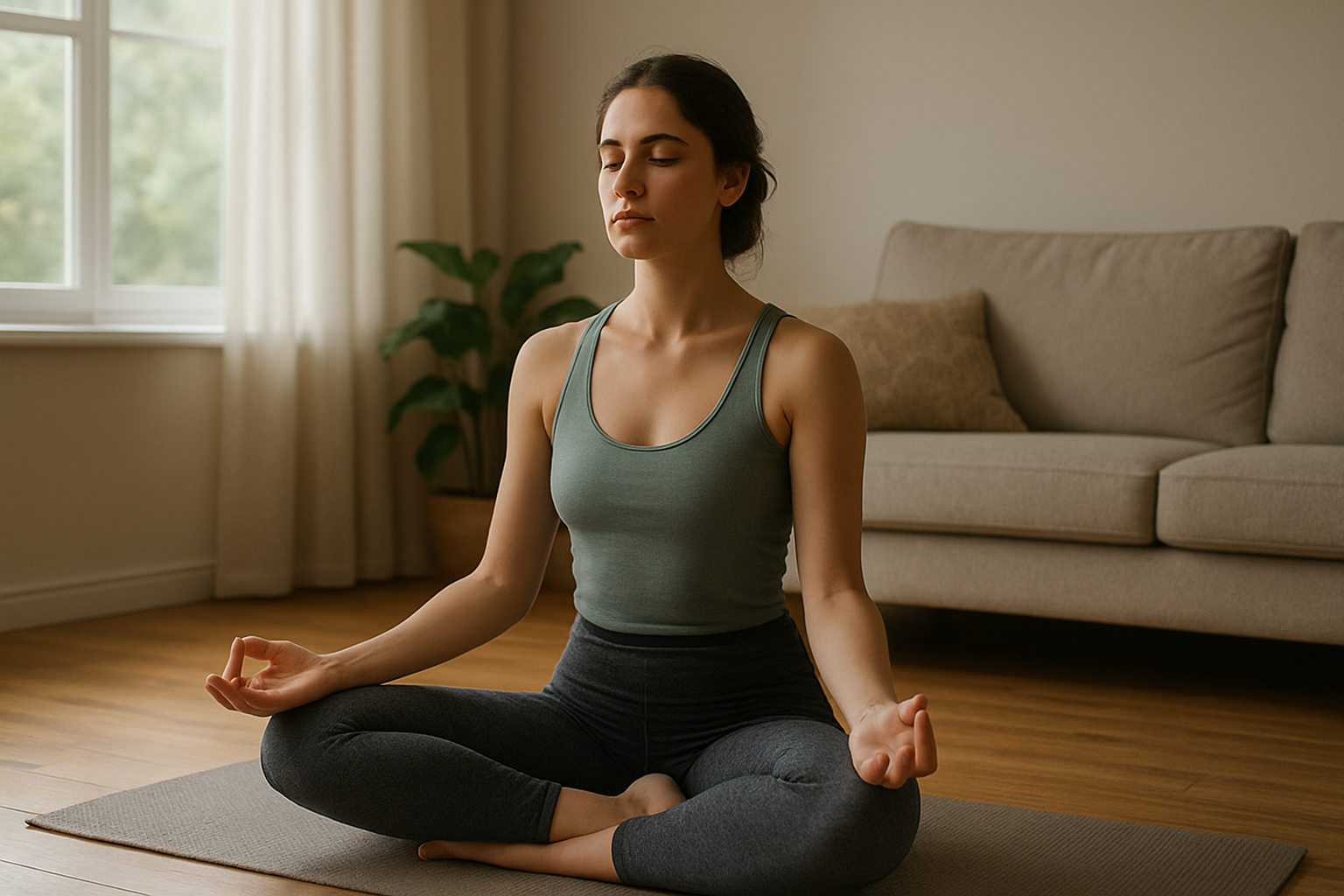
    In our fast-paced world, finding balance and harmony can often seem like a distant goal. The constant barrage of information, responsibilities, and expectations can leave us feeling unanchored. Fortunately, movement practices provide a way to reconnect with our inner core and rediscover our center. This article explores various movement practices that can help modern souls find grounding and tranquility.

    The Importance of Movement

    Movement is not just about exercise; it’s about tuning into our bodies and minds. According to the American Psychological Association, physical movement helps improve mental health by reducing anxiety, depression, and negative mood while improving self-esteem and cognitive function. Read more here.

    “Movement is a medicine for creating change in a person’s physical, emotional, and mental states.” – Carol Welch

    • Physical Benefits: Movement improves cardiovascular health, strengthens muscles, and enhances flexibility.
    • Mental Benefits: Regular movement releases endorphins, which can reduce stress and create a sense of well-being.
    • Emotional Benefits: Engaging in movement allows for emotional expression and release, leading to improved mood.

    Exploring Movement Practices

    Let’s delve into a few movement practices that are gaining popularity for their holistic benefits. These practices not only improve physical health but also enhance mental clarity and emotional stability.

    Yoga: Union of Mind and Body

    Yoga has been practiced for thousands of years and is renowned for its ability to unite mind and body. The Yoga Journal describes yoga as a comprehensive discipline that combines breathing techniques, postures, and meditation.

    • Hatha Yoga: Focuses on physical postures for alignment and balance.
    • Vinyasa Yoga: Involves dynamic breathing and flowing movements to create internal heat.
    • Yin Yoga: Targets connective tissues and promotes flexibility through long-held poses.

    Yoga is praised for its calming effect on the nervous system and its ability to cultivate mindfulness, aiding modern souls in achieving inner peace.

    Tai Chi: The Flowing Balance

    Tai Chi is often referred to as “meditation in motion.” This ancient Chinese practice involves gentle, flowing movements and deep breathing techniques. According to the Mayo Clinic, Tai Chi is effective in reducing stress, improving balance, and enhancing overall well-being.

    “The supreme accomplishment is to blur the line between work and play.” – Arnold J. Toynbee

    Tai Chi encourages the coordination of mind and body, allowing practitioners to remain centered, even amidst life’s chaos.

    Dance: Expressive Liberation

    Dance is more than a form of art; it is a liberating practice that allows individuals to express their emotions and energies creatively. Whether it’s ballet, contemporary, salsa, or hip-hop, dance offers a channel for emotional release and self-discovery.

    • Improvised Movement: Encourages creativity and self-expression.
    • Structured Dance: Provides discipline and focus through choreographed routines.

    Studies indicate that dance can significantly improve mental health by reducing stress and fostering a sense of community. Dance classes provide an opportunity to connect with others, reducing feelings of isolation prevalent in modern life.

    Integrating Movement into Daily Life

    Incorporating movement into daily life doesn’t need to be complicated. Here are practical tips to seamlessly integrate these practices into your routine:

    • Start Small: Begin with short sessions, like 10 minutes of yoga or a quick Tai Chi routine.
    • Set a Schedule: Dedicate specific times for movement to create consistency.
    • Focus on Mindfulness: Pay attention to how your body feels during movement, deepening the mind-body connection.
    • Find Community: Join a local class or online group for support and motivation.

    By gradually incorporating these practices into your lifestyle, you’ll find improved balance not only physically but mentally and emotionally.

    Conclusion: Nurturing the Modern Soul

    Movement practices offer a profound way to nurture the modern soul, offering a path back to our center amidst the chaos of daily life. As we engage in yoga, Tai Chi, dance, and other activities, we not only improve our health but also foster resilience, inner peace, and self-awareness.

    Finding your center through movement isn’t about perfection; it’s about being present in the moment and listening to what your body and soul need. As Rumi eloquently puts it, “The wound is the place where the Light enters you.” By moving mindfully, we allow ourselves to heal and transform, finding balance in a world that often feels off-kilter.

    Start your journey today. Explore these practices and let them guide you to a more centered and fulfilled life.

  • The Pulse of the Present: Capturing the Now in Contemporary Music

    The Pulse of the Present: Capturing the Now in Contemporary Music

    Contemporary music is more than just a reflection of the present; it’s an active participant in shaping cultural and societal trends. In the rapidly shifting landscape of today’s world, musicians are capturing the essence of “now” with unprecedented immediacy and authenticity. From the power of streaming platforms to the influence of social movements, contemporary music is as dynamic and multifaceted as the era it represents.

    The Influence of Technology

    One of the most significant changes in contemporary music comes from technological advancements. Streaming services like Spotify and Apple Music have transformed the way music is distributed and consumed. As a result, artists are more connected to their audiences than ever before.

    “Technology has allowed artists to release their music as soon as they’re ready, enabling them to respond to current events almost in real-time,” says Lucy Jones from The Independent. [source]

    This immediacy means artists can quickly address and integrate current issues into their music, making their work particularly resonant and relevant.

    Reflecting Social Movements

    Contemporary music serves as a mirror reflecting social and political movements. Artists like Beyoncé and Kendrick Lamar have used their platforms to highlight issues such as racial inequality and feminism. Lamar’s album “DAMN.” and Beyoncé’sLemonade” were culturally and politically significant, resonating with audiences worldwide.

    • Beyoncé: Known for her powerful visual albums that tackle issues like race and gender.
    • Kendrick Lamar: Celebrated for his lyrical depth and social commentary.

    Global Connectivity

    The global nature of contemporary music is another pulse point capturing the now. Collaborations between artists from different countries are becoming commonplace, fostering a rich exchange of cultural influences. Platforms like SoundCloud provide artists with a global audience, amplifying diverse voices and breaking down geographic barriers.

    “In today’s world, music knows no borders,” notes John Doe from Rolling Stone. [source]

    In conclusion, contemporary music is a dynamic tapestry woven from threads of technology, social awareness, and global interaction. It doesn’t just capture the now; it becomes an integral part of it, influencing and being influenced by the very moment it seeks to represent. As we navigate the complexities of the 21st century, contemporary music remains an essential medium through which the pulse of the present is not just heard but felt.

  • The Canvas of Culture: Visual Art as Social Commentary

    The Canvas of Culture: Visual Art as Social Commentary

    Throughout history, visual art has served not only as a medium of aesthetic expression but also as a powerful tool for social commentary. Artists have used their craft to challenge societal norms, criticize political systems, and bring attention to social injustices. In doing so, art becomes a mirror reflecting the complexities of the cultural and political landscapes from which it emerges.

    The Historical Perspective

    From the politically charged works of Francisco Goya to the poignant murals of Diego Rivera, history provides a wealth of examples where art has influenced public consciousness. Goya’s The Third of May 1808, for instance, vividly captures the horrors of war and the brutal suppressions by Napoleon’s armies in Spain. Meanwhile, Rivera’s murals depict the struggles and victories of the working class, bringing light to issues of labor and inequality.

    “Artists play a vital role in exposing the gritty facets of the human experience. By doing so, they offer audiences a chance to engage with these themes critically, fostering a space where dialogue and change are possible.”
    Artsy Editorial

    Contemporary Reflections

    In the modern context, artists continue to utilize their work as a medium for commentary and change. The guerrilla art of Banksy, renowned for its satirical edge, underscores this dynamic. His work challenges notions of capitalism, authority, and consumerism, often provoking conversation on a global scale.

    Another profound example can be seen in the works of Ai Weiwei, whose installations and sculptures address themes of human rights and freedom of expression. Weiwei’s Remembering memorializes the thousands of children who died in the 2008 Sichuan earthquake, bringing attention to the corrupt construction practices that led to the tragedy.

    Art as a Catalyst for Change

    Visual art has the unique ability to transcend language barriers and evoke emotion, making it an effective means of inspiring action. The provocative nature of art compels viewers to confront uncomfortable truths and initiate dialogue. As society continues to evolve, the role of art as a commentator and catalyst for change remains indispensable.

    Ultimately, as described by Tate, social commentary art challenges audiences to reconsider their understanding of the world, encouraging reflection and progress. As we navigate the complexities of the modern age, the canvas of culture will undoubtedly continue to serve as a vibrant declaration of the human condition.

    Whether through a brushstroke or a graffiti tag, visual art will persist as a resonant force in the ongoing dialogue about society’s greatest challenges and triumphs.

  • From Monks to Memes: The Changing Face of Contemplative Practice

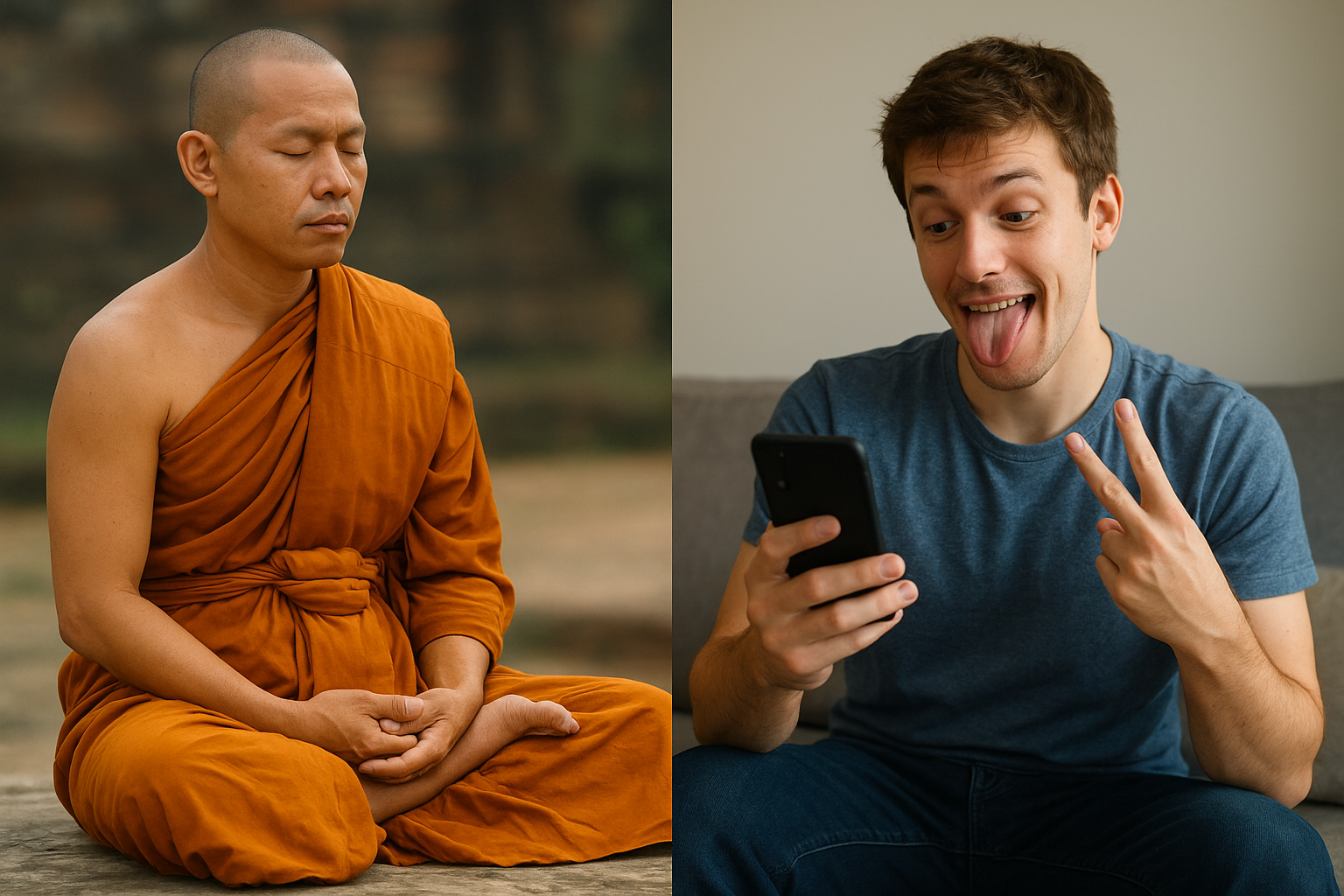
    From Monks to Memes: The Changing Face of Contemplative Practice

    Contemplative practice has long been associated with monastic life, where individuals dedicate their existence to spiritual and mindful pursuits. However, in today’s fast-paced, interconnected world, the face of contemplation is evolving, manifesting itself in unexpected places, even in the world of social media and internet culture.

    The Roots of Contemplation

    Traditionally, contemplative practices have been rooted in religious and spiritual traditions. Monastic communities, such as the Tibetan Buddhists or Catholic monks, have emphasized meditation, prayer, and reflection as pathways to spiritual enlightenment and mental peace. As noted by Trappist monk Thomas Merton, “Contemplation is the highest expression of man’s intellectual and spiritual life. It is that life itself, fully awake, fully active, fully aware that it is alive.”

    Contemplation in the Digital Age

    With the advent of technology and the internet, contemplative practices have transcended the monastery walls. People are finding new ways to integrate meditation and mindfulness into their daily lives, leveraging apps like Headspace and Calm, which have made these practices more accessible to the general public. A 2021 study published in JAMA Internal Medicine found that individuals who engaged in app-based mindfulness had reduced stress and increased emotional well-being.

    From Monasteries to Memes

    The integration of contemplative practice into modern culture can even be seen in the realm of memes and social media. While it may seem counterintuitive, these platforms are providing unique opportunities for individuals to explore mindfulness. Memes, often viewed as humorous and light-hearted, can also convey deeper messages, encouraging reflection and introspection.

    “Memes can serve as a form of social commentary, prompting users to think critically about their own behaviors and the world around them,” says Judith Wright, a psychological expert in mindfulness studies (Psychology Today).

    The Future of Contemplation

    The transformation of contemplative practice from monastic traditions to digital cultures demonstrates its adaptability and enduring relevance. The future of contemplation is likely to be a blend of ancient techniques and modern innovation, catering to an audience that is both technologically savvy and spiritually curious.

    As we continue to navigate the complexities of modern life, contemplating our place within it—whether through traditional meditation or scrolling through insightful internet memes—remains a vital part of the human experience.

    For those willing to look beyond the screen, the path to mindfulness and reflection is readily available, reminding us all of the timeless value of contemplation in any form.

  • The Unchoreographed Moment: Serendipity in Art and Life

    The Unchoreographed Moment: Serendipity in Art and Life

    In an era where precision and planning dominate, the beauty of serendipity—those happy accidents that occur unexpectedly—offers a refreshing counterbalance. From art to everyday life, these unchoreographed moments bring about unique experiences that were neither planned nor anticipated.

    Serendipity in Art

    Art, by its nature, is a realm where serendipity can flourish. Many artists embrace the unexpected, allowing chance to guide their creative process. Renowned abstract expressionist Jackson Pollock famously utilized a method of dripping and splattering paint, a technique that left much room for randomness. In his process, Pollock stated, “I can control the flow of paint: there is no accident,” yet, it’s the accidents that often lead to the most striking compositions.

    Similarly, photographic artist Henri Cartier-Bresson coined the term “the decisive moment”—that uncanny alignment of circumstances yielding a perfect photograph. As Cartier-Bresson himself put it, “To take a photograph is to align the head, the eye, and the heart. It’s a way of life.” Here, serendipity becomes a silent partner in the creation of art.

    Serendipity in Life

    Beyond the canvas and camera, serendipitous moments are woven into the fabric of everyday life. Encountering an old friend in an unexpected place, discovering a new passion while exploring a hobby, or even stumbling upon a unique book at a second-hand store contribute to life’s rich tapestry.

    These moments often lead to unforeseen developments; they challenge us to remain open to possibilities and foster adaptability and creativity. As author Robert K. Merton, who coined the term “serendipity,” observed, “Serendipity, the occurrence and development of events by chance in a happy or beneficial way, is one of the great gifts of everyday life.”

    Embracing the Unplanned

    “Life is what happens when you’re busy making other plans.” — John Lennon

    As Lennon’s timeless words remind us, life’s most profound experiences often arise when we least expect them. In both art and life, embracing the unplanned and the spontaneous can lead to a deeper connection with the world around us.

    In a world obsessed with foresight and control, allowing ourselves to dance with the unexpected can lead to transformative experiences. Whether through a splash of paint on a canvas or a chance encounter on the street, serendipity has the power to turn the ordinary into the extraordinary.