Category: MythCoeur

  • The Visual Vocabulary: Expanding the Language of Photography

    The Visual Vocabulary: Expanding the Language of Photography

    Photography, in its essence, is a universal language. It transcends verbal communication, capturing emotions and telling stories that words often fail to express. As the dictionary of this visual language continues to expand, we explore the significance of this evolution and how it impacts both photographers and viewers globally.

    The Foundation of Visual Language

    The roots of photography as a storytelling medium stretch back to its invention in the 19th century. Early photographs were largely documentary in nature, capturing portraits and landscapes. Over time, the development of technology and the nuances of creativity have exponentially expanded the capabilities and interpretations of photographers.

    Henri Cartier-Bresson, one of the pioneers of modern photojournalism, emphasized the importance of the “decisive moment.” He once stated,

    “Photography is, for me, a spontaneous impulse coming from an ever-attentive eye which captures the moment and its eternity.”

    His work laid the groundwork for considering photography as an art form, with its own unique visual grammar.

    Technological Advancements and Their Impact

    With the advent of digital cameras, smartphone technology, and editing software, photography has become more accessible than ever. These advances have allowed photographers to explore new techniques and styles, effectively expanding the vocabulary available to them.

    • High Dynamic Range (HDR): Technology that blends multiple exposures to record a greater dynamic range between the lightest and darkest areas of an image. This has become a critical language tool for landscape photographers.
    • Drone Photography: Offering new perspectives and compositions by capturing images from above, drone photography adds an aerial vocabulary that was once only accessible through costly methods like helicopters.
    • Artificial Intelligence in Editing: AI-powered tools have introduced automated adjustments and style transfers, enabling photographers to express unique visions with ease.

    An article in The Verge highlights the evolution of AI in photography, stating, “The integration of AI within modern cameras and post-processing software provides photographers with tools that enhance creativity and precision, altering how we interpret and understand visual narratives.”

    The Role of Cultural and Social Movements

    Photography has always reflected society’s values and changes, acting as a mirror to cultural shifts. In recent years, the emergence of social media platforms like Instagram and TikTok has democratized photography, giving voice to diverse stories and perspectives worldwide. This has widened the visual vocabulary by incorporating cultural symbols and narratives previously underrepresented in mainstream media.

    For instance, the rise of smartphone cameras has empowered photographers from diverse backgrounds to share culturally specific stories. These stories challenge the status quo, offering new perspectives that redefine the visual vocabulary.

    As Susan Sontag eloquently summarized in her book “On Photography”:

    “Photographs are not so much an instrument of memory as they are an invention of it.”

    Photography enables the construction and deconstruction of cultural memory, reflecting the ongoing dialogue between past, present, and future narratives.

    The Expanding Aesthetic and Conceptual Horizons

    The aesthetic dimensions of photography have also evolved to include abstract and conceptual photography, pushing boundaries of what is traditionally considered beautiful or meaningful. This expansion allows photographers to explore themes of reality, identity, and perception more deeply.

    • Minimalist Photography: This style emphasizes simplicity and focuses on one subject, stripping away distractions to distill the essence of the visual message.
    • Conceptual Photography: Merging ideas with art, it leverages symbolism and metaphor to communicate complex concepts and narratives.
    • Mixed Media: Combining photographs with other art forms such as drawing or digital art broadens the interpretive possibilities and narrative depth.

    An article in ArtNews discussed conceptual photography, mentioning that “by questioning the very reality captured by traditional lenses, photographers invite viewers into a dialogue that is both introspective and expansive.”

    Challenges in Crafting a New Visual Vocabulary

    While the language of photography has expanded, it is not without challenges. Photographers today are faced with the task of distinguishing their voices amidst a cacophony of images. Authenticity and originality are crucial in establishing a distinctive style and maintaining the integrity of photographic language.

    Moreover, ethical considerations play a significant role in today’s photographic world, particularly in photojournalism and street photography. Issues of privacy, consent, and representation are more pronounced, navigating these require photographers to be more socially and culturally aware.

    The Future of Photographic Language

    As technology continues to evolve, so will the language of photography. Advancements in virtual reality (VR) and augmented reality (AR) may soon provide photographers with tools to create fully immersive visual experiences. These cutting-edge technologies promise to further expand the visual vocabulary, crafting narratives with unprecedented depth and interaction.

    The integration of blockchain technology also opens new avenues for preserving the authenticity of photographic works, offering opportunities for photographers to protect their intellectual property and monetize their creativity in innovative ways.

    In conclusion, as the visual vocabulary of photography continues to expand, it becomes evident that photography is not just a reflection of reality, but a construct of it. The innovation and creativity within the realm of photography underscore its importance as a potent form of expression, capable of profound impact across cultures and time. As we stand on the precipice of further technological and creative advancements, the language of photography remains essential in narrating the ever-evolving human experience.
  • The Art of Letting Go: Improvisation as Spiritual Discipline

    The Art of Letting Go: Improvisation as Spiritual Discipline

    In a world that often demands control, precision, and certainty, the practice of letting go can feel both foreign and daunting. Yet, this very act of release — of improvisation — has found its role as a transformative spiritual discipline. It challenges us to trust the unknown, to find comfort in the chaotic, and to cultivate a deeper connection with the self and the universe. Let this exploration guide you through the intertwining of improvisation and spiritual growth.

    Improvisation: More Than Just Spontaneity

    Improvisation is frequently associated with the arts — jazz musicians riffing on a theme, actors performing without a script, dancers moving freely to the music. However, the essence of improvisation extends beyond these creative realms. It is a practice rooted in the relinquishment of control, inviting one to respond authentically to the present moment. According to Viola Spolin, often considered the mother of improvisational theater, “Improvisation is not a special talent of a few but an inherent ability we all possess.”

    • Embracing Uncertainty: At its core, improvisation involves embracing the uncertainty of the present. This can be likened to spiritual practices that encourage surrendering to a higher power, reflecting a conscious release of the ego’s need to control and predict.
    • Cultivating Presence: Being fully present is a cornerstone of both meditation and improvisation. Each moment calls for mindful attention, encouraging deep awareness and connection to the now.
    • Engaging with Vulnerability: Improvisation requires courage—courage to be seen, to be imperfect, to explore the unknown. This vulnerability is a profound spiritual act, fostering growth through openness and authenticity.

    Spiritual Traditions Embracing Improvisation

    Throughout history, various spiritual traditions have revered improvisation as a means to connect with the divine and to achieve spiritual enlightenment.

    • Sufi Whirling: The mystical dance of the Sufi dervishes epitomizes the art of letting go. Sufi whirling is a form of physically active meditation, where practitioners spin in repetitive circles, a symbolic imitation of planets orbiting the sun. This practice facilitates a profound connection with the divine, illustrating how disciplines that involve improvisation help transcend the ego and tap into a greater spiritual consciousness.
    • Zen Archery: In the Zen tradition, archery is not merely about hitting a target but about achieving a state of zen or ‘no-mind.’ The focus is on the process — drawing the bow, fully entering the moment, and letting the arrow fly with trust in the present action. As Eugen Herrigel describes in his book Zen in the Art of Archery, the practice aims to “release the arrow without interference from the conscious will.”

    The Psychological and Spiritual Benefits of Improvisation

    The practice of letting go through improvisation has powerful psychological benefits, which in turn contribute to spiritual well-being.

    • Reduces Anxiety: Engaging in improvisation can significantly lower stress levels. By stepping into unpredictability, individuals learn to navigate and adapt to changing circumstances, thus bolstering resilience.
    • Enhances Creativity: The absence of a predetermined path liberates the mind, fostering innovation and creativity. This not only nurtures artistic expression but also promotes problem-solving abilities and flexible thinking.
    • Strengthens Mindfulness: Dedicated improvisation practices, akin to mindfulness meditation, encourage an enhanced state of awareness. The fluidity of the practice positions practitioners to become acutely attuned to their thoughts, emotions, and surroundings.
    • Promotes Authenticity: Improvisation compels individuals to act from a place of authenticity, bypassing rehearsed narratives and societal expectations. This nurtures a deeper understanding and acceptance of the true self.

    Integrating Improvisation into Spiritual Practice

    For those inspired to incorporate improvisation into their spiritual journeys, practical steps can guide the process:

    1. Start with Small Practices: Introduce improvisation gradually. This could be as simple as having open-ended discussions, embodying spontaneous movements, or journaling without constraints.
    2. Encourage Playfulness: Approaching improvisation with a playful attitude alleviates the fear of making mistakes. Play is a vital component, as it allows new possibilities to emerge without the pressure of judgment.
    3. Create Safe Spaces: Whether solo or in a group, establish environments where individuals feel safe to express without fear of judgment or failure.
    4. Reflect and Integrate: After improvisational practices, take time to reflect. Journaling or discussing experiences can help integrate insights and foster personal and spiritual growth.

    Conclusion: The Dance of Improvisation and Spiritual Growth

    The art of letting go through improvisation is not merely an artistic endeavor; it is a transformative spiritual discipline. By choosing to embrace uncertainty, cultivate presence, and engage with vulnerability, individuals can unlock profound psychological and spiritual benefits.

    “Life is a dance between making it happen and letting it happen,”
    writes Arianna Huffington, capturing the essence of living with intentional spontaneity.

    As we navigate the complexities of existence, may we find courage and inspiration in the unstructured dance that is improvisation, and through it, open ourselves to deeper spiritual fulfillment.

  • The Modern Shaman: Artists and Healers of the Contemporary World

    The Modern Shaman: Artists and Healers of the Contemporary World

    In today’s chaotic and fast-paced world, a fascinating parallel can be drawn between the ancient shaman and the modern artist. While shamans are traditionally seen as healers and visionaries in primal societies, today’s artists are increasingly stepping into similar roles, using their talents to heal, inspire, and drive societal change.

    The Role of the Shaman in Traditional Cultures

    For centuries, shamans have been revered as the bridge between the physical and spiritual realms, known for their abilities to heal both the body and soul. Anthropologist Michael Harner once described shamans as “master[s] of ecstasy,” guiding their communities through rituals and ceremonies to achieve harmony and balance (Foundation for Shamanic Studies).

    The shamans’ toolkit is rich with symbolism, storytelling, music, and dance, which they employ to engage the collective psyche. These traditions, as noted by Harner, are passed down through generations, evolving yet maintaining their core objective: the well-being of the community.

    The Artist as a Modern-Day Shaman

    Much like shamans, artists today embark on a similar journey, utilizing their work to diagnose societal ailments and suggest remedies. The connection between art and healing is not novel but is increasingly recognized as a vital component of modern culture. Composition of music, painting, poetry, and other art forms have the power to stimulate reflection and evoke emotional responses that can lead to personal and communal healing.

    Renowned artist Marina Abramović, often likened to a shaman, has stated that art “must be disturbing, life-changing, something that awakes the nerves and opens a certain kind of pain” (Interview Magazine). Through her provocative performances, Abramović seeks to alter consciousness, urging audiences to confront uncomfortable truths and in doing so, initiating a process of transformation and healing.

    Art as a Catalyst for Social Change

    The modern shaman-artist serves not only as a personal healer but also as a catalyst for broader socio-political change. The arts have long been at the forefront of addressing and rectifying social injustices. Powerful pieces of art can ignite movements, alter perceptions, and inspire revolutions. For example, Pablo Picasso’s Guernica opened the world’s eyes to the horrors of the Spanish Civil War, becoming a symbol of anti-war sentiment.

    “Art is not a mirror held up to reality but a hammer with which to shape it.” – Bertolt Brecht

    This notion is vividly manifested in the works of contemporary artists like Ai Weiwei, whose installations critique authoritarianism and human rights violations. Artists such as Banksy have democratized art, using public spaces as canvases to convey poignant, often satirical social critiques accessible to all.

    The Healing Power of Community and Collaboration

    While solitary in creation, art becomes communal in its experience, just as a shaman’s ritual includes the community. Collaborative art projects foster community healing by encouraging participation, shared experiences, and collective expression. Artist collectives around the world are engaging communities, using art to combat loneliness, discrimination, and trauma.

    Projects like Artists Respond bring artists together to collaboratively tackle global issues such as climate change. By involving community members in artistic creation and dialogue, these projects not only amplify marginalized voices but also promote healing through acknowledgment and validation of shared experiences.

    Conclusion: Embracing the Spirit of the Modern Shaman

    The modern shaman, equipped with brushes, cameras, words, and dance, continues the work of ancient healers in today’s society. While their methods may have evolved, their purpose remains the same: to heal, transform, and inspire. In a world often fraught with disconnection, chaos, and disarray, artists embody the spirit of the shaman, guiding us toward healing, unity, and hope.

    As today’s artists draw on the timeless role of the healer, society is reminded of the profound capacity of human creativity to mend the invisible wounds of the psyche and bring forth new visions for the future.

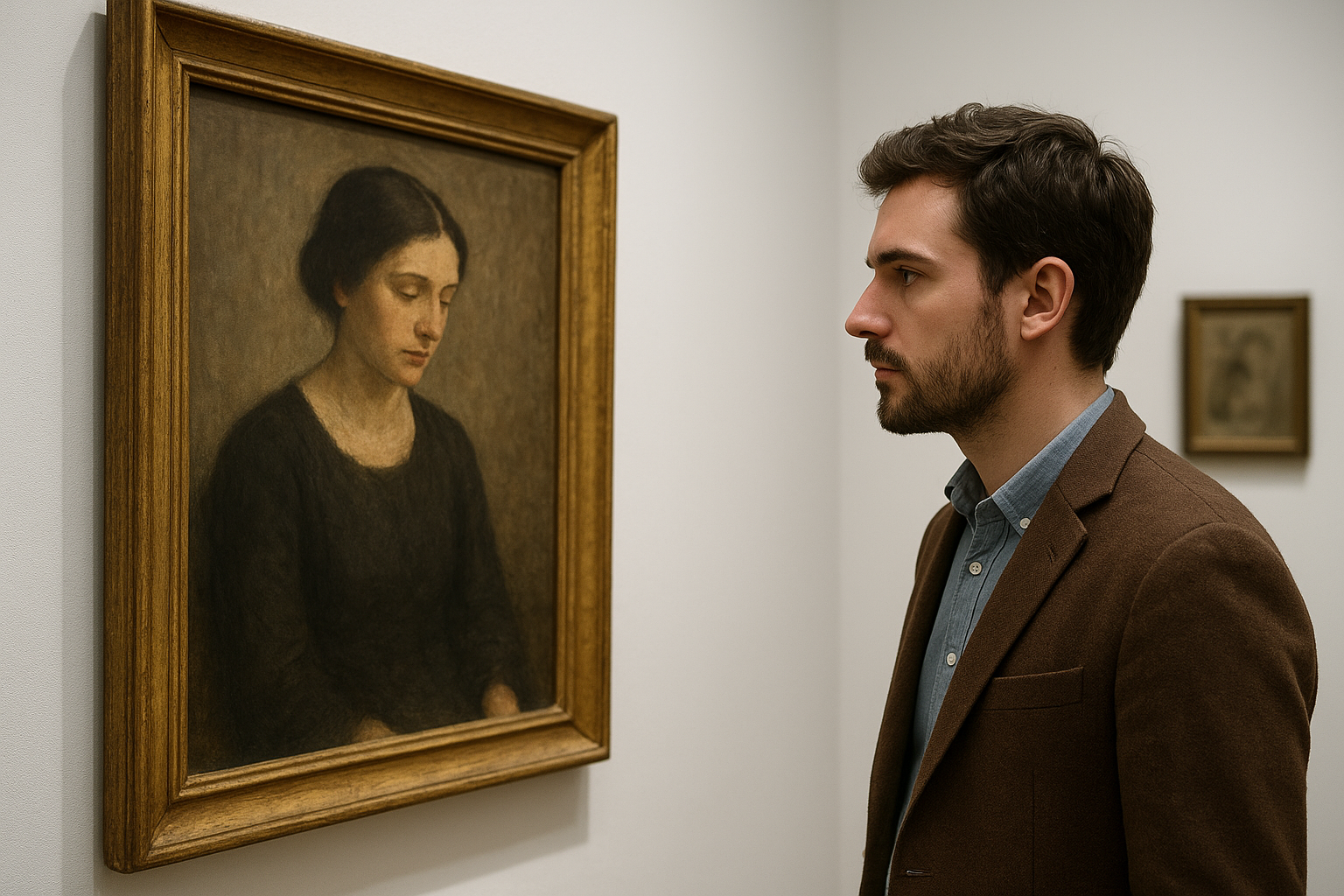
  • The Silent Conversation: The Relationship Between Viewer and Art

    The Silent Conversation: The Relationship Between Viewer and Art

    The enduring connection between viewer and art is a silent conversation, a dialogue without words that transcends time and space. This relationship is not merely an emotional journey but a transformative experience that offers profound insights into the human condition. As Vincent van Gogh aptly stated, “I am seeking, I am striving, I am in it with all my heart.” This sentiment encapsulates the immersive experience that art invites a viewer into—a search for meaning, beauty, and truth.

    The Historical Context

    Since the dawn of civilization, art has been a medium for expressing human experiences and emotions. From the cave paintings of Lascaux to the grandeur of the Renaissance, art has served both as personal reflection and societal commentary. Each piece, a mirror, reflects the time and culture from which it springs, yet it also reaches forward to speak to future generations. The Metropolitan Museum of Art describes this journey through history as a continuous narrative that connects humanity.

    The Viewer’s Role

    A viewer stands before a piece of art not as a passive observer but as an active participant. In the words of Marcel Duchamp, “The viewer completes the work of art.” This interaction brings art to life and breathes meaning into its form. The viewer’s perceptions, emotions, and experiences meld with the artist’s intentions, creating a unique interpretation.

    • Emotional Response: The initial impact of a piece of art often triggers an emotional reaction. This can range from joy, sadness, or tranquility to confusion or even discomfort, each valid and reflective of the viewer’s personal narrative.
    • Analytical Engagement: Beyond emotional response, viewers often engage with art on an intellectual level, seeking to understand the techniques, mediums, and historical context employed by the artist.
    • Reflective Interaction: Finally, art often prompts introspection, allowing viewers to reflect on their own lives and the broader human experience.

    The Artist’s Intention vs. Viewer Interpretation

    The relationship between artist intent and viewer interpretation is complex and often varies widely. While artists may imbue their work with specific meanings or messages, these are not always directly transferrable to viewers. This discrepancy opens the door for personal interpretations that can be as diverse as the viewers themselves.

    “What is art but a way of seeing?” – Saul Bellow

    This quote from Saul Bellow encapsulates the subjective nature of art appreciation. As the viewer engages with the piece, they apply their own framework of understanding, informed by their life experiences and cultural background.

    Case Study: The Silent Conversation in Modern Art

    Modern art often exemplifies the silent conversation between viewer and art through its break from traditional forms and narratives. Artists like Jackson Pollock and Mark Rothko create pieces that defy conventional interpretation, demanding viewer engagement for meaning to emerge.

    • Jackson Pollock: Known for his technique of drip painting, Pollock’s work invites viewers to step into a realm of chaos and creation. The seemingly random patterns force an active engagement, asking audiences to find order or narrative within the chaos.
    • Mark Rothko: Rothko’s expansive color fields are less about depiction and more about eliciting emotional states. Viewers often find themselves enveloped in the contemplative silence of his paintings, encouraging a personal dialogue with the work.

    The Silent Conversation in Different Art Forms

    While paintings and sculptures offer palpable interactions, other art forms such as music, theater, and digital art also engage viewers in unique conversations.

    • Music: Like visual art, music facilitates a deep emotional and psychological engagement. Tracks and symphonies narrate stories without words, allowing listeners to conjure images and feelings in response to rhythms and melodies.
    • Theater: This live art form creates an immediate dialogue between performers and audience, with each performance adding new dimensions to the storyline, colored by audience interaction.
    • Digital Art: In our digital era, new art forms challenge traditional viewer perceptions. Interactive and virtual reality art installations invite viewers to become part of the artwork, actively shaping their experiences.

    Conclusion

    Whether confronting the haunting eyes of Frida Kahlo’s self-portraits or the serene landscapes of Claude Monet, viewers engage in a silent conversation with art—a dialogue that transcends generations. This relationship is dynamic, shaped by the ever-changing perspectives each viewer brings. Much like life itself, the conversation with art is ongoing and evolving, tapping into our innate human desire for expression and connection.

    As we continue to engage with art, let us embrace Pablo Picasso’s insight: “Art washes away from the soul the dust of everyday life.” In this ever-changing dialogue, we find solace, challenge, and ultimately, a deeper understanding of ourselves and the world around us. Thus, the silent conversation continues, inviting us to explore, question, and reflect on the infinite canvases of human experience.

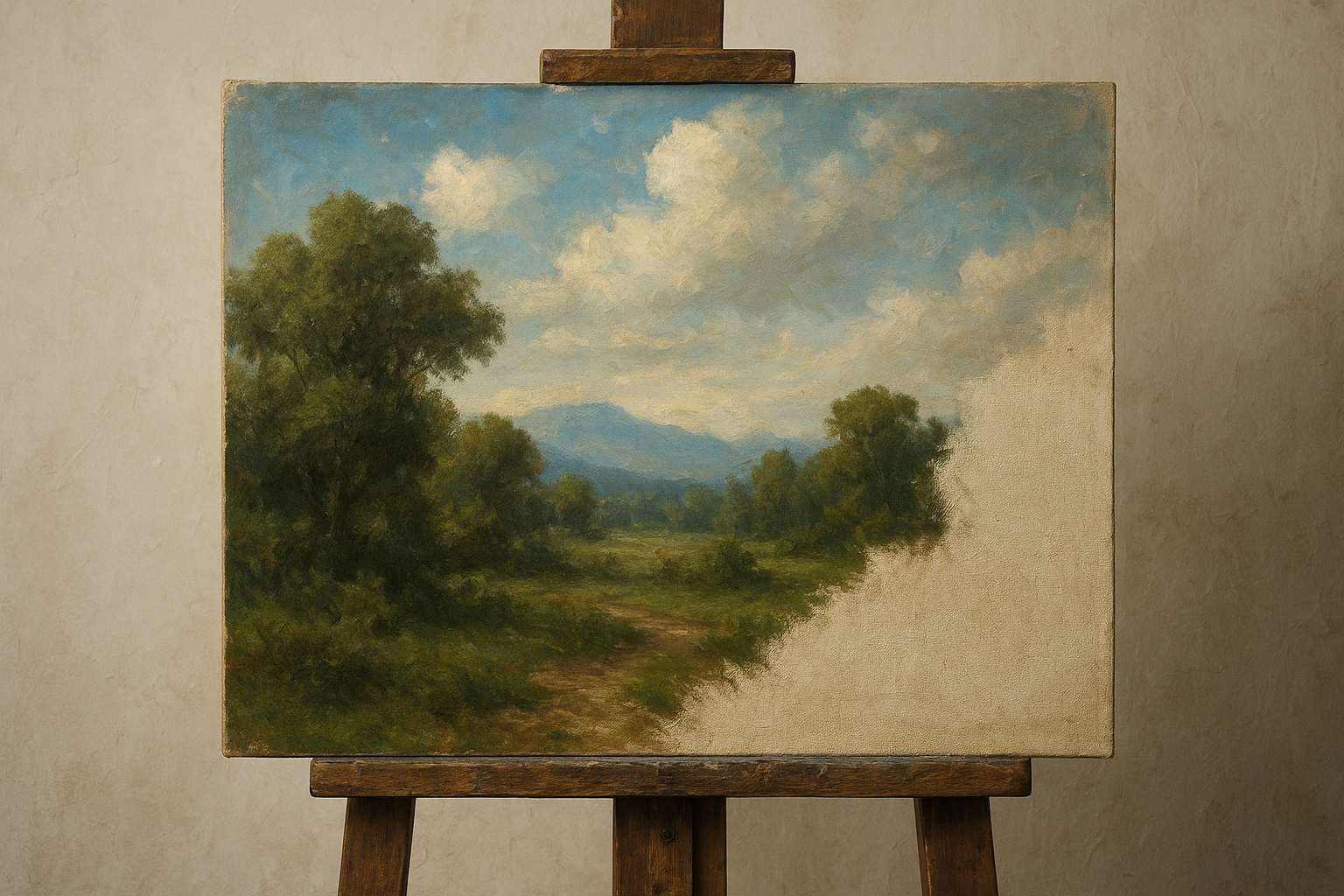
  • The Unfinished Symphony: The Beauty of Incomplete Artworks

    The Unfinished Symphony: The Beauty of Incomplete Artworks

    Art is often perceived as a journey from chaos to coherence, from a raw idea to a finished masterpiece. However, history shows us that some artworks find their enduring power not in completion, but in their state of eternal becoming. These unfinished pieces invite viewers into the creative process, offering glimpses into the artist’s world and the myriad possibilities that lie within the boundaries of the canvas or the flow of symphonic phrases.

    The Charm of Incompleteness

    Unfinished artworks possess a charm all their own. They engage the viewer’s imagination, inviting them to participate in the creative process and finish the narrative themselves. Incompleteness in art, far from being a sign of failure, often becomes a compelling asset. Incomplete artworks ask the viewer to ponder questions of intent, process, and finality.

    Leonardo da Vinci’s Adoration of the Magi remains one of the most famous unfinished paintings. Although Leonardo only laid down the initial sketches and underdrawings, these create a tantalizing sense of motion and intention. The lack of completion leaves room for imagination, encouraging viewers to consider what might have been.

    The Stories Behind Unfinished Masterpieces

    • Michelangelo’s Sculptures: The unfinished statues of Michelangelo, such as the Prisoners or Slaves for the tomb of Pope Julius II, reveal the artist’s struggle with form and concept. These figures appear to be emerging from the stone itself, showcasing Michelangelo’s belief in finding the life within the marble.
    • Franz Schubert’s Symphony No. 8: Known as “The Unfinished Symphony,” this piece disrupts conventional notions of symphonic structure. Despite being only two movements, the work commands a complete emotional narrative, suggesting that music, like visual art, can be whole in its apparent incompletion. As Maurice Brown states in The Life of Franz Schubert: “The enigma of the ‘Unfinished’ Symphony is that it does not feel unfinished.”
    • Charles Dickens’ The Mystery of Edwin Drood: This novel, left incomplete upon Dickens’s death, draws readers into a mystery that allows for myriad interpretations. Each reader is invited to become a co-creator, generating theories and alternative endings, an exercise in collaborative storytelling.

    The Nature of Creativity and Completion

    The allure of unfinished works often lies in the insight they provide into the artist’s process. These artworks allow us to see the raw, the exploratory, and the tentative. Each brushstroke or musical note becomes a tangible thread linking us to the artist’s thoughts and decisions.

    “Art is never finished, only abandoned.” – Leonardo da Vinci

    Leonardo’s words remind us that the idea of completion is subjective. An artist may stop working on a piece for various reasons: shifts in inspiration, societal pressures, or unforeseen circumstances like death. These interruptions present an opportunity to reflect on the influence of external and internal factors on the creative process.

    The Role of the Audience

    The unfinished artwork also illuminates the active role of the audience in art’s interpretation. Each viewer brings personal experiences, emotions, and imagination to fill the voids left by the artist. This participatory nature of art enhances its dynamic quality, making it a living dialogue between the creator and the observer.

    T.S. Eliot encapsulates this interaction eloquently in his essay “Tradition and the Individual Talent” available here: “The reader’s reception is an integral component of the work as a whole.”

    The Modern Perspective

    Today, the concept of unfinished art can also be seen in digital mediums, where artists share concepts and drafts online for feedback. This not only demystifies the creative process but also democratizes it, enabling dialogue between creators and their audiences across the globe.

    The unfinished artwork isn’t merely about the absence of an ending but rather about the richness embedded in the narrative of its creation. In an age where the pressure to perfect and complete is pervasive, these works remind us of the joy and potency found in imperfection and interruption.

    Conclusion

    The beauty of unfinished artworks lies in their profound ability to transcend time, space, and context. Whether it be a painting, sculpture, symphony, or novel, these pieces continue to resonate, inviting each viewer or listener into an exclusive conversation that evolves endlessly.

    By embracing the unfinished, we honor the enduring spirit of creativity and imagination, recognizing that sometimes the greatest beauty is found not in answers, but in questions themselves.

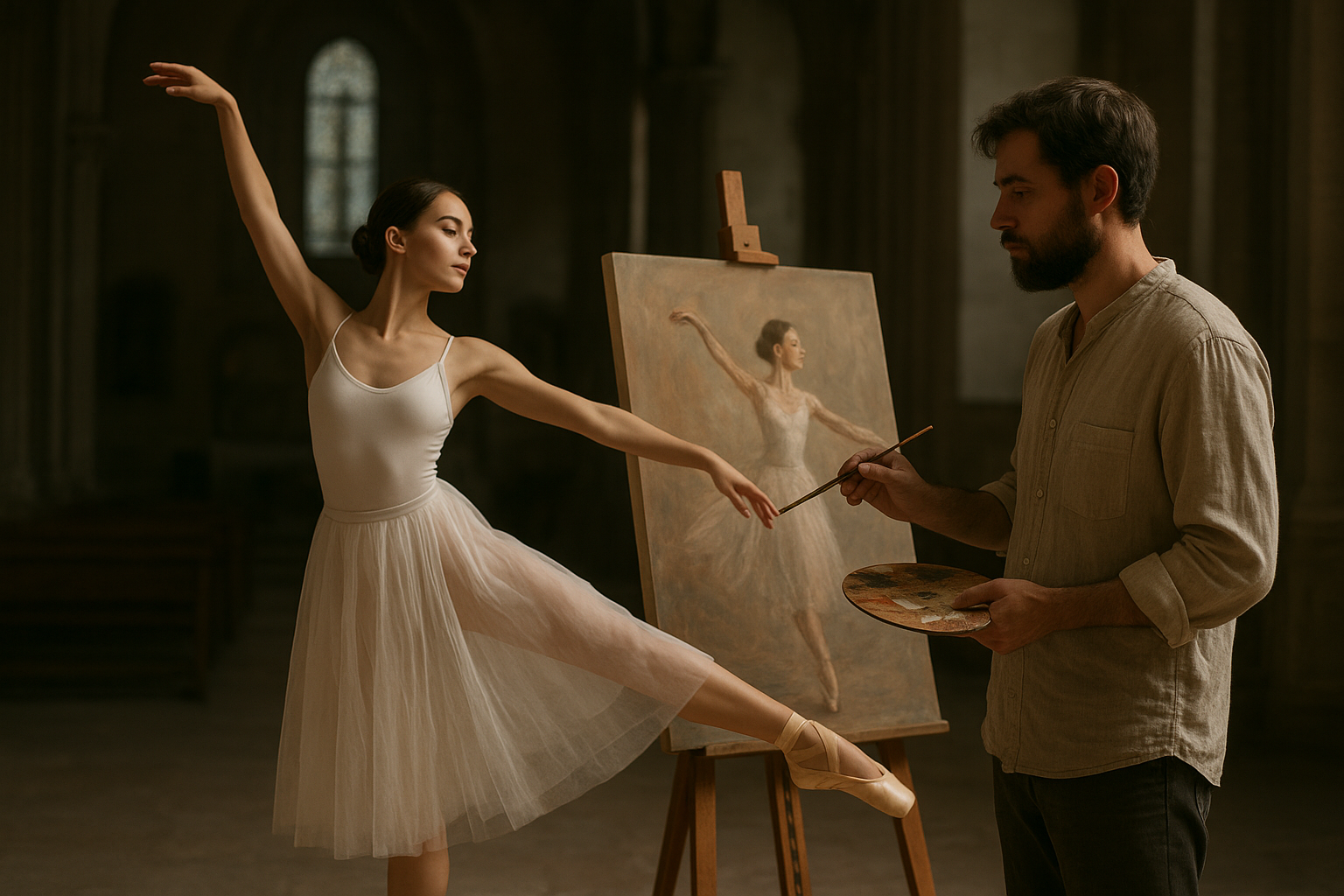
  • The Thread of Transcendence: Connecting Art, Dance, and Faith

    The Thread of Transcendence: Connecting Art, Dance, and Faith

    Art, dance, and faith—each a unique thread that, when woven together, creates a tapestry of human expression that transcends time and culture. These elements, though distinct, share an ability to reflect the ineffable, nurturing a connection between the earthly and the divine.

    The Interplay of Art and Faith

    Historically, art has been a conduit for expressing faith, offering a tangible form for the abstract. From the Byzantine mosaics, with their ethereal depictions of divine figures, to the intricate designs of Islamic calligraphy that meditate on the beauty of the Qur’anic text, art and faith have been enduring companions. As observed by Vincent Van Gogh, “Great things are done by a series of small things brought together.” Art, therefore, becomes a sacred testimony to faith, composed of small, deliberate choices filled with meaning.

    Dance: The Sacred Movement

    Dance, a language of movement, allows for an expression of faith through physicality and rhythm. Whether in the form of the Bharatanatyam—an Indian classical dance celebrating spiritual ideals—or through the whirling of the Sufi dervishes, dance transcends spoken word. Sufi poet Rumi eloquently encapsulated this notion, stating, “Dance, when you’re broken open. Dance, if you’ve torn the bandage off. Dance in the middle of the fighting. Dance in your blood. Dance when you’re perfectly free.” Here, dance becomes a liberation, an act of worship that unifies the dancer with the divine.

    The Symbiosis of the Three

    The synergistic relationship between art, dance, and faith creates a holistic experience that deepens spiritual understanding. For instance, in various cultures, religious ceremonies are often adorned with artistic symbols and communicated through dance performances. These elements enhance the ceremonial ambiance, inviting the community to partake in a collective contemplation of faith.

    In its highest form, art does not merely depict, it delves into the essence of belief systems, much like a dance that takes worship beyond words, into a realm of felt experience.

    The universality of this connection—across borders, languages, and epochs—suggests a fundamental human desire to seek out and manifest the divine truths in visible, tangible forms. Through the lens of art and the grace of dance, faith is not just seen or felt but truly experienced.

  • Capturing the Unspeakable: Photography of Trauma and Healing

    Capturing the Unspeakable: Photography of Trauma and Healing

    Photography has long been a powerful medium for capturing the spectrum of human experience. Among its most profound roles is in depicting trauma and subsequent healing, offering both an outlet for expression and a tool for raising awareness. In arenas marked by conflict, personal loss, or collective suffering, photography provides a lens through which the unspeakable becomes tangible and ultimately, perhaps, a prompt for healing.

    The Power of Visual Testimony

    Photographs have the unique ability to tell stories that transcend language barriers, often communicating emotions too deep for words. They serve as visual testimonies that preserve and honor the pain of those who have endured devastation. Susan Sontag in her seminal work On Photography wrote, “Photographs are a way of imprisoning reality… One can’t possess reality, one can possess images—one can’t possess the present but one can possess the past.” This encapsulates how photography can capture moments of trauma that demand recognition and remembrance (New York Times).

    Fostering Empathy and Connection

    Images of trauma often evoke strong emotional responses, invoking empathy and spurring action. Photographers such as James Nachtwey, known for documenting war and famine, or Lynsey Addario, capturing the nuances of life in conflict zones, have used their craft to bridge gaps between disparate worlds. By bringing viewers face-to-face with the stark realities of suffering, these images can foster a sense of global empathy and urgency for change.

    Photography as a Healing Process

    Beyond raising awareness, photography can be an instrumental part of the healing process for both subjects and photographers themselves. Creating art from personal distress allows individuals to explore and perhaps transform their experiences of pain. In trauma therapy, the use of photography can help individuals process their narratives, creating a visual diary of recovery.

    “Photography opened my eyes, it healed me, it grounded me,” says Sheila Pree Bright, an acclaimed photographer whose work addresses identity and social injustices. Her projects often focus on underrepresented voices, providing platforms for stories that might otherwise remain untold.

    A Call for Ethical Engagement

    However, documenting trauma through photography comes with ethical considerations. Photographers must navigate the fine line between storytelling and exploitation, ensuring that dignity and context are prioritized over sensationalism. Ethically engaged photography demands respect for subjects’ stories and agency, aiming to empower them rather than reduce them to mere objects of spectacle.

    In conclusion, while photography of trauma and healing must be approached with sensitivity and ethical mindfulness, its impact in bearing witness to suffering and promoting empathy cannot be understated. Ultimately, these images foster a shared humanity, prompting viewers to recognize and act upon the often unspoken sufferings of our world.

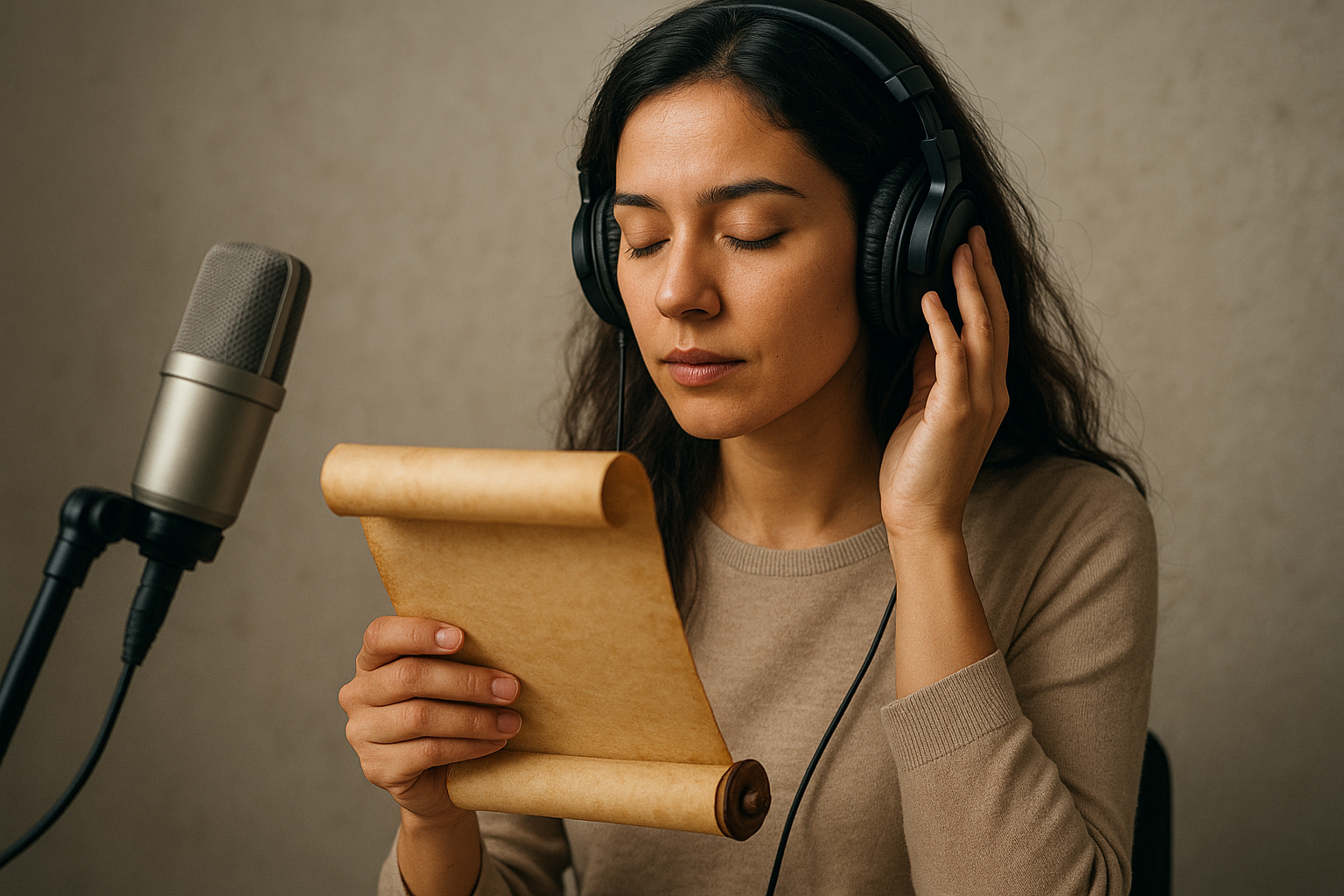
  • The Sonic Scroll: Storytelling Through Contemporary Sound

    The Sonic Scroll: Storytelling Through Contemporary Sound

    The Sonic Scroll: Storytelling Through Contemporary Sound

    The Sonic Scroll: Storytelling Through Contemporary Sound

    In an age where visual stimuli dictate much of how stories are communicated, sound remains an unsung hero, weaving rich tapestries of narrative and emotion. From ancient oral traditions to modern podcasts, sound transcends the visual limitations of storytelling, tapping directly into the auditory cortex of human perception.

    Unveiling the Power of Sound

    “Sound is the vocabulary of nature,” remarked renowned American composer Bernie Krause, underlining the inherent storytelling power embedded within every melody, rhythm, and noise.

    Sound has the unparalleled ability to evoke emotion and imagination. While a picture is worth a thousand words, a sound is worth a thousand pictures. This transformative property is key to unlocking new dimensions of storytelling, bent on immersing audiences in a world crafted through auditory stimuli.

    The Anatomy of Soundscapes

    More than mere musical accompaniments, soundscapes create immersive worlds. In films, for instance, the atmosphere created by soundscapes can profoundly alter how a scene is perceived:

    • Environmental Sounds: The chirping of crickets or the distant rumble of thunder finely details the environment, providing context beyond the visual.
    • Background Score: A well-composed score can intensify the emotional landscape, guiding viewers through the intended emotional journey.
    • Silence: The strategic use of silence can often speak louder than any note, emphasizing tension or signifying profound moments of realization.

    These elements collaborate to narrate stories that are as vivid without visuals as they are with them.

    Modern Sound Storytelling Platforms

    With the rise of technology, new mediums are emerging that leverage sound as a storytelling tool, embracing both tradition and innovation.

    Podcasts: The New Oral Tradition

    Podcasts have blossomed into a contemporary storytelling medium, blending journalism, talk shows, and fictional narrative in an accessible format. Serial, a true-crime podcast, exemplified the power of contemporary oral storytelling, captivating millions with its riveting narrative and intricate sound design.

    Interactive Audio Experiences

    Interactive audio experiences usher in a new era of dynamic storytelling, where listeners control their narrative paths. One intriguing example is

    Echoes, an audio game that uses binaural sound techniques to transport players into a three-dimensional auditory space, inviting them to explore and influence the storyline.

    The Role of Technology

    Technological advancements are pivotal in enhancing how we experience sound and, as a result, storytelling.

    Virtual Reality: Sound in a New Dimension

    Within the realm of virtual reality (VR), sound plays a crucial role in creating immersive environments. Companies like Oculus invest heavily in developing spatial audio techniques that mimic how sound occurs in real life, elevating the storytelling potential in VR applications.

    Artificial Intelligence and Sound Design

    AIVA, an artificial intelligence platform, harnesses algorithms to compose original music, perfectly tailored to complement various narrative tones and themes. Such technology provides storytellers with customized soundscapes, enhancing the emotional engagement of audiences.

    Challenges and Opportunities

    As with any artistic medium, sound storytelling faces challenges that it must overcome to reach its full potential.

    Piracy and Ownership

    Ensuring creators retain control over their sound compositions is an ongoing struggle in the digital age, as is safeguarding original work from piracy. However, services like SoundCloud provide platforms for creators to publish and distribute their work, helping to mitigate these issues through monetization options and protective measures.

    Diversity of Expression

    The diversity in sound storytelling represents both a challenge and an opportunity. Access to resources and varied cultural perspectives can greatly expand sound’s narrative capabilities. Encouraging inclusivity and collaboration can yield unprecedented storytelling horizons.

    The Future of Sound Storytelling

    As technology evolves, the merging of sound with new forms of interactivity will pave avenues yet unexplored. The intersection of audio with artificial intelligence, augmented reality, and machine learning holds promise for more customized, immersive narrative experiences.

    As Sonic Scrolls continue to evolve, their potential to redefine storytelling remains limitless. Whether through podcasts, interactive audio, or technological augmentations, the narrative power of sound continuously reimagines the way we connect with stories.

    In conclusion, sound will always resonate at the core of the human experience. It is more than a backdrop—it is a canvas that demands attention and invites deep reflection. The sonic storyteller’s journey, though fraught with challenges, offers boundless opportunities to harness the very essence of human communication, challenging our perceptions and inspiring future generations.

  • The New Mythology: Crafting Personal Narratives Through Art

    The New Mythology: Crafting Personal Narratives Through Art

    In an age where communication is often reduced to fleeting digital interactions, the act of creating personal narratives through art has emerged as a transformative experience. This new mythology is not carved in ancient stone or written in the annals of old texts but is instead a vibrant testament to individual experience, emotion, and imagination. Through painting, sculpture, music, and film, artists today are crafting personal myths that resonate on a universal scale.

    The Power of Personal Myth

    Mythologies have historically served as a means to explain the unexplainable, to give life to the abstract. Today, as individuals seek to define themselves in an ever-changing world, personal myth-making through art has become a potent form of self-expression and identity construction. As Joseph Campbell famously said, “Myths are public dreams, and dreams are private myths.” This intersection of the public and private narrative allows artists to communicate their innermost thoughts and feelings with audiences who may share those same universal themes.

    “We tell ourselves stories in order to live,” wrote Joan Didion, capturing the essence of why humans have leaned on storytelling throughout history. These stories, reflected in the evolving mythologies of contemporary times, are integral to our understanding of self and other.

    Art as a Reflection of Self

    • Paintings and Drawings: The act of painting provides a canvas not just for colors, but for life stories. Artists like Frida Kahlo have famously used self-portraits to express personal pain and resilience. Kahlo’s works are deeply autobiographical, with vibrant symbolism that hints at both her Mexican heritage and her personal suffering.
    • Music and Performance: Musicians often speak to their own myths through songs. Taylor Swift, for example, weaves intricate personal narratives into her albums, transforming personal experiences into relatable anthems. “[…] with each album, I explore a new world and create a new mythology for myself,” Swift reveals in an interview with Rolling Stone.
    • Film and Media: Directors like Guillermo del Toro craft richly layered cinematic experiences that blend personal folklore with universal themes. In movies such as Pan’s Labyrinth, del Toro explores the dark corners of human experience, inviting audiences into his own mythological universe that straddles reality and fantasy.

    The Universal Appeal

    While deeply personal, the narratives crafted by artists have universal resonance. The themes they explore—love, loss, identity, and transformation—are experiences shared by many. It is this commonality that gives these new mythologies their power. By funneling personal experience through the prism of art, creators offer mirrors for audiences to see their own stories reflected back at them.

    Art therapist Cathy Malchiodi discusses the healing aspects of art-making, stating, “Creating art enables us to find and lose ourselves at the same time.” This duality is at the heart of why personal myth-making remains relevant; it allows for both introspection and connection.

    The Modern Storytellers

    Modern artists are not constrained by the traditional boundaries of narrative. The digital age has opened up new avenues for storytelling, from multimedia installations to virtual reality experiences. Artists like Olafur Eliasson use these tools to craft immersive environments that invite viewers to step into the narrative, altering their perceptions and inviting them to become part of the story. In his work The Weather Project, Eliasson engaged with a mass audience to reflect on the environment and our relationship to it, crafting a shared mythic experience.

    Social media platforms, too, play a role, allowing artists to engage with audiences in real-time and receive immediate feedback. This interactivity enhances the storytelling process, as narratives can evolve with contributions from a global audience, emphasizing the collective nature of these new myths.

    Conclusion: Embracing Your Own Mythology

    The creation of personal narratives through art is a reminder of the enduring power of storytelling. In a world where individual voices can seem lost amid the noise, art remains a beacon of personal and collective human experience. As viewers engage with these stories, they find themselves both observer and participant in a cosmic dance, one that transcends time and space.

    The new mythology invites each of us to author our own stories, to craft our own legends, and to embark on our own hero’s journeys. Like the myths of old, these contemporary narratives hold the power to transform not only the creator but also those who journey alongside them.

  • The Ecstasy of Error: Embracing Imperfection in Performance

    The Ecstasy of Error: Embracing Imperfection in Performance

    In the fast-paced world of performance, whether on stage, in sports arenas, or in corporate boardrooms, the pursuit of perfection often takes center stage. Yet, a growing chorus of voices is beginning to recognize the value of imperfection as a critical component of authentic and compelling performances. The ecstasy of error, a concept that celebrates mistakes as learning opportunities and catalysts for creativity, invites performers and audiences alike to redefine success and embrace the unexpected.

    The Beauty of Imperfection

    Throughout history, artists and thinkers have recognized the beauty inherent in imperfection. The Japanese concept of wabi-sabi venerates simplicity and the beauty of things incomplete or imperfect. As author Richard Powell puts it, “Wabi-sabi nurtures all that is authentic by acknowledging three simple realities: nothing lasts, nothing is finished, and nothing is perfect.”

    This philosophy is particularly pertinent in performances where spontaneity and human error inject authenticity and relatable vulnerability. Consider the timeless appeal of live music. Every concert is an opportunity for musicians to reinterpret their own work, perhaps hitting a wrong note or missing a cue, adding a unique, ephemeral quality to each performance. It is these imperfections that often render a performance memorable and genuine.

    The Science Behind the Mistake

    From a psychological standpoint, the fear of making mistakes is deeply ingrained in many of us. However, research suggests that making errors can actually stimulate learning processes. According to a study published in the Journal of Experimental Psychology, mistakes activate brain regions associated with learning and memory, suggesting that error-making is essential for growth and skill acquisition (APA Journal).

    “An error is not a stepping stone to a decision; it is a decision in itself,” states psychologist James Reason, emphasizing the reflective potential of errors.

    The performance arts are replete with examples of how mistakes lead to unexpected creative breakthroughs. Choreographer Crystal Pite advises her dancers to “keep your mistakes as gifts,” transforming potential missteps into new creative avenues.

    Case Studies in Error-Driven Innovation

    • Live Theatre: In the realm of live theatre, actors are trained to adapt to unforeseen circumstances such as forgotten lines or technical malfunctions. These improvisations often enrich performances, enchanting the audience with spontaneous comedy or drama that might be absent in a flawless rendition.
    • Sports: Athletes like Michael Jordan have achieved greatness by learning from their failures. In his own words, “I’ve missed more than 9,000 shots in my career. I’ve lost almost 300 games. 26 times, I’ve been trusted to take the game-winning shot and