Category: MythCoeur

  • The Unlearning Body: Shedding Old Habits in Contemporary Dance

    The Unlearning Body: Shedding Old Habits in Contemporary Dance

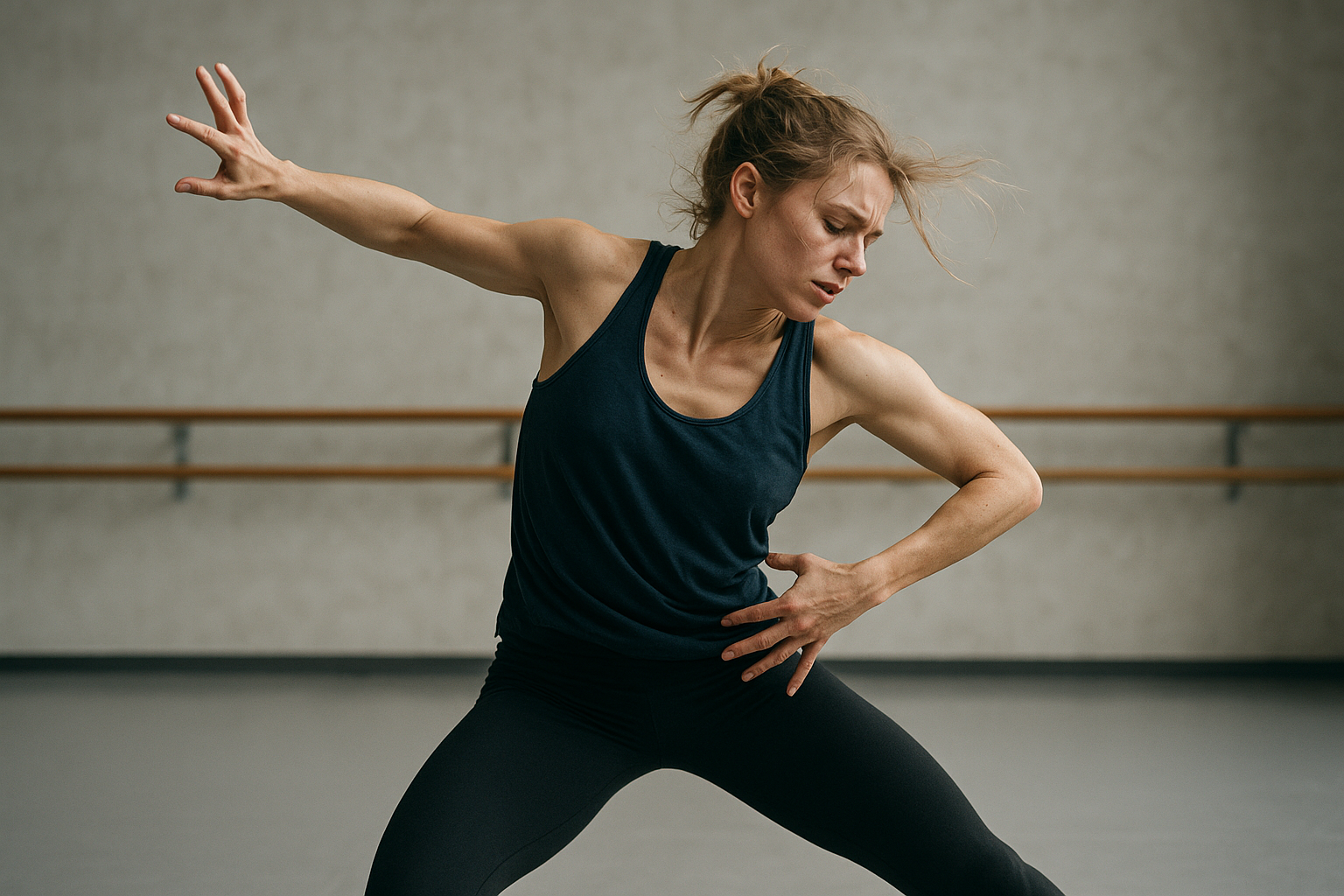
    In the world of contemporary dance, the phrase “the unlearning body” evokes a process of deconstructing learned habits, norms, and biases, creating space for new expressions and innovative choreographies. This evolution is more than just a physical undertaking; it is, at its core, a psychological transformation that seeks to redefine movement and expression.

    The Foundation of Habits in Dance

    Habits, fundamentally, are unconscious patterns that dictate our actions. In dance, these are often formed over years of training and practice. Renowned dancer and choreographer Merce Cunningham once noted, “You have to love dancing to stick to it. It gives you nothing back, no manuscripts to store away, no paintings to show on walls and maybe hang in museums, no poems to be printed and sold, nothing but that single fleeting moment when you feel alive.” (source). These habits create a sense of stability, providing a structured framework within which dancers operate.

    The Psychology of Unlearning

    The process of unlearning involves a paradigm shift, a dismantling of established patterns to enable growth and innovation. This transformational journey is underpinned by the cognitive flexibility to break down previously acquired motor patterns, and the strength to explore new ones.

    Understanding Cognitive Flexibility

    Cognitive flexibility is the mental ability to switch between thinking about two different concepts, and simultaneously to think about multiple concepts. In the context of contemporary dance, this manifests as a dancer’s ability to switch from traditional forms and movements to innovative and abstract concepts that defy classical norms.

    “Cognitive flexibility can’t be developed without pushing the boundaries and stepping outside of traditional confines,” says Dr. Claire Adams, a psychologist specializing in performing arts. “Dancers need to deprogram their bodies repeatedly to allow for this evolution.”

    The Role of Mindfulness

    Mindfulness plays a vital role in the unlearning journey. Mindful practices encourage dancers to focus on the present moment, fostering an acute awareness of their body’s proprioception and kinesthetic potential. This awareness aids in identifying ingrained habits that need modification or removal.

    Mindfulness is both a mental state and a practice. It is achieved through meditation, breathing exercises, and thoughtful observation of the self. Dancers who integrate mindfulness practices into their routines report significant improvements in their ability to embrace new movements and adapt to unconventional methods.

    Innovative Movement Techniques

    Contemporary dance is replete with techniques that emphasize fluidity, improvisation, and experimentation. These forms resist the rigidity of classical ballet or modern dance and encourage dancers to explore their physicality beyond established boundaries.

    Contact Improvisation

    One of the most groundbreaking techniques in contemporary dance is contact improvisation, where dancers engage in spontaneous, unchoreographed movements while maintaining physical contact. This technique, described as an “art-sport,” challenges traditional dance’s formalized structures, pushing dancers to rely on instincts rather than pre-learned patterns.

    Gaga Movement Language

    The Gaga movement, developed by Ohad Naharin, is another influential method focusing on listening to the body rather than setting rigid goals for movements. Gaga emphasizes internal exploration, encouraging dancers to tap into organic movement and emotional expression. It’s described as a “non-stop journey” where dancers discover the myriad potential within their bodies, often unearthing layers of movement that were buried under years of technical study.

    According to Naharin, “Gaga is an ongoing process of research; you test your limits. You can sweat it out and yet dance in ecstasy.” (source)

    The Impact of Cultural and Societal Factors

    Today, unlearning in dance is also heavily influenced by cultural and social dynamics. The global exchange of ideas allows dancers from diverse backgrounds to mesh their traditional forms with contemporary styles, further dissolving the rigid boundaries that once defined dance genres.

    Cross-Cultural Exchange

    The fluidity and openness of contemporary dance have encouraged cross-cultural collaborations, enabling dancers to draw inspiration from a wide array of global influences. This cross-pollination of styles often necessitates discarding preconceived cultural notions of movement, allowing for a more inclusive dance language.

    The unlearning process is not without resistance. For many who have dedicated years to mastering a particular style, approaching dance from a position of expansive flexibility can initially seem daunting. However, the rewards of such an endeavor are abundant, resulting in an enriched performance capacity and a broadened artistic perspective.

    Decolonizing Dance

    The movement to decolonize dance involves critically evaluating the traditional Western canon of dance education and performance, which often marginalizes non-Western perspectives and practices. Unlearning in this context means recognizing and valuing diverse cultural narratives and movement practices that have long been excluded from mainstream discourse.

    The Future of the Unlearning Body

    As contemporary dance continues to evolve, the concept of the unlearning body will likely expand and deepen. This evolution is not merely about abandoning the past but rather about building upon it, incorporating lessons learned through exploration and discovery.

    By embracing unlearning, dancers are afforded a freedom and autonomy in their art that had previously been unimaginable. With each instinctive movement, they rewrite the narrative of what dance can be, proving that the unlearning body is, indeed, a vessel for endless creativity and new beginnings.

    Ultimately, the unlearning body stands as both metaphor and praxis—a symbol of the boundless potential inherent in every dancer, and a methodological approach to dance that champions examination, experimentation, and expression.
  • The Post-Secular Sacred: Finding Holiness Outside Institutions

    The Post-Secular Sacred: Finding Holiness Outside Institutions

    In an era characterized by increasing skepticism towards traditional religious institutions, many individuals are carving out unique paths to spiritual fulfillment. This burgeoning phenomenon, often referred to as the “post-secular sacred,” signifies a move towards finding holiness outside the confines of organized religion.

    Embracing a New Spiritual Paradigm

    The term “post-secular” suggests a society where secularism no longer dominates public life to the exclusion of the sacred. Rather than adhering strictly to dogmas and doctrines, people are exploring spirituality on their own terms. This trend is not simply a rejection of institutional religion but a reimagining of it. According to sociologist Peter Berger, “The world today, with some exceptions… is as furiously religious as it ever was, and in some places more so than ever” (source).

    Practices and Beliefs of the Post-Secular

    Post-secular spirituality manifests in varied and personal ways:

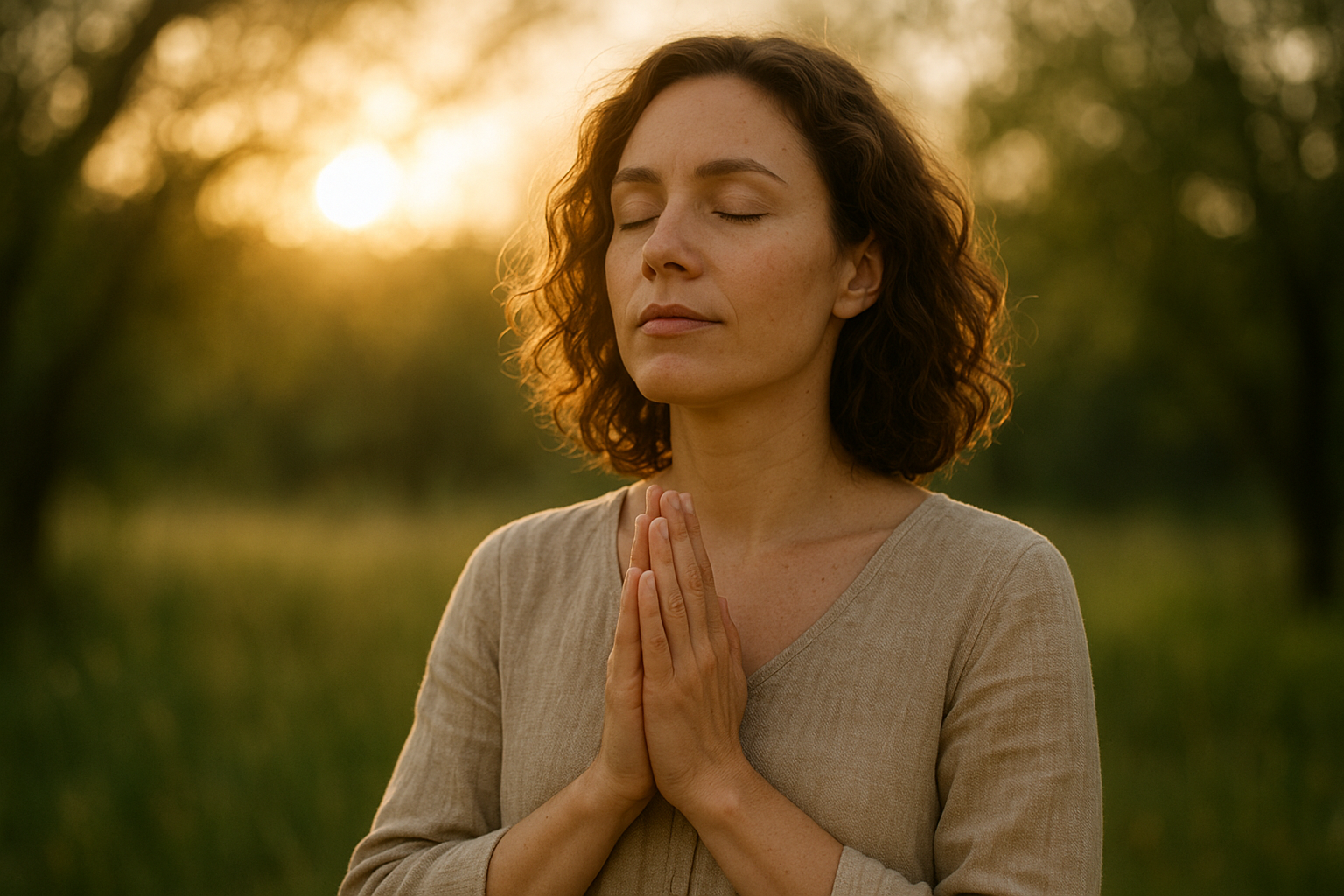
    • Nature Worship: Many individuals find the divine through nature, seeing the environment as a direct reflection of the sacred. Outdoor meditations and eco-spirituality have become popular avenues for those seeking a personal connection to the divine.
    • Mindfulness and Meditation: Rooted in both religious and non-religious traditions, practices like yoga and meditation enable individuals to connect with a higher state of consciousness.
    • Interfaith Exploration: A growing number of spiritual seekers are attending services and ceremonies across various faiths, finding personal truths and universal sacred elements transcending individual doctrines.

    “We are in the midst of a ‘spiritual revolution’ characterized by a growing offshore-institutional religion, which is giving way to more free-flowing spiritual currents,” remarks sociologist Natasha Megah.

    The Future of Spirituality

    As society continues to evolve, the boundaries between secular and sacred become increasingly blurred. In a world where the Internet enables unprecedented access to different spiritual practices and philosophies, individuals are empowered to craft their own understanding of the holy.

    The post-secular sacred emphasizes a deeply personal spirituality—one that often merges elements of traditional faiths with newer, eclectic practices. This shift reflects a dynamically changing spiritual landscape, offering a future where spirituality is as diverse and nuanced as the individuals who practice it.

    Ultimately, the quest for the sacred seems destined to continue, embracing both the ancient and the new in an ever-evolving dance of belief.

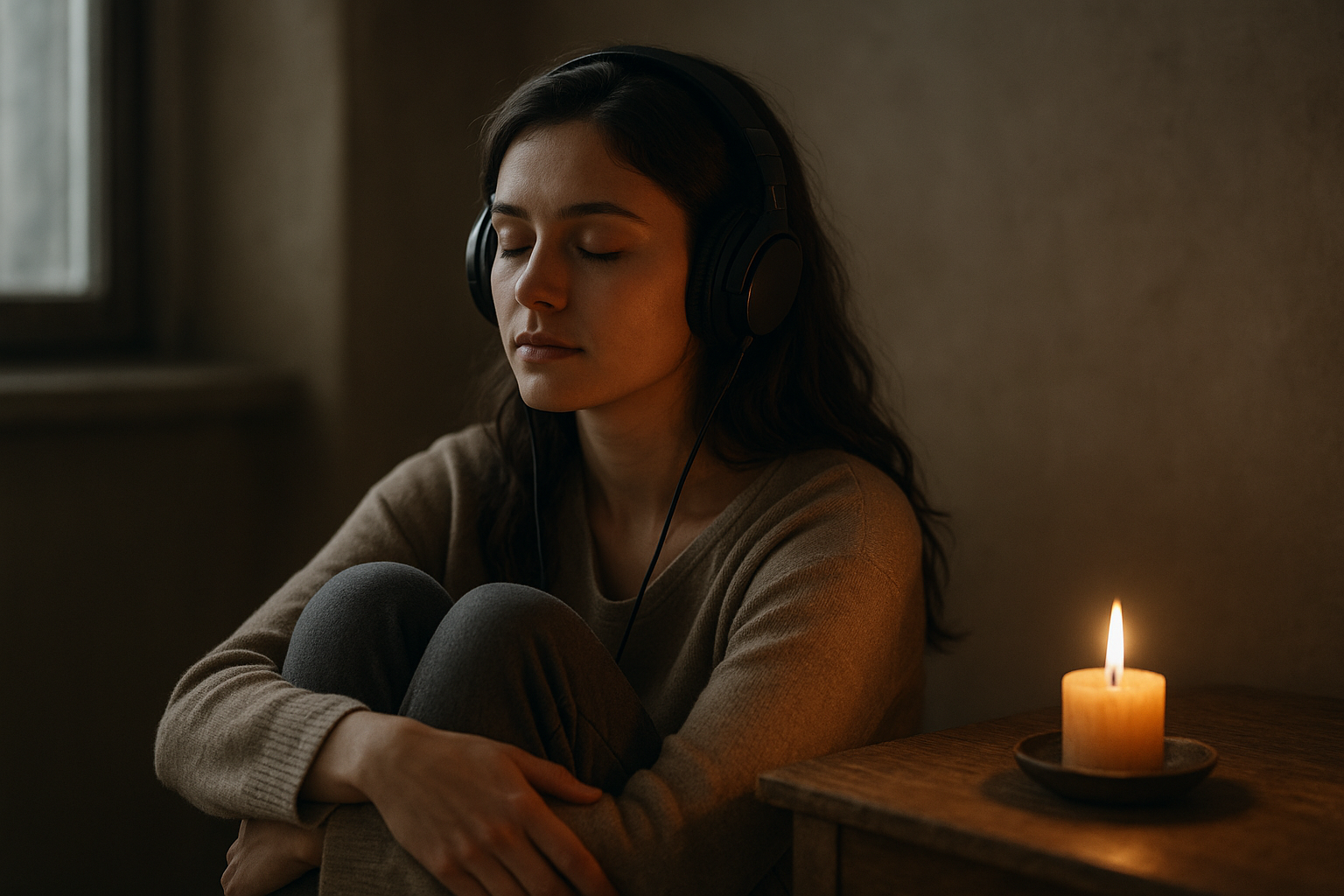
  • The Soundtrack of Solitude: Music for the Inner Journey

    The Soundtrack of Solitude: Music for the Inner Journey

    In the cacophony of modern life, solitude has become a rare and precious commodity. While the world outside spins in its relentless rhythm, many seek solace in music—a universal language that, perhaps more than any other art form, understands the nuances of isolation and the exploration of the self. The soundtrack of solitude is rich, varied, and deeply personal, serving as both a refuge and a companion on the inner journey.

    The Intimate Connection: Music as Meditation

    Music possesses an extraordinary ability to mirror our innermost feelings, offering a sense of tranquility essential for introspection. As Plato famously said, “Music is a moral law. It gives soul to the universe, wings to the mind, flight to the imagination, and charm and gaiety to life and to everything.”

    “After silence, that which comes nearest to expressing the inexpressible is music.”
    — Aldous Huxley

    This sentiment captures how music transforms the abstract into tangible emotion, setting the stage for meditation and self-discovery. Through genres such as ambient, classical, and folk, listeners can create sanctuaries of sound where they are free to unwind and reflect.

    Genres of Solace

    • Ambient: Characterized by atmospheric and tone-driven compositions, ambient music has long been a favorite for those seeking calm. Artists like Brian Eno and Aphex Twin create soundscapes that act as auditory enclosures, enveloping listeners in waves of serene melodies.
    • Classical: With its vast range of emotions, classical music offers a journey through the soul. Pieces like Beethoven’s “Moonlight Sonata” or Chopin’s Nocturnes convey a deep sense of melancholy and beauty, perfect for thoughtful reflection.
    • Folk: Often rooted in storytelling, folk music bridges individual isolation and community experience. Artists like Nick Drake and Joni Mitchell offer intimate reflections on life’s trials, thus resonating with listeners’ personal journeys.

    Crafting the Personal Playlist

    Creating a personal playlist is an art that speaks directly to an individual’s emotional needs and preferences. A curated playlist can nurture solitude, offering comfort through familiar sounds and new discoveries. Here are some tips for crafting your own:

    • Introspection: Begin by reflecting on the emotions or memories you wish to explore or escape. This will help you identify the genre or artist that aligns with your mood.
    • Variety: While it’s important to maintain a coherent mood, introducing new elements can lead to fresh insights. Mixing genres or exploring artists unfamiliar can bring unexpected depth to your listening experience.
    • Repetition: Sometimes, listening to the same piece multiple times allows its layers to unfold more fully, offering new perspectives with each encounter.

    The Power of Live Music

    While recorded music provides a personal retreat, live performances can also enhance the solitary experience. Attending a concert, even in a crowd, can cultivate a unique sense of connection and self-reflection. As Hans Christian Andersen observed, “Where words fail, music speaks.” The energy of a live performance can amplify the introspection that solitude seeks to foster.

    Modern Platforms: Accessible Solitude

    The digital age has revolutionized how we access music, making the solitude soundtrack more accessible than ever. Streaming platforms like Spotify and Apple Music offer curated playlists and recommendations that cater to individual tastes. With these platforms, music that soothes the soul is just a click away, enabling a global audience to embark on personal journeys.

    A Journey Inward

    Ultimately, the soundtrack of solitude is a personal odyssey. It is an exploration of feelings, a reflection on life’s path, and a celebration of moments spent alone. As we tune into the melodies that speak to our solitude, we discover not only the intricacies of the music but also the depths of our own being.

    The next time the noise of the outside world becomes overwhelming, remember that a moment of solitude awaits, soundtracked by the perfect blend of harmony and silence.

  • The Alchemy of the Archive: Using Old Images in New Ways

    The Alchemy of the Archive: Using Old Images in New Ways

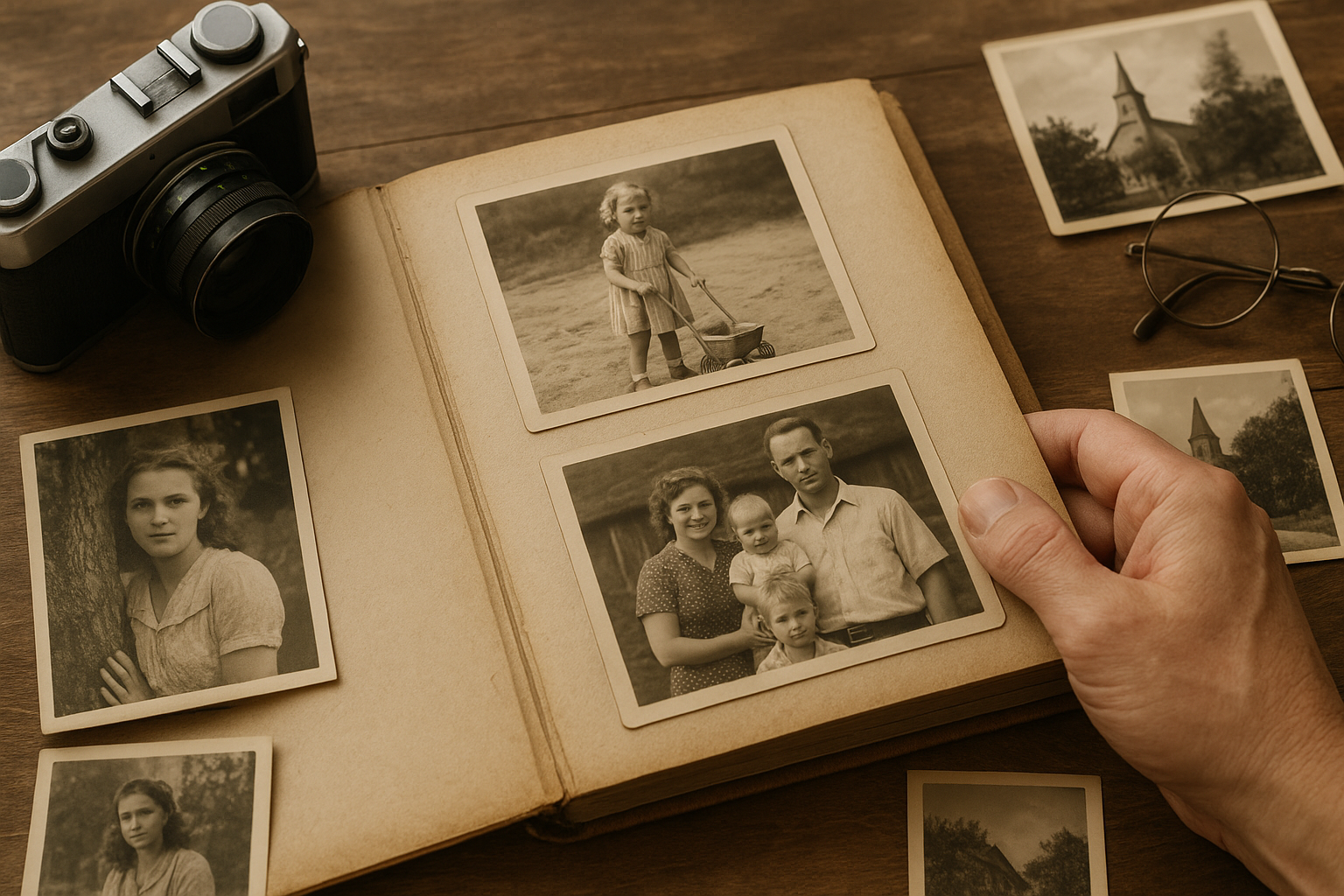
    In an age where digital media is omnipresent, the fascination with old images is undergoing a remarkable renaissance. This resurgence is not merely about nostalgia; it’s about innovation, technology, and creativity. As we sift through the archives, turning dusty prints into digital gold, we’re witnessing the alchemy of the archive come to life.

    The Power of Old Images

    Old images hold a unique power. They are windows into the past, offering glimpses of moments long gone. These images are not just artifacts but are being reimagined and repurposed in ways that unlock new potentials.

    “History is a vast early warning system.” — Norman Cousins

    With this in mind, old images are being used as learning tools, references, and inspiration, enriching our narratives with historical context and authenticity.

    Technological Innovations: Breathing New Life into the Past

    The journey from dusty albums to vibrant digital landscapes is fueled by technological advancements. Here are a few innovations transforming how old images are being used today:

    • AI and Machine Learning: Technologies like DeOldify use AI to colorize black and white photos, bringing a new vibrancy to historical events and personal memories alike.
    • Image Restoration: Tools like Adobe Photoshop offer sophisticated options for enhancing and restoring old photos, turning faded family portraits into crisp images filled with detail.
    • Augmented Reality: Applications like Snapchat and Google Lens allow users to interact with historical images in real-time, overlaying the past on present-day environments.

    Creative Applications: Transforming Archives into Art

    Artists and creators are finding innovative ways to weave old images into new works of art and media:

    • Collage Art: Using fragments of historical images, modern artists are creating collages that juxtapose the past with the present, challenging perceptions and sparking new dialogues.
    • Documentary Films: Filmmakers are embedding archival footage into documentaries, providing authenticity and depth to narratives. Ken Burns, renowned for his historical documentaries, states, “The power of history is to move us.”
    • Virtual Museums: Institutions are creating virtual spaces using digitalized archives, allowing global audiences to explore history interactively. For instance, the Museum of Modern Art offers virtual tours featuring archived artworks.

    Old Images in the Digital Economy

    The economic potential of archived images is significant as well. Websites like Getty Images and Shutterstock have vast collections of historical imagery available for licensing, supporting industries ranging from advertising to education.

    Moreover, as The New York Times highlights, the demand for authentic, high-quality historical images for use in social media platforms like TikTok is on the rise, as creators seek to add depth and interest to their storytelling.

    Challenges and Considerations

    While the reuse of old images is exciting, it’s important to approach the practice with careful consideration:

    • Copyright Concerns: Not all archived images are free from copyright constraints. Ensuring proper licensing is crucial to legally utilizing historical photographs.
    • Image Integrity: It’s essential to maintain the integrity of the image, not altering it beyond recognition, which can lead to historical inaccuracies.

    Conclusion: A New Dawn for Old Images

    As we continue to integrate these powerful artifacts into our digital world, we unlock a wealth of opportunities for education, innovation, and creative expression. The alchemy of the archive continues to transform our understanding of the past, enriching our present, and building bridges to the future.

    In the words of renowned scholar Pierre Nora, “Memory is life… it is constantly evolving.” And as long as there is history to remember, old images will find new ways to live.

  • The Rattle of Reform: Challenging Authority in Traditional Arts

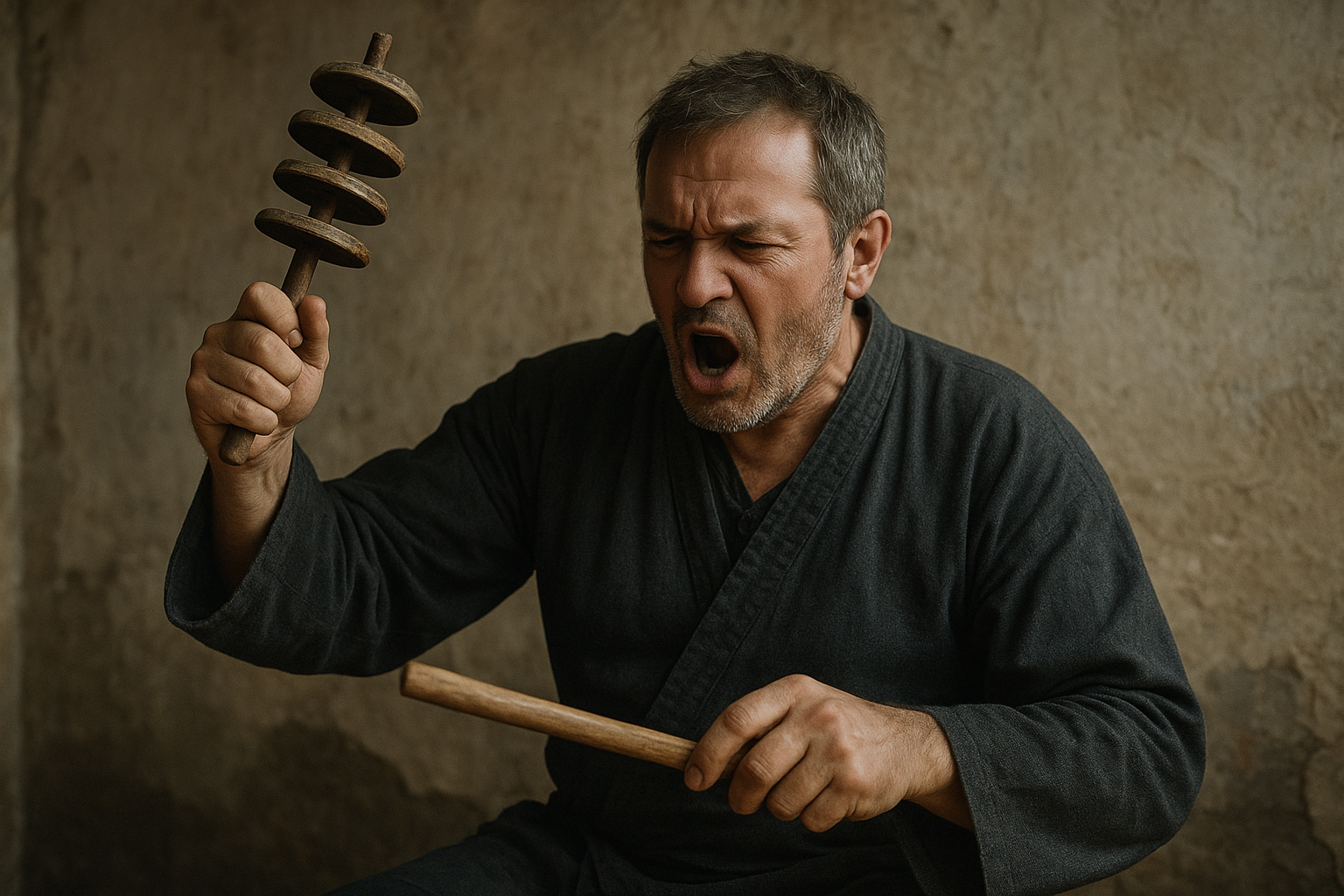
    The Rattle of Reform: Challenging Authority in Traditional Arts

    The world of traditional arts, deeply woven into the fabric of cultural heritage and identity, stands at a crossroads. Modern artists and critics are increasingly challenging established norms, paving the way for reform and innovation. This avant-garde movement seeks to honor the past while embracing the future, creating a new paradigm of artistic expression.

    Breaking Boundaries

    One primary catalyst behind these reforms is the desire to break free from the constraints that traditional practices impose. Many contemporary artists argue that rigidity in traditional arts stifles creativity. As noted by renowned ethnomusicologist Gillian Rapley, “The vitality of any art form lies in its ability to evolve while retaining its root essence.”(1) By questioning the authority of conventional methods, artists breathe new life into time-honored practices.

    A Clash of Generations

    The push for reform has also amplified a generational clash within communities. Younger artists often advocate for an inclusive approach, integrating diverse cultural influences and technological advancements into their work. This is sometimes met with resistance from older generations, who fear that change may lead to the erosion of cultural identity.

    “Our traditions are a beacon of identity; however, they must not become shackles that bind us,” says Michael Takeuchi, an innovator in traditional Japanese calligraphy.(2)

    Embracing Innovation

    • Technology: With the advent of digital media, artists incorporate modern tools and platforms to reinterpret traditional themes. Virtual reality, for instance, allows for immersive storytelling that traditional methods could not achieve.
    • Fusion of Forms: Artistic fusion, where different cultural art forms are blended, has become a popular method for challenging artistic authority. For example, Indo-fusion dance combines classical Indian dance styles with contemporary movements, offering a fresh perspective on performance art.

    A Respectful Dialogue

    While reformists seek to redefine boundaries, the need for a respectful dialogue between tradition and innovation remains crucial. The aim is not to undermine but to enrich and expand the potential of traditional arts. As Alicia Sun, a cultural historian, points out, “True reform happens not when we discard the past, but when we use it as a launchpad for new ideas.”(3) By engaging in this conversation, artists ensure that traditional arts remain relevant and vibrant.

    The rattle of reform is a testament to the enduring power of art as a dynamic force in society. As artists continue to challenge and reinterpret, the future looks promising for both conservation and innovation in the traditional arts.


    References:

    1. Gillian Rapley, Ethnomusicology Quarterly, “The Dynamics of Tradition,” www.ethnomusicologyquarterly.org/article/dynamics.
    2. Michael Takeuchi, Interview with the Contemporary Artists Network, “Redefining Calligraphy,” www.contemporaryartistsnetwork.org/interviews/takeuchi.
    3. Alicia Sun, “Cultural Heritage and Modernity,” Heritage Journal, www.heritagejournal.org/article/modernity.
  • The Ambient Canvas: Art Designed for Contemplation

    The Ambient Canvas: Art Designed for Contemplation

    In the whirl of today’s fast-paced world, ambient art is emerging as a haven of tranquility, inviting viewers to slow down and engage in mindful observation. This genre of art is designed not just for visual consumption but for introspective contemplation, encouraging a deeper connection between the observer and the universe.

    A New Dimension of Perception

    Ambient art blends elements of nature, light, sound, and space to create experiences that soothe and inspire. It is less about bold statements and more about the subtle interplay of elements that evoke emotion and thought.

    “Ambient art seeks to create an atmosphere, an environment where one can meditate and reflect,” says art critic James Parker in an interview with The Atlantic. “It’s like a gentle whisper amid the clamor of everyday life.”

    Artists Leading the Movement

    • Olafur Eliasson: Known for his installations that challenge perceptions of nature and reality, Eliasson’s work often uses ephemeral elements like light and water. His Weather Project at the Tate Modern is a prime example of art that engulfs the viewer in a new atmospheric reality.
    • James Turrell: Turrell’s work focuses on light and space, creating environments where viewers can lose themselves in the contemplation of color and form. His Skyspaces installations, for example, provoke a deep meditative state through their simplicity and elegance.
    • Yayoi Kusama: Famous for her infinite mirror rooms, Kusama creates immersive spaces where the boundaries between the self and the work blur, encouraging introspection and engagement with the infinite.

    The Impact on Mental Wellbeing

    Ambient art offers not only aesthetic pleasure but also therapeutic benefits. The study of “slow art” shows it can help reduce stress and promote mindfulness. According to a report in Psychology Today, “Engaging with art in a meaningful way can lead to a state similar to meditation, reducing anxiety and promoting a sense of wellbeing.”

    An Invitation to Pause

    In a society that values speed and immediate results, ambient art stands out as a gentle reminder of the beauty in taking a moment to pause, reflect, and simply be. It does not demand comprehension or critique; instead, it offers an open invitation for personal exploration and discovery. As art continues to evolve, ambient art proves the enduring power of stillness in the cacophony of modern life.

  • The Deconstructed Deity: Modern Interpretations of Divine Figures

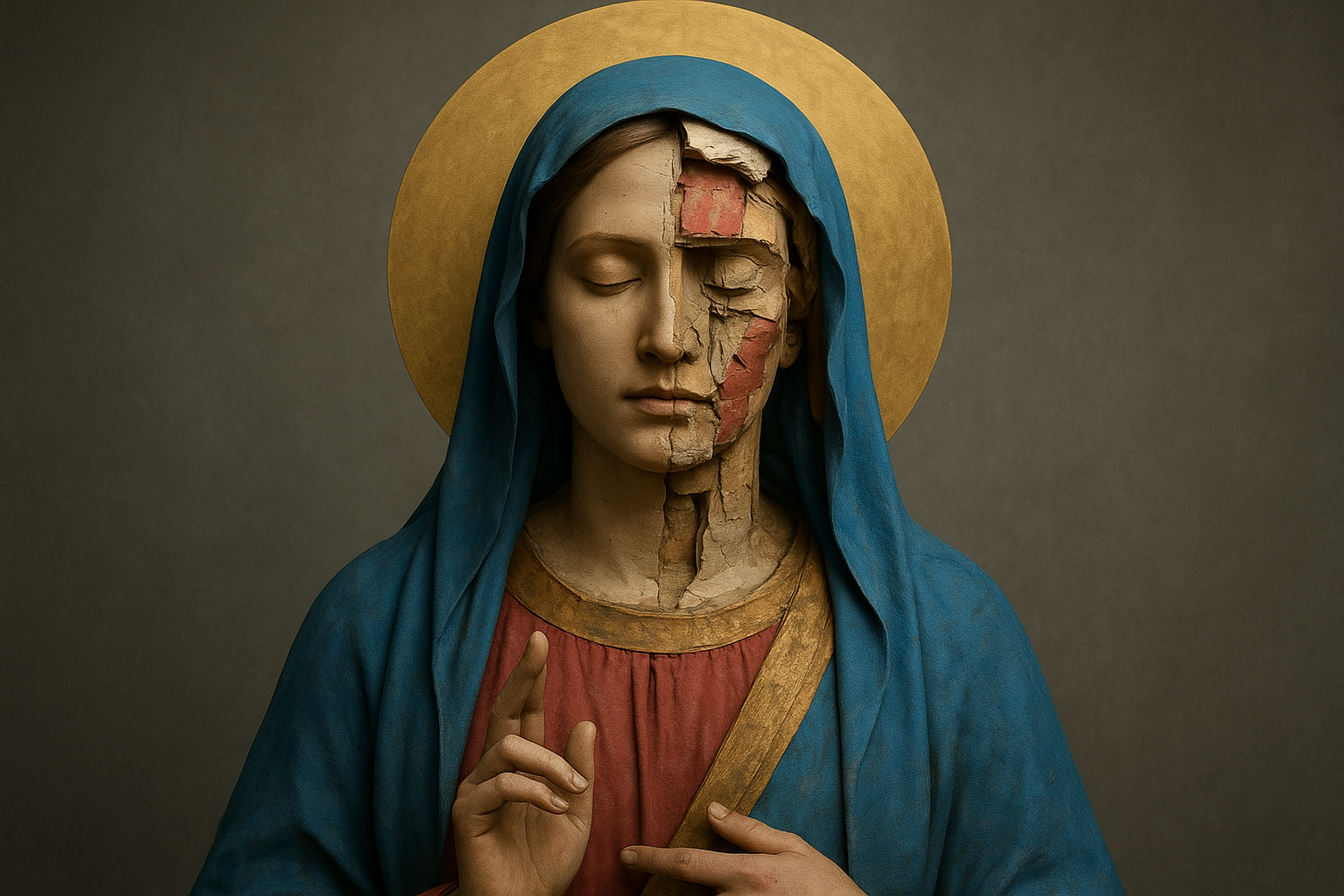
    The Deconstructed Deity: Modern Interpretations of Divine Figures

    The Deconstructed Deity: Modern Interpretations of Divine Figures

    The Deconstructed Deity: Modern Interpretations of Divine Figures

    Throughout history, the concept of divine figures has been central to cultures and religions worldwide. From Zeus and Odin to Jesus and Vishnu, these figures have shaped moral values, social structures, and even political systems. However, as society evolves, so do interpretations of these divine beings. In an increasingly secular and pluralistic world, traditional views on divinity are being re-examined, reimagined, and sometimes completely deconstructed.

    The Deconstruction Movement

    The deconstruction of deity concepts in modern times often stems from philosophical, sociological, and literary critiques. Influential philosophers such as Friedrich Nietzsche challenged the traditional narratives. Nietzsche’s famous declaration, “God is dead,” was a reflection on the diminishing power of religious structures in the age of enlightenment and scientific understanding.

    “God is dead. God remains dead. And we have killed him. Yet his shadow still looms.” — Friedrich Nietzsche

    Modern Literature and Film

    In literature and film, divine deconstruction has led to new storytelling paradigms. Authors such as Neil Gaiman have explored these themes deeply. In his novel American Gods, Gaiman presents a world where old gods struggle to survive in a modern world that venerates new ‘gods’ of media, technology, and consumerism.

    Similarly, films like The Matrix and Life of Pi explore religious symbolism and question the nature of reality and belief. These reinterpretations challenge viewers to reconsider the roles that divine figures play in modern society.

    The Rise of Humanism

    With the rise of humanism and secular philosophy, there is a growing trend of interpreting religious texts and divine entities through a metaphorical or allegorical lens. Humanism, which emphasizes human values and the potential to progress through reason and ethics, often encourages a view of divinity that focuses more on symbolic rather than literal interpretations.

    For instance, many modern theologians consider biblical stories as moral lessons rather than historical accounts. This shift allows for flexibility in interpretation and application of religious teachings, aligning them more closely with contemporary values.

    Multicultural Integration and Syncretism

    As global populations blend, so do their religious beliefs. The concept of syncretism, where elements of different religions are combined, highlights how divine figures are continually being reinterpreted. In regions of Africa and Latin America, for example, indigenous religious practices often intertwine with Christianity, creating unique interpretations of divinity.

    This cultural amalgamation leads to a richer tapestry of belief systems where divine figures are not bound by a single tradition but are instead viewed in a broader, more inclusive context.

    The Role of Technology

    The internet and social media have become platforms for religious discourse and debate, providing spaces for traditional and modern interpretations to coexist and compete. Online platforms allow for the discussion and dissemination of diverse perspectives on divinity, making the conversation more dynamic than ever before.

    • Virtual communities offer alternative religious experiences.
    • Influencers and digital creators reinterpret religious content for contemporary audiences.
    • Websites and forums provide platforms for theological debate and exploration.

    Conclusion

    As humanity progresses, so will its interpretation of the divine. Whether through philosophical exploration, artistic expression, or cultural integration, modern interpretations of divine figures continue to evolve. These interpretations are not simply deconstructions but are also opportunities to construct new meanings and understandings of the divine.

    The journey from ancient gods to modern interpretations is ongoing, with each generation redefining divinity in ways that resonate with their experiences, challenges, and aspirations. Indeed, the evolving narrative of divine figures is a testament to the ever-changing landscape of human belief and the unyielding quest for understanding.

  • The Visual Voice: Finding Identity Through the Camera

    The Visual Voice: Finding Identity Through the Camera

    In our rapidly evolving world, where the clamor of social media often drowns out profound self-reflection, the camera emerges as a powerful tool for personal discovery. It serves not just as an instrument for capturing images, but as a conduit for self-expression and identity formation.

    The Camera as a Mirror

    For decades, artists and photographers have explored the idea of the camera as a mirror to the soul. The act of taking a photograph becomes a dialogue between the photographer and their inner self. As legendary photographer Richard Avedon once said, “My portraits are more about me than they are about the people I photograph.” This sentiment reflects the intimate relationship between the creator and their subject, often revealing more about the photographer’s world view than the subject itself.

    Narratives Through Lenses

    Photography provides a platform for individuals to tell their unique stories. This is especially true for marginalized communities whose voices are often underrepresented in mainstream media. By wielding a camera, these individuals can take control of their narrative, presenting their truth unfiltered.

    • Documenting Cultural Identity: Photographers like Alec Soth have long used photography to explore what it means to belong to a certain cultural or geographic identity. Through his work, Soth portrays varied aspects of life in America, exposing both the beauty and the idiosyncrasies of its diverse cultures.
    • Amplifying Marginalized Voices: Renowned street photographer Yann Arthus-Bertrand has utilized his work to shed light on environmental issues and human rights, amplifying voices that are often silenced. His iconic series “Earth from Above” showcases breathtaking images that reflect on global challenges, inviting viewers to ponder their own role within these narratives.

    Selfies and Self-Perception

    In the age of smartphone cameras, the “selfie” has become a significant cultural phenomenon. Some may dismiss it as mere narcissism, yet it can be a powerful means of exploring self-perception and projecting identity. The ability to capture and curate a digital self has transformed how individuals express who they are and how they wish to be perceived.

    “The selfie is an impression of a visual self-empowerment and self-expression, where one controls the narrative of one’s own image.” – Elite Daily

    Photography as Therapy

    The therapeutic potential of photography is well documented. It offers a creative outlet for those dealing with trauma or mental health issues, allowing them to process emotions in a tangible form. Programs using photography for therapeutic purposes have emerged worldwide, supporting individuals in their journey to mental well-being.

    • Empowerment Through Creation: Initiatives like Photo Voice empower participants to tell their stories through images, fostering a sense of agency and self-worth. These projects underscore how creating art can lead to personal growth and healing.
    • Reflecting on Inner Landscapes: By externalizing internal experiences through photographs, individuals can gain new insights into their emotional landscapes. This externalization helps bridge the gap between one’s inner world and external reality, providing clarity and perspective.

    Challenges and Critiques

    While the camera is undoubtedly a potent tool for self-expression and exploration, it is not without its challenges and critiques. The advent of digital manipulation raises questions about the authenticity of images and their ability to truly represent one’s identity. Additionally, the saturation of images on social media can lead to superficial engagement rather than deep reflection.

    “The ubiquity of digital cameras and photo-editing software makes us all potential creators of synthetic images, blurring the line between truth and fabrication.”PetaPixel

    The Future of Identity Through the Lens

    As technology evolves, so too does the potential for photography to shape our understanding of self and identity. Emerging technologies like virtual and augmented reality promise to further integrate photography into our perception of reality, offering new ways to experience and create visual narratives.

    • Enhanced Storytelling: Virtual reality allows for immersive experiences, where viewers can engage with stories in a three-dimensional space. Photographers can use this to create dynamic narratives that transcend traditional two-dimensional photography.
    • Augmented Reality and New Perspectives: Augmented reality offers new ways to layer information and perspectives onto our physical world, potentially changing how we interact with and interpret visual media.

    Despite the challenges it faces, the camera remains a vital tool for finding and expressing identity. Its power lies within its ability to capture moments that resonate deeply with both the creator and the observer, fostering understanding and connection across diverse perspectives.

    Whether through creating intimate self-portraits, documenting cultural narratives, or exploring new technologies, the camera offers a platform for voices that might otherwise remain unheard. As we continue to evolve in a digital era, it remains crucial to harness the visual voice of the camera as a means to navigate and articulate the complexities of our identities.

    Photography, in its myriad forms, continues to challenge and redefine how identity is constructed and perceived in contemporary society.

  • The Choreography of Change: Dance and Societal Evolution

    The Choreography of Change: Dance and Societal Evolution

    Throughout history, dance has not only mirrored the cultural values of its time but also served as an agent of change, challenging norms and inspiring transformation. From the sacred rituals of ancient civilizations to the dynamic expressions found in contemporary urban landscapes, dance continues to be a potent force in shaping and reflecting societal evolution.

    Dance as a Reflection of Society

    Dance is deeply woven into the cultural fabric of societies worldwide. In many cultures, it plays a crucial role in ceremonies and rituals, encapsulating sacred stories and traditions. For instance, the Hula in Hawaii is not merely entertainment but a narrative dance that tells the stories of the land and people. Such dances preserve the cultural heritage and pass it down through generations.

    The Power of Dance in Social Movements

    More than just a reflection, dance has also been a catalyst for social change. In the 20th century, dance movements often intersected with broader social issues. The 1920s saw the emergence of the Charleston, a dance that broke free from the formal constraints of previous eras, symbolizing the new-found freedom and rebellion of the post-war generation.

    “The Charleston really did epitomize the wild and carefree exuberance of the Roaring Twenties,” says historian John Smith.

    Moreover, the Civil Rights Movement in the United States saw dance emerge as a form of protest and expression. Choreographers like Alvin Ailey created works that challenged racial barriers and conveyed powerful messages about equality and inclusion. Ailey’s Revelations, a masterpiece deeply rooted in his African-American heritage, continues to resonate globally, emphasizing the enduring struggle for civil rights.

    Contemporary Dance and Cultural Dialogue

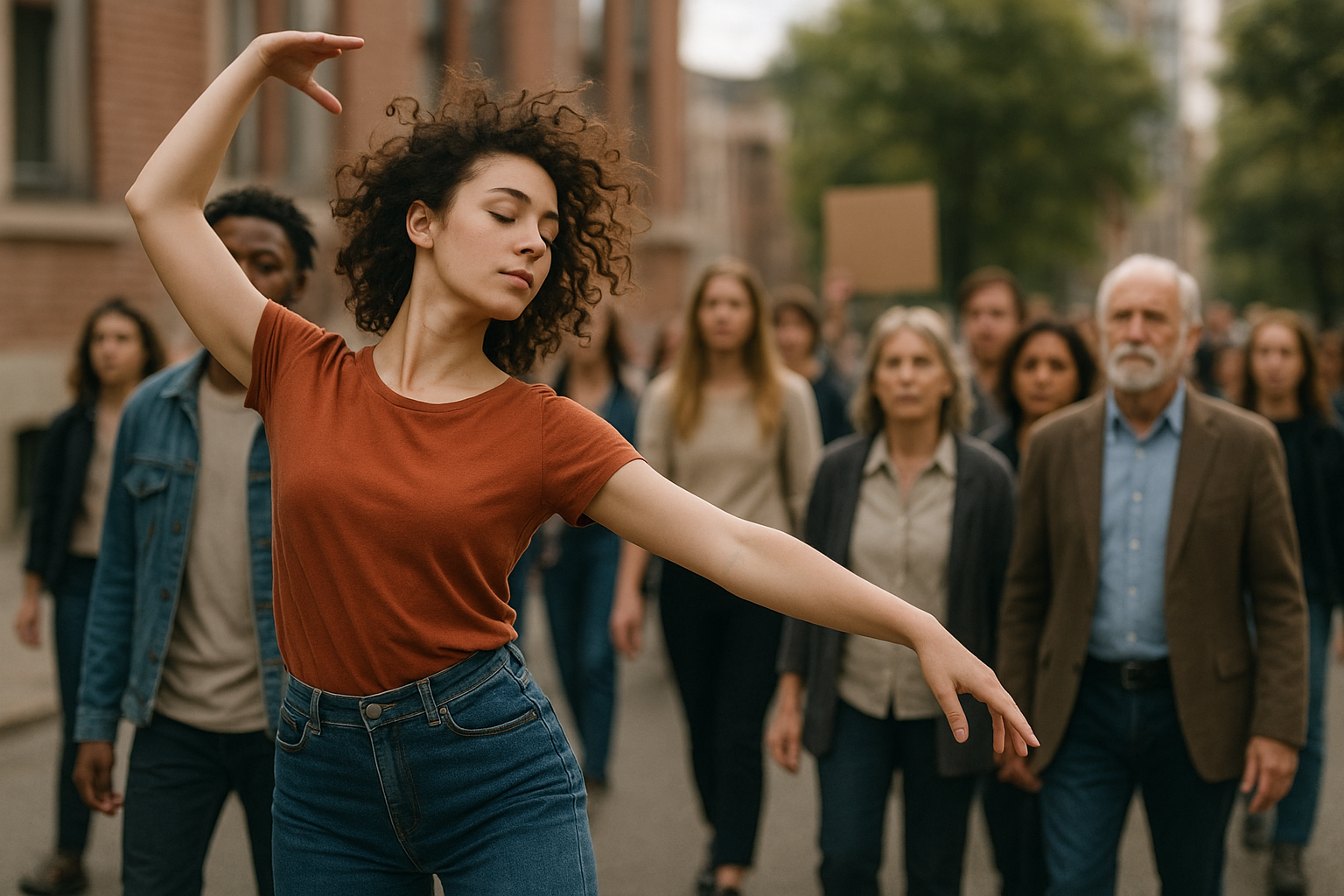
    In today’s globalized world, dance has become a medium for cross-cultural dialogue and exchange. Contemporary dance forms like hip-hop transcend borders, fostering understanding among diverse groups. In cities such as New York and Los Angeles, flash mobs and spontaneous public performances engage communities, create connections, and sometimes even spark discussions on pertinent social issues.

    With the rise of digital platforms, dance has gained new momentum, reaching wider audiences and influencing cultural trends. This digital age offers a unique opportunity for dance to continue its role in societal evolution, challenging perceptions and promoting unity.

    Conclusion

    The interaction between dance and society illustrates a compelling choreography of change—a dynamic interplay that reflects and influences the spirit of the times. As long as people continue to move in harmony with rhythm and purpose, dance will remain a vital force in the evolution of human societies.

  • The Power of Perspective: Re-examining the Frame of Tradition

    The Power of Perspective: Re-examining the Frame of Tradition

    Tradition is a cornerstone of culture and identity, offering a comforting familiarity and a sense of continuity across generations. It serves as an anchor in the sea of rapid societal changes. However, as society evolves, it becomes crucial to re-examine these traditions through a modern lens to ensure they continue to serve the greater good.

    Re-evaluating traditions is not about dismissing the past but rather enhancing our understanding of its relevance in today’s world. As the philosopher Friedrich Nietzsche once opined, “The snake which cannot cast its skin has to die. As well the minds which are prevented from changing their opinions; they cease to be mind.” This idea encourages us to shed outdated practices while embracing the valuable core that traditions uphold.

    The Importance of Adaptation

    Adaptation is vital in ensuring that traditions serve the present and future in meaningful ways. Consider the evolution of family values. While the traditional family structure is undergoing changes, the essence of family—support, love, and unity—remains constant. This shift is reflected in modern media, such as the 2017 animated film Coco, which celebrates the Mexican tradition of Dia de los Muertos. The film highlights family bonds while engaging with contemporary themes about self-identity and personal aspiration.

    Cultural Perspectives and Growth

    Viewing traditions through different cultural perspectives can provide the clarity needed for growth and transformation. A compelling example is the recent rise of interest in indigenous practices and perspectives, as seen in the works of author Robin Wall Kimmerer. In her book Braiding Sweetgrass, Kimmerer integrates indigenous wisdom with scientific knowledge, promoting a harmonious relationship with the environment.

    “We are all bound by a covenant of reciprocity: plant breath for animal breath, winter and summer, predator and prey, grass and fire, night and day, living and dying.”

    Conclusion

    Re-examining tradition does not imply resistance to cultural heritage but, rather, an evolution of understanding. It is about ensuring cultural practices grow with the society they shape. By doing so, we maintain a dynamic relationship with our traditions, acknowledging both where we come from and where we’re heading.

    In summary, tradition, when re-evaluated with an open perspective, can be a powerful force that upholds the values we cherish while encouraging progress. It is through this balance of reverence and innovation that we can continue to find value and purpose in the traditions of our ancestors.